Every city has its own abundance of unsolved mysteries. The lost villages of Mississauga are no exception. As has already been demonstrated with other lost villages such as the Catholic Swamp, not every “lost village” was ever truly in essence a village. Mention Clogheneagh to most residents of Mississauga, and chances are that few have ever heard of the lost village that for the most part never was. Clogheneagh and its story truly form a lost village of Mississauga in every consideration of the term, for of Mississauga’s villages, it is perhaps the one that the least is known about. Lost or not, it is apparent that no other lost village holds the heroic story that Clogheneagh is privy to.
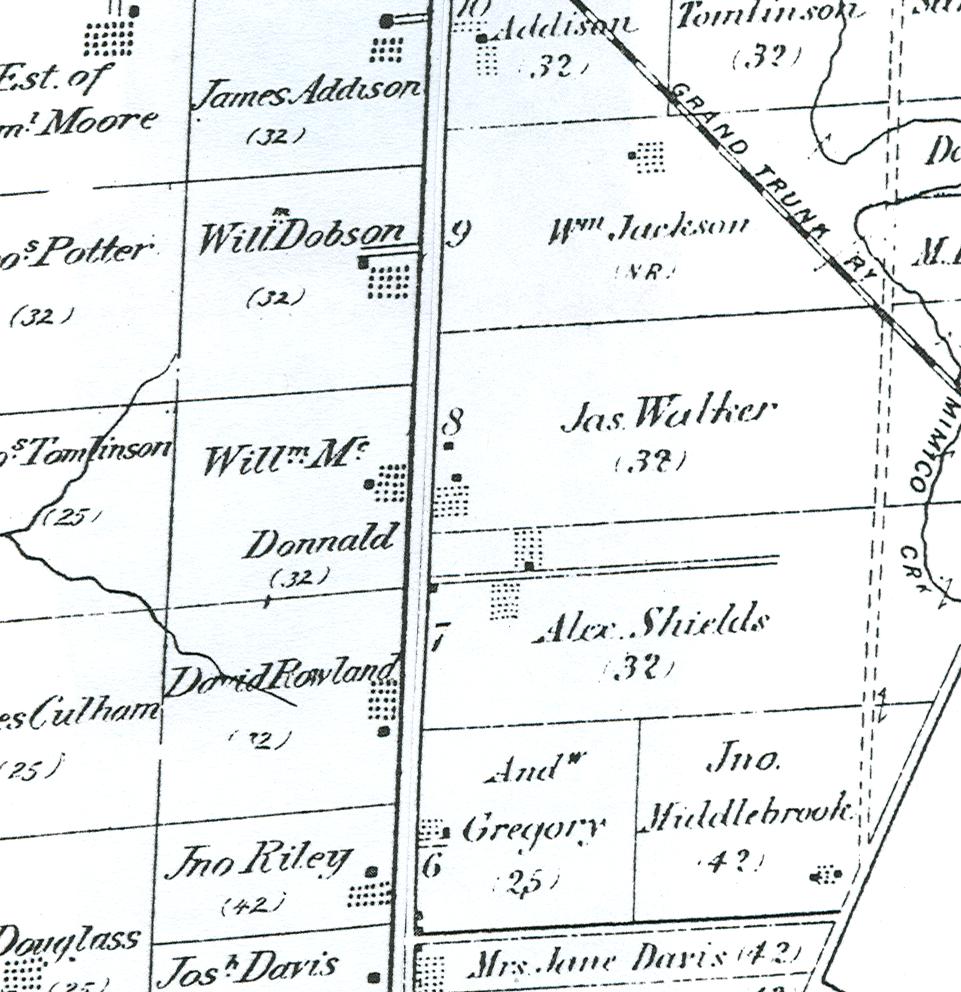
Unlike most other lost villages of Mississauga, Clogheneagh does not hold the historic landmarks, such as old one-room schoolhouses or small churches. Without even concrete information about where it actually stood, it is believed to now be no more than a parking lot on the property of Pearson International Airport along Airport Road. Yet during it’s early years beginning in 1828 when Colonel Connell Baldwin used 400 of his 800 acres of land granted to him for his military service to buy lot 9, concession 7 S.D. in the Gore of Toronto, it was said about Clogheneagh that “there has been no other equally ambitious establishment in the Gore of Toronto”. Given this description, what happened? How is so little known about Clogheneagh, and why is it now no more than a concrete paradise?
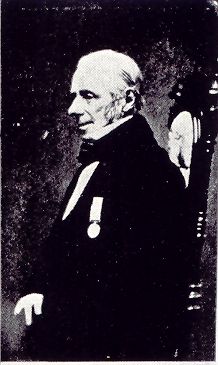
Of the man that founded Clogheneagh, Colonel Connell Baldwin it has been said that “few more gallant gentlemen graced the colonial stage”, yet like his “village” he is a man that little is actually known about. It is known however, that he landed at Halifax in 1828 as a seasoned veteran from Ireland looking to Canada as the place that had to the offer the most promise of all areas of the New World. Of the 800 acres that he received from the Crown for his service, he asked for land in the Gore of Toronto however was informed that lots in the township were no longer grantable. After pressing his case Baldwin was allotted 400 acres with the remainder in Peterborough.
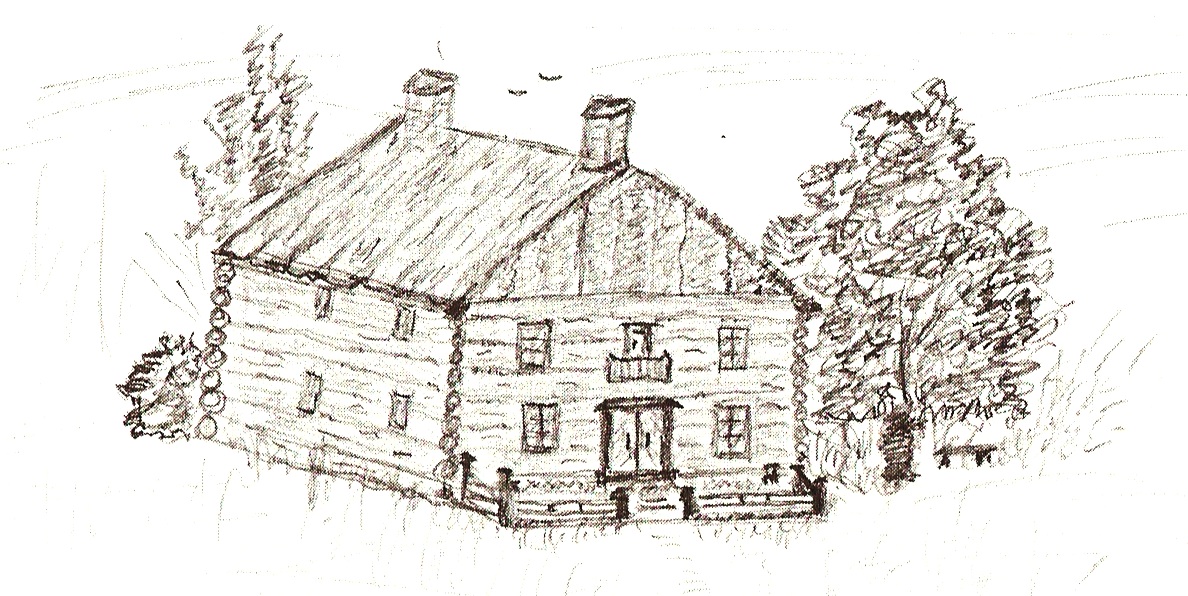
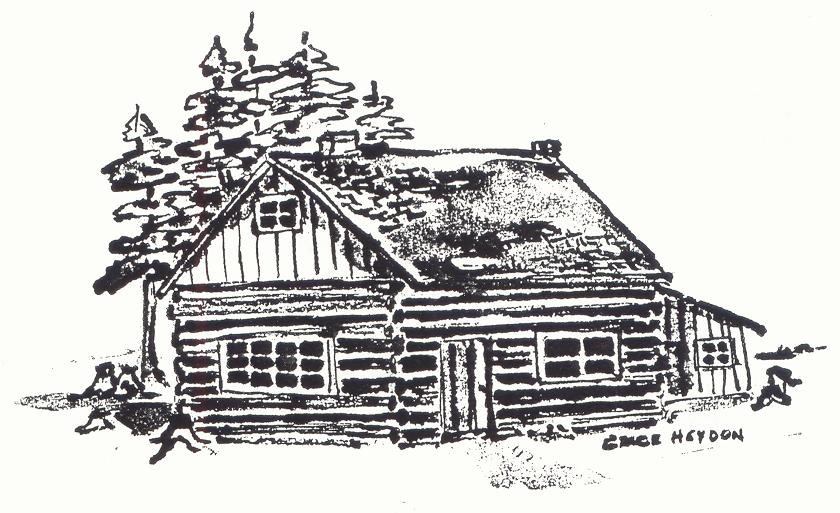
On lot 9 of concession 7 S.D. in the Gore of Toronto, Baldwin built an estate called Clogheneagh Lodge, named in honour of his Irish birthplace. The estate was built in the hopes of founding a community modeled on the lines of an Old Country Estate with Baldwin as the Lord of the Manor. Within the bounds of Clogheneagh Baldwin included a generous farming section, park land, a log Catholic Church later to serve as a mission including a cemetery, and a log schoolhouse to accommodate the children of the district. With the schoolhouse accommodating the neighbouring children, the church too accommodated the area with many well known priests and guests paying visits to the estate such as Bishop de Charbonnel, Bishop Power, Bishop Gaulin and Archbishop Lynch. Both the schoolhouse and church were known to all as St. James’s. Baldwin was truly forming the community that he strove for in the early years of Clogheneagh.
The Rebellion of 1837 however, changed the direction that Clogheneagh was headed in. Though honoured in ceremony for his leadership in putting down the rebellion, Baldwin was not compensated for his role and was left with nothing but his wounds pension and his non-productive estate. Retiring to his beloved Clogheneagh after the rebellion, Baldwin was forced to dismiss most of his staff and settled into a secluded existence at Clogheneagh with his wife and six children. Baldwin scaled back almost all of his activities at Clogheneagh, including closing the school that he had opened for the children of the area. Clogheneagh would never quite make it to the status of village after the rebellion.
Village or not, Clogheneagh’s story does not end at Baldwin’s losses. Instead, Clogheneagh was about to make it’s mark on history and save itself from ever truly being a “lost” village of Mississauga. In 1847 Baldwin accompanied his good friend, Bishop Power, to the water front of Toronto. What he encountered was the typhus/ship-fever epidemic spreading across the water-front over the course of that summer. Immigrants arriving on ships were bringing the deadly disease to Toronto. In response the city set up sheds by the waterfront and imposed a strict quarantine on the sick and dying who were overcrowding the area. The filth along with the suffering and despair aroused a humane and heroic sense of compassion in Baldwin. With no money to offer to help, Baldwin volunteered to turn his estate of Clogheneagh into an isolation hospital even though this meant bringing disease and death to his own door-step. Though a strict quarantine was enforced, authorities permitted Baldwin to take home a dozen immigrants who had not yet shown symptoms of the disease due to the impending numbers of new immigrants about to arrive on incoming vessels.
With his six children sent to stay with neighbours, Baldwin returned to Clogheneagh with the dozen immigrants. With the support of his wife and Catholic neighbours, Mr. and Mrs. Thomas Smyth, Clogheneagh was prepared with shelter, bedding and clothing. One by one the immigrants sickened and Clogheneagh became a hospital.
With no other visitors other than Father Eugene O’Reilly, Mrs. Baldwin and Mrs. Smyth prepared the bodies for burial, while Baldwin and Mr. Smyth made coffins for the cemetery under the trees by the chapel on the property. It is known that some of the original names of the buried on the land included the Haydens, Collinses and Doyles, yet the names of the typhus victims remain a mystery.
For the remainder of the summer the work went on with every corner of Clogheneagh filled with the sick and dying. Baldwin himself traveled back and forth to town in his lumber wagon, taking in the cured and bringing out new patients and supplies to the estate.
With the Bishop being one of the last victims to succumb to the fever, cooler weather prevailed over the epidemic by the end of the summer. The amount of courage found in the actions of Baldwin is rare however, and allowed Clogheneagh to remain on the map of the lost villages.
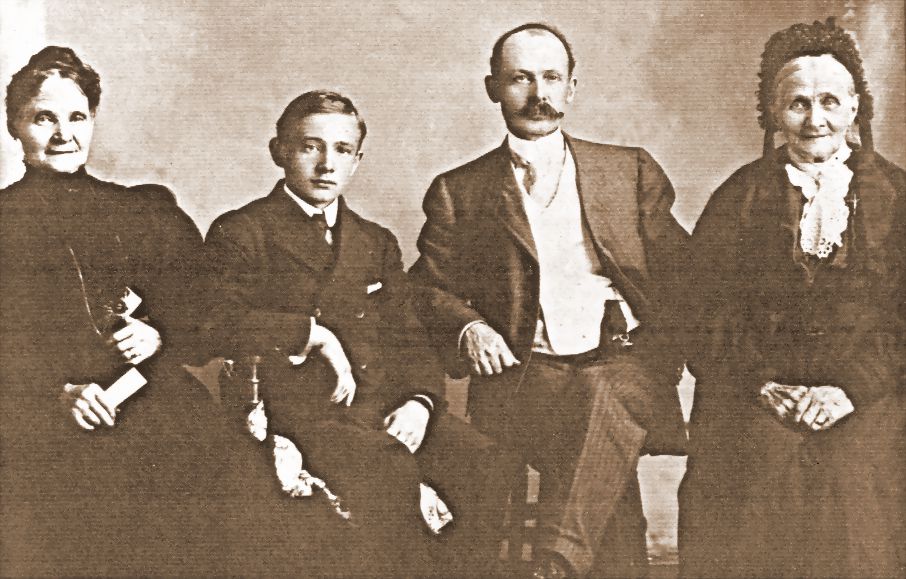
After his death from a heavy cold in 1861, Mrs. Baldwin was unable to maintain Clogheneagh due to the loss of her husbands pension (after a struggle by family and friends she was granted a small pension to compensate for her husbands losses during the Rebellion on 1837), and moved to Toronto where she passed away 16 years later. Baldwin’s only son died in Ireland from black fever not long after his own death and his daughters died as charity inmates in the House of Providence.
Nothing is known of Clogheneagh from this point on. Baldwin’s land was divided and settled, likely by William Jackson and Jas Walker. Nearby settlers also included the Heydon family. Though designed to fulfill the needs of the surrounding area, Clogheneagh never quite made it to the stage that the other lost villages of Mississauga did. Had it not been for its mark of heroism and humaneness the “village” truly would have been lost to Mississauga’s history.