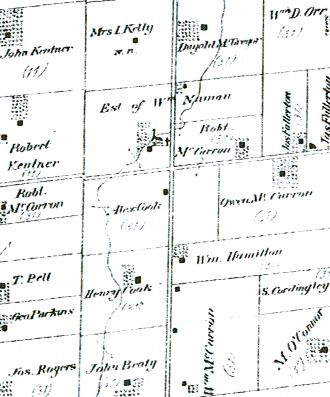
In our research into the lost villages of Mississauga, it is apparent that not every “lost community” was in essence a village. Some “communities” were loosely connected farming families, with daily life focused around a local rural church or school. The so-called “Catholic Swamp” was one such rural community in what is today Mississauga. The “Catholic Swamp” was originally part of Trafalgar Township in Halton County, roughly situated in the area along Ninth Line, around the intersection of Britannia Road. This area of Halton County was incorporated into Mississauga in 1974.
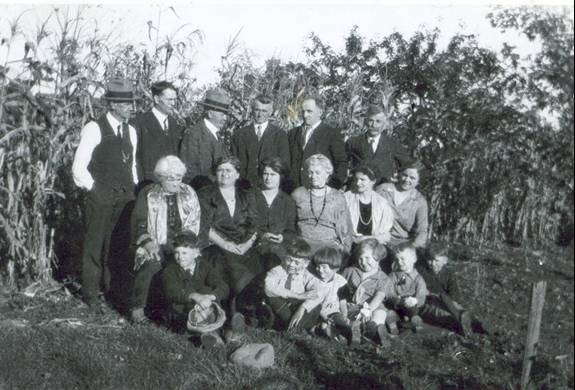
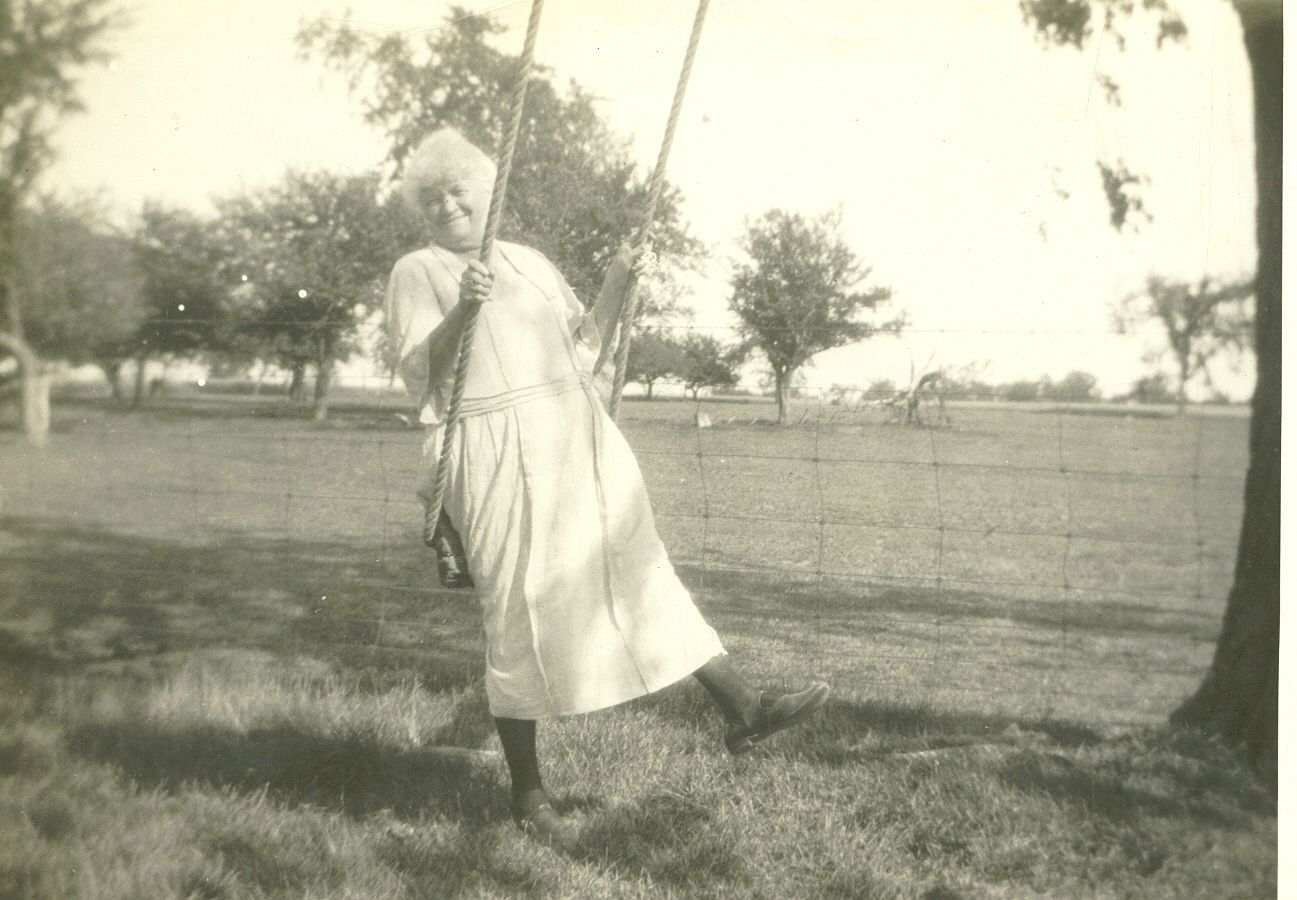
The “Catholic Swamp” was so named because of the concentration of Irish Catholic families who settled there in the 1820s and 1830s. Among these was the McCarron family, who settled in the vicinity around 1820. Stories recollect that the area was once covered with giant swamp oak trees. The trees were felled and dragged to the nearest sawmill in Hornby. The McCarrons, like many other early farming families, farmed what they could, beginning with wheat and moving to various forms of mixed farming. McCarron family memory today recounts the flooding of the fields in the winter and children “skating across the fields” of the “Catholic Swamp.” Memory also recollects traveling to school or the store at McCurdy’s Corners or to the social dances as Snider’s Corners, which have also both vanished.
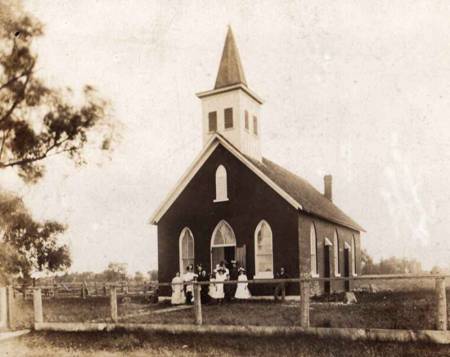
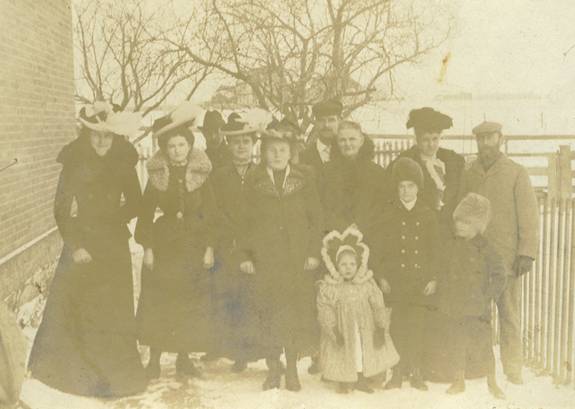
St. Peters Roman Catholic Church, c. 1900
Among the early settlers in the area was also the Nunan family. William Nunan emigrated from the Genesee Valley area of Pennsylvania as a United Empire Loyalist. Originally from County Cork, Ireland, the Nunans travelled to Upper Canada along with the Cook, Skelley and O’Donahue families. After arriving in Upper Canada in the late 1780s, William Nunan purchased a lot from Daniel Hyland (Highland) in 1854, at what is today the Northwest corner of Britannia Road and Ninth Line. The area soon attracted more Irish Catholic settlers, and it became known, perhaps sarcastically, as the “Catholic Swamp” due poor nature of soil and the propensity for flooding. The area was also dubbed, by some, as “Nunan’s Corners.” A descendant of the Nunan family remains on a portion of the original Hyland (Highland) farm which was purchased by the Nunan family in 1854. The original Nunan house, a log cabin believed to built around 1822, burnt in 1935.
The church and cemetery were erected upon land donated by Daniel Hyland (Highland), and became the focal point of daily life. The congregation itself was first organized circa 1819 by Bartholomew O’Connor and Charles O’Hara. The first mass was celebrated in O’Hara’s cabin by Father O’Reilly, and in 1823 a log chapel was built. This chapel was replaced by the frame church in 1850. The Nunan family became heavily involved in the congregation when they came to the area in 1854. This church, now bricked and relocated further back from Ninth Line, is the oldest surviving parish in the Hamilton diocese. Members of the McCarron and Nunan families, as well as many of other Irish Catholic settlers, can be found in the adjacent pioneer cemetery. Some of the family names associated with this area include Carney, Cordingly, May, Mason, McCarron, McGregor, Miller, Nunan, O’Connor and Orr.
Some tidbits remain from the “Catholic Swamp” to remind us of its pioneer roots. The old church, for the moment sitting unused, reminds of us the establishment of this pioneer crossroads and the farming families who once gathered to celebrate mass. The quiet graveyard remains as testimony for those who worked so hard on what was once literally, physically and socially the “periphery” of two townships. Scattered along Ninth Line remain a few relics of the not so distant rural past. In the midst of modern subdivisions, scant memories remain. Please help us to collect pictures and stories of this area and these families to help preserve the memory of this fading rural community.