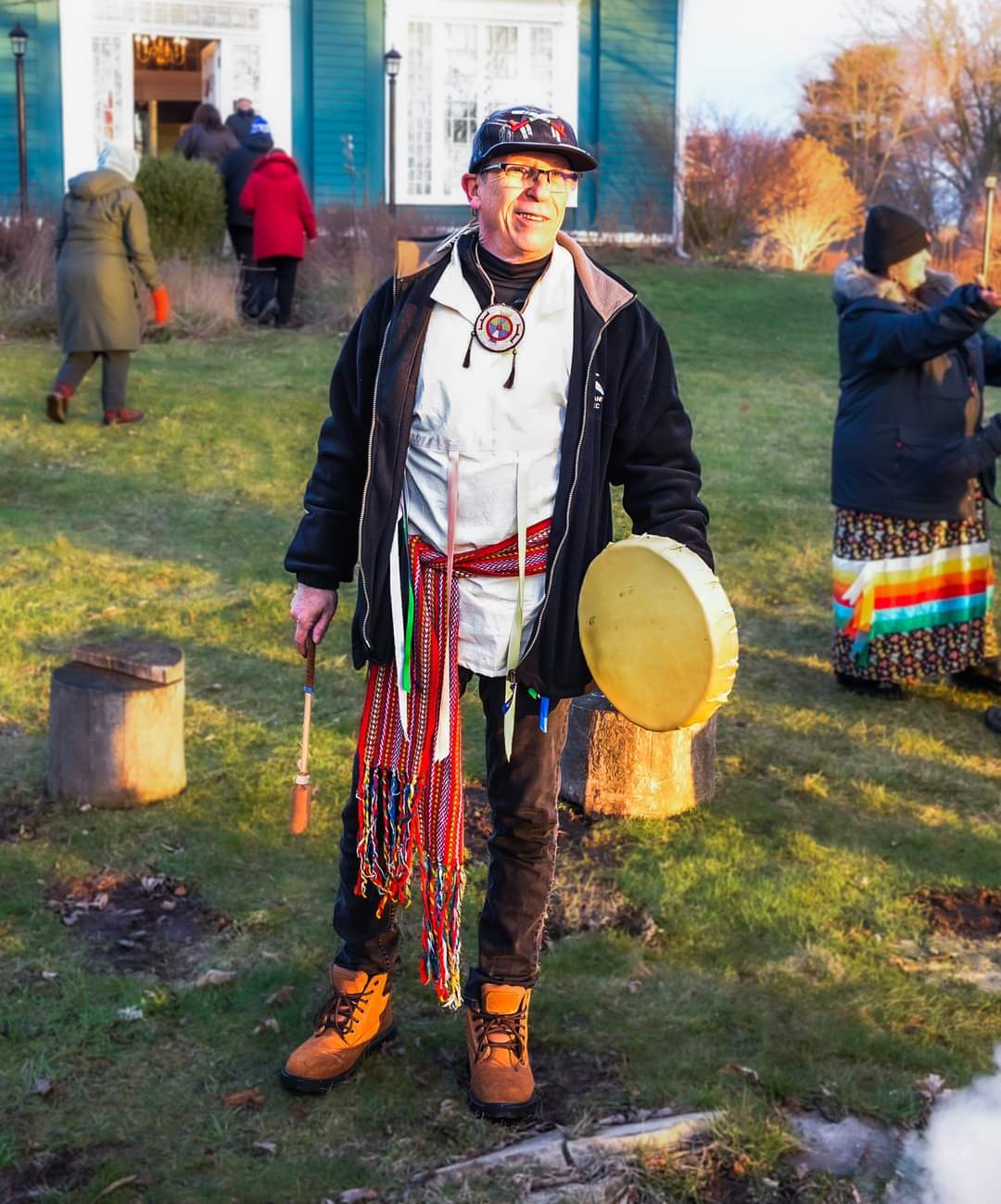
Clayton Cadeau
Clayton Cadeau often says that ceremony begins before anything visible happens. Before the fire is lit. Before people gather. Before words are spoken. It begins with an open heart.
Read his story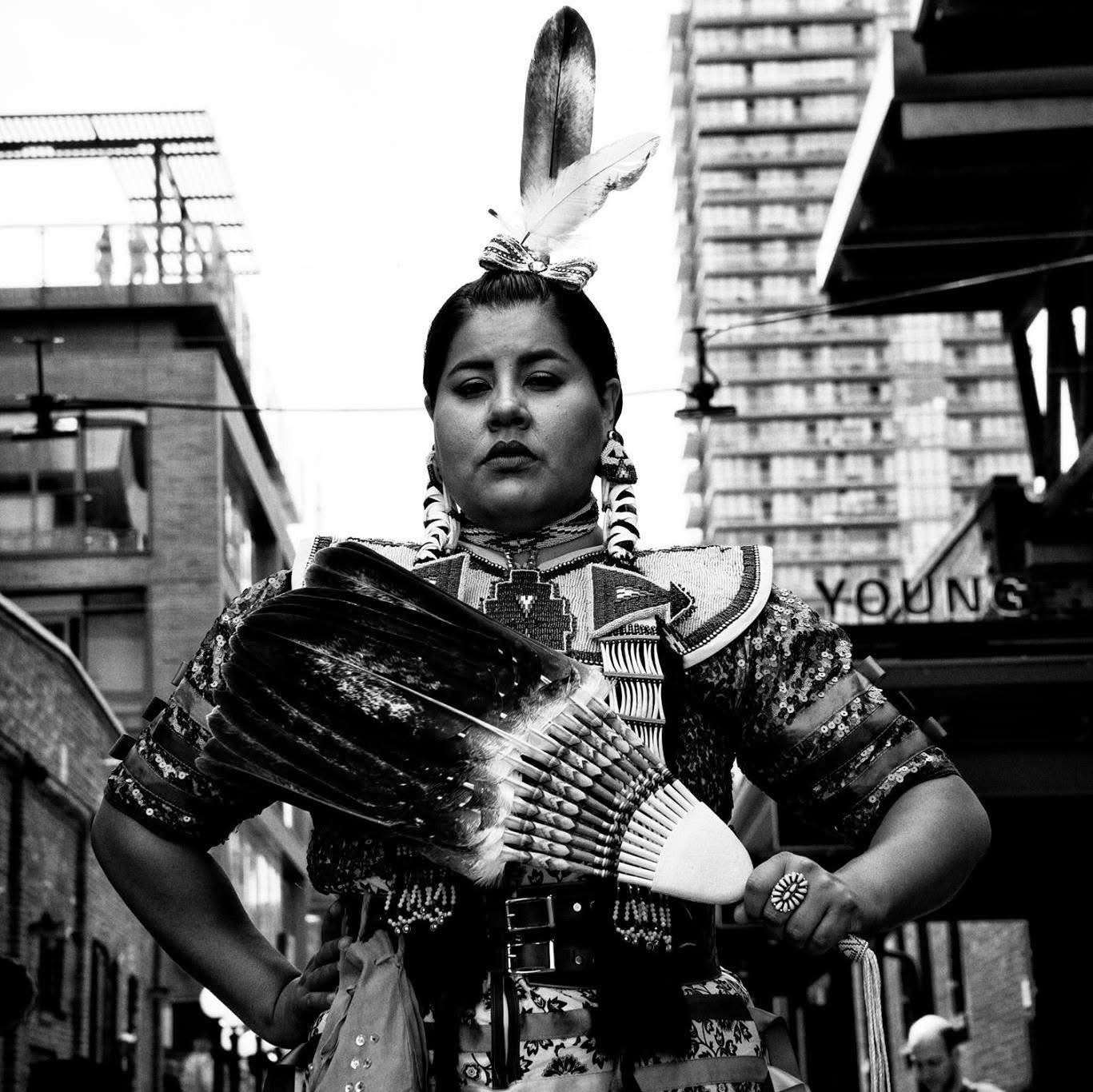
Tee Copenace
There is a feeling that comes from growing up on the land. You do not always know how to name it when you are young. You just know when it is gone. For Tee Copenace, that feeling begins in Treaty 3 Territory.
Read her story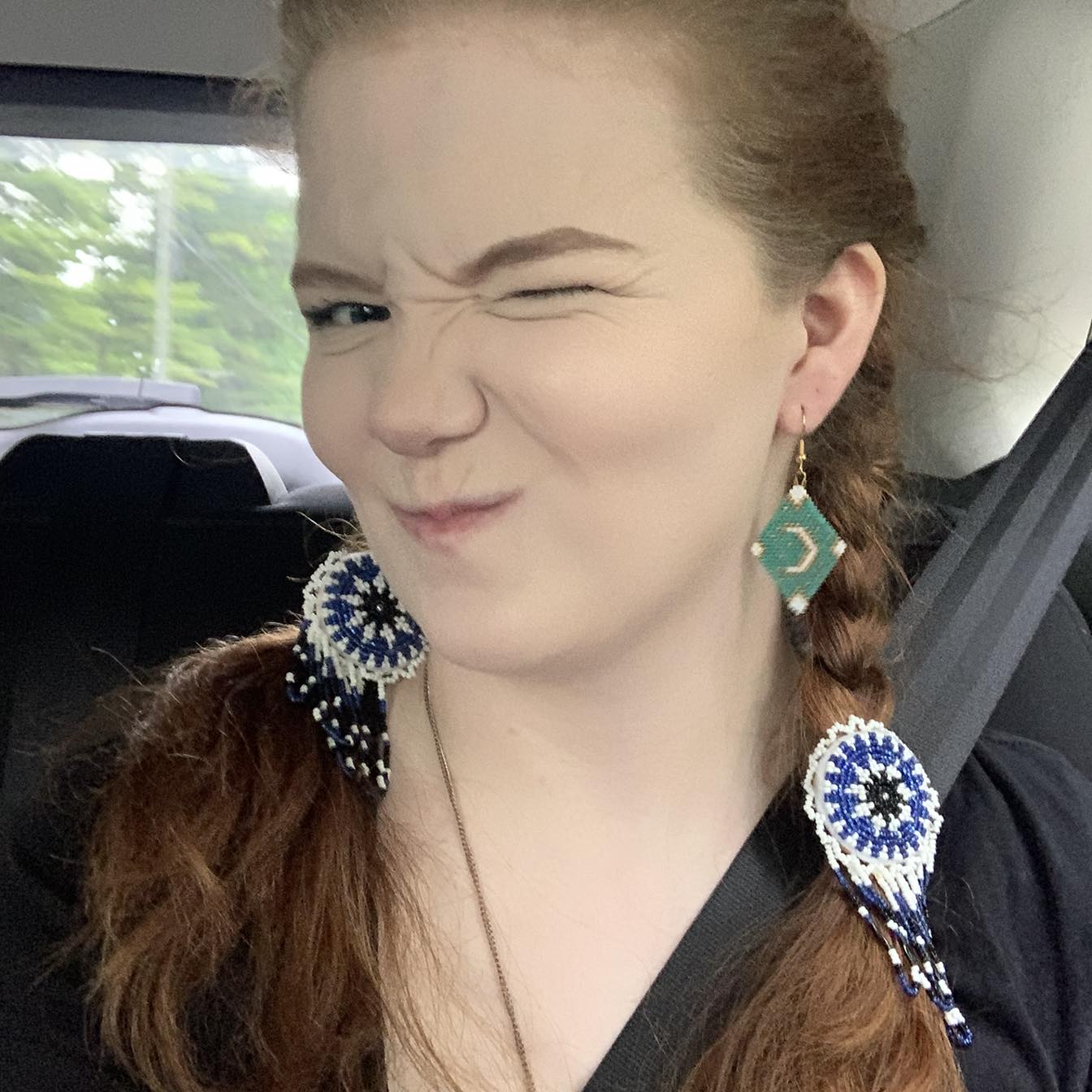
Taysia LaForme
For Taysia LaForme, history is not something that sits quietly in the past. It is active, unfinished, and carries responsibility.
Read her story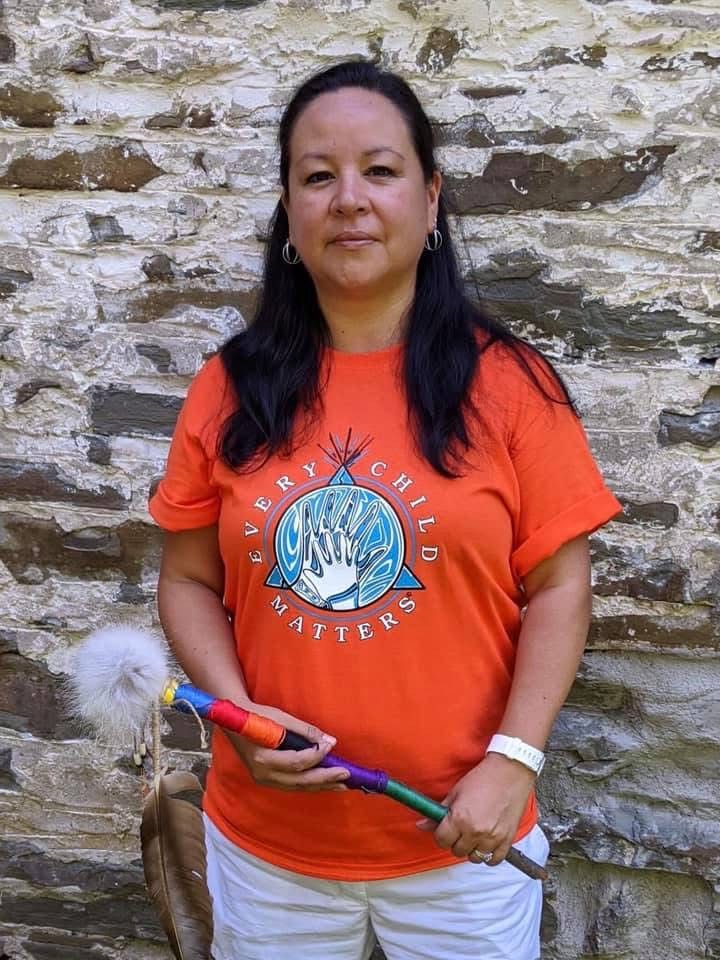
Lori Ouimette
Lori Ouimette grew up on Seneca Avenue in Port Credit, walking to school past streets named Cayuga and Mohawk. As a child, she noticed the Indigenous names without fully understanding them. They suggested a presence she could feel but not yet place.
Read her story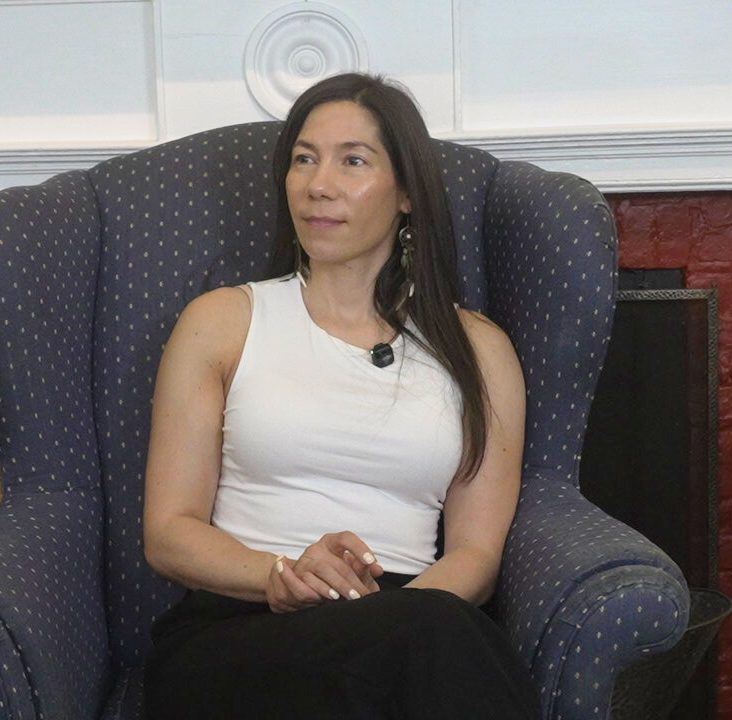
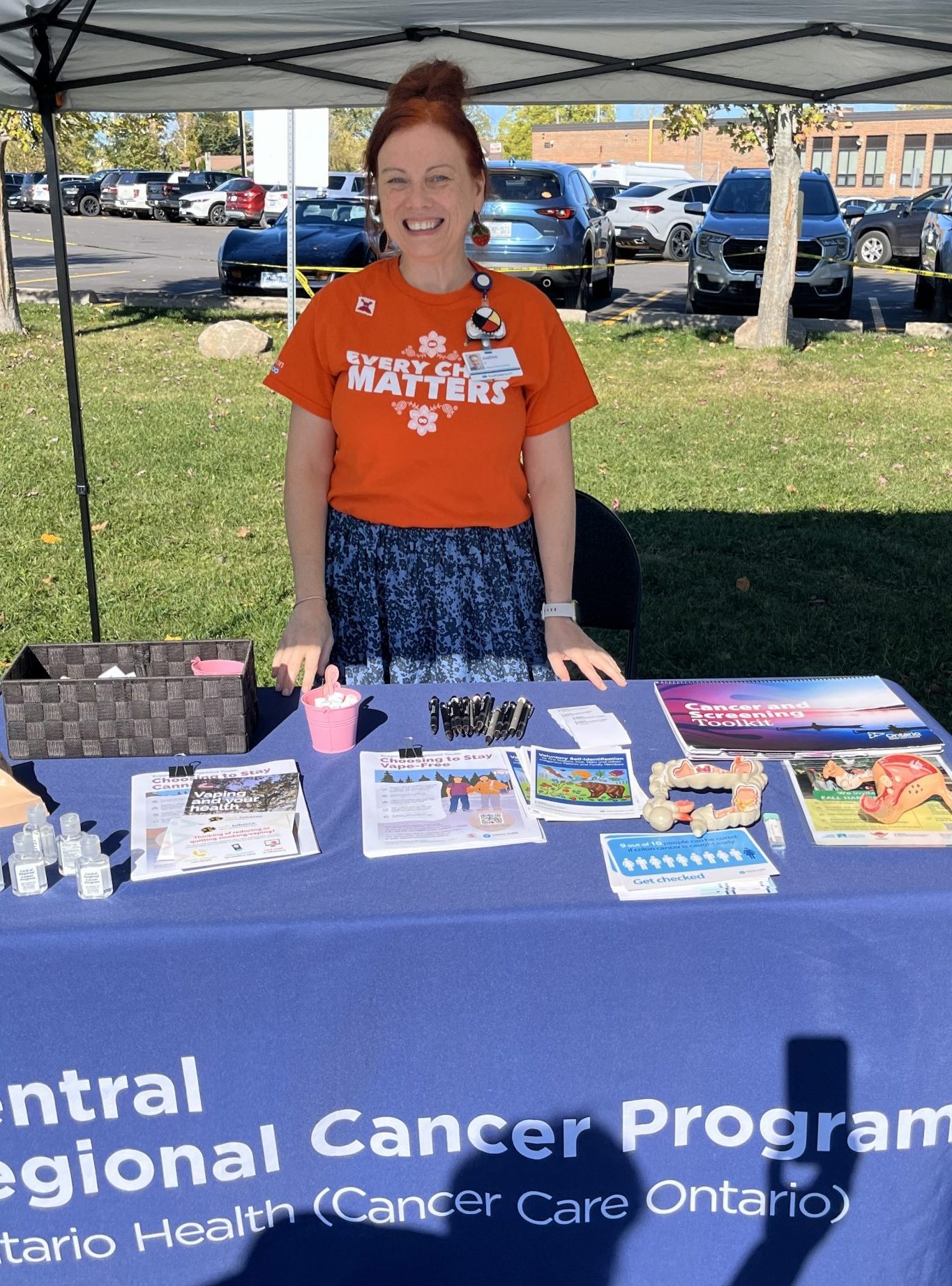
Justine Welburn
“My origin story is pretty long,” she says. “That’s probably the hardest question you could ask me.”
Read her story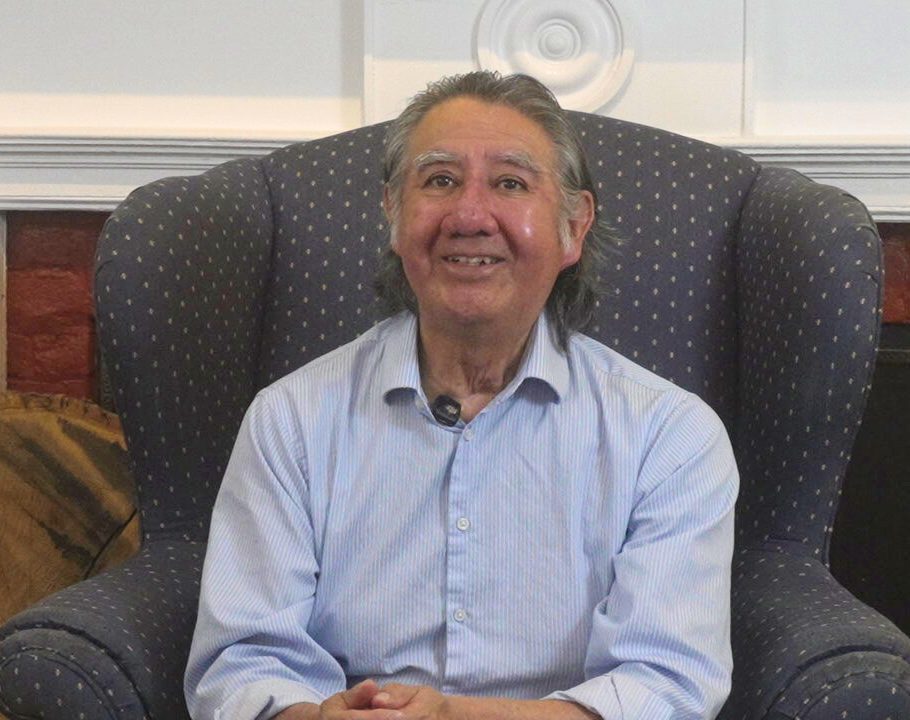
Emanuel Cruz San Pedro
Emanuel is a professor of agriculture, but he is also deeply passionate and knowledgeable about his Indigenous identity as a member of the Ngiwa people from the Mixteca Alta region of Oaxaca, Mexico.
Read his story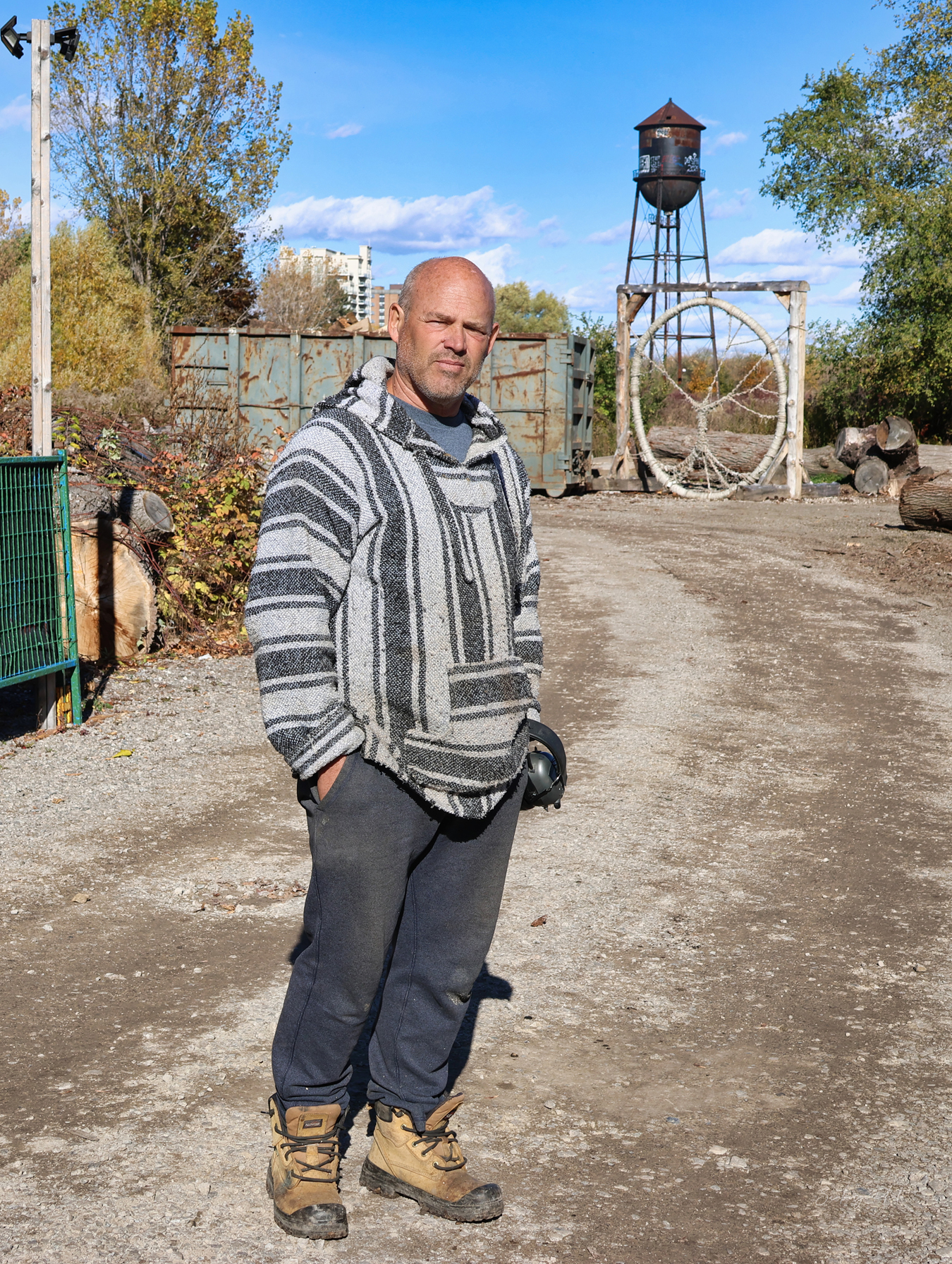
Sidney “Sawmill Sid” Gendron
“I was about forty-five when my dad finally sat me down,” Sidney says. “He told me I needed to know where I come from.”
Read his story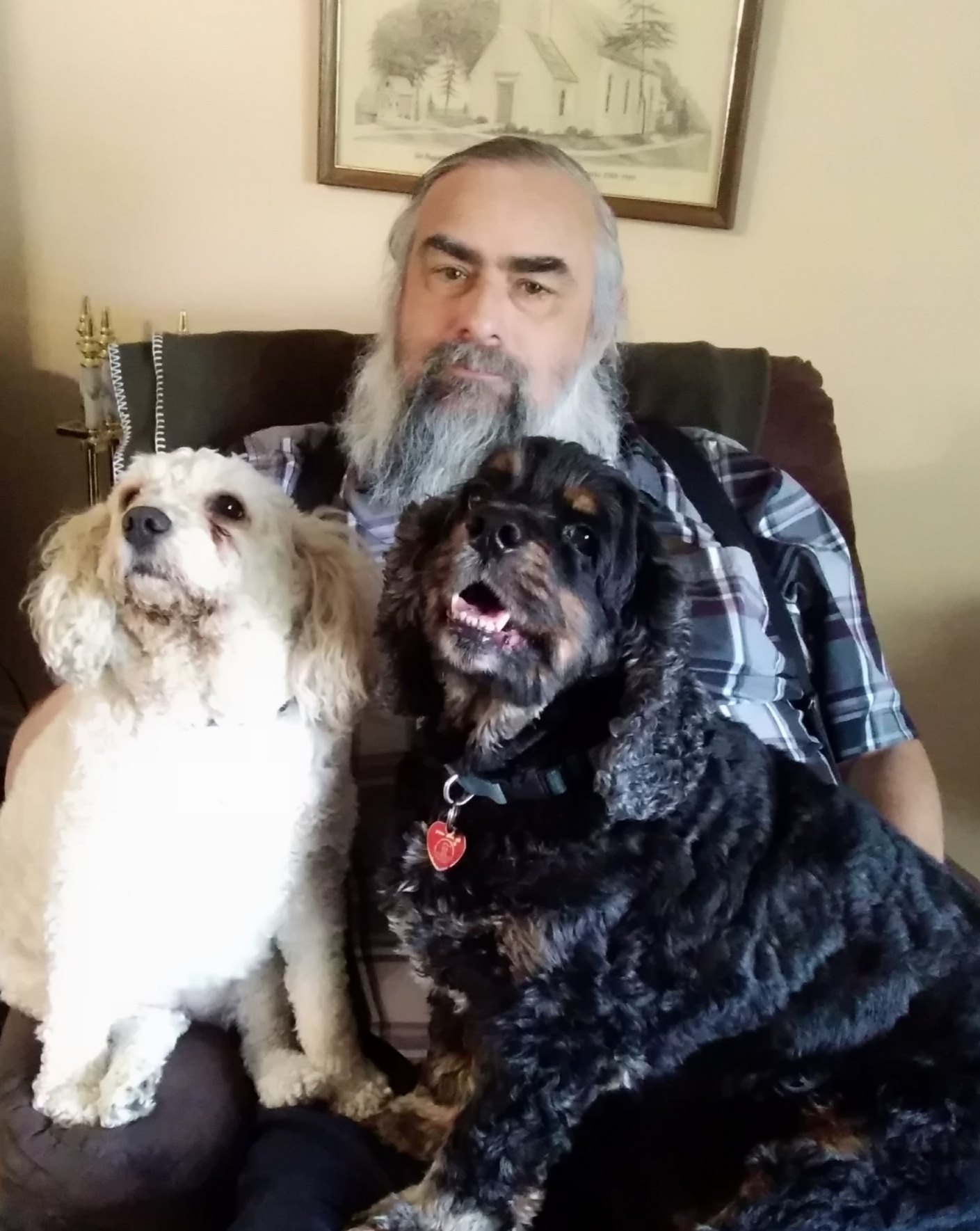
Darin Wybenga
Darin is the heritage interpreter for the Mississaugas of the Credit First Nation. History, for him, is not something distant. It is tied to land, memory, and responsibility.
Read his story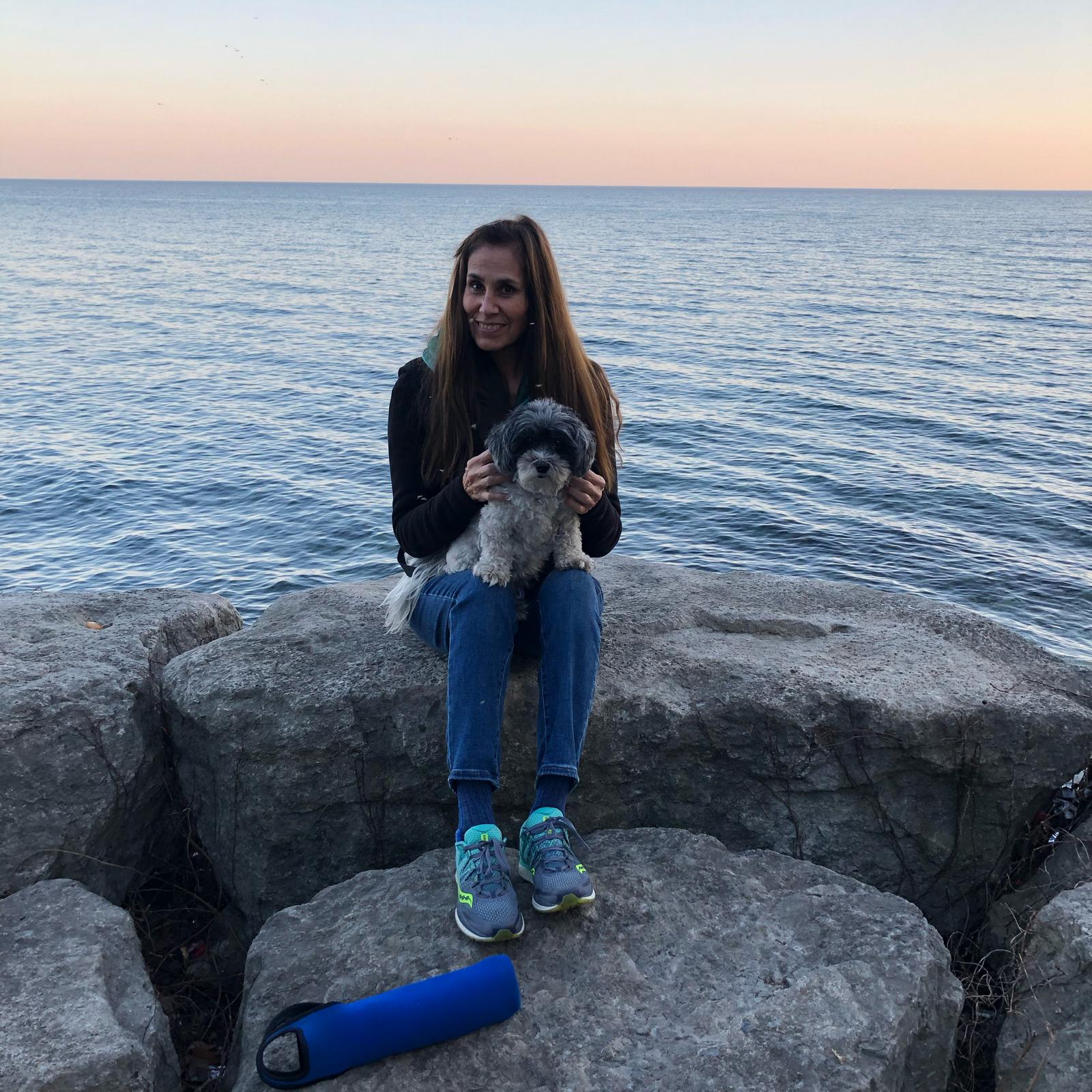
Lynn Taylor
Lynn has spent much of her life moving quietly. Watching. Paying attention. Making room for connection where it once felt absent.
Read her story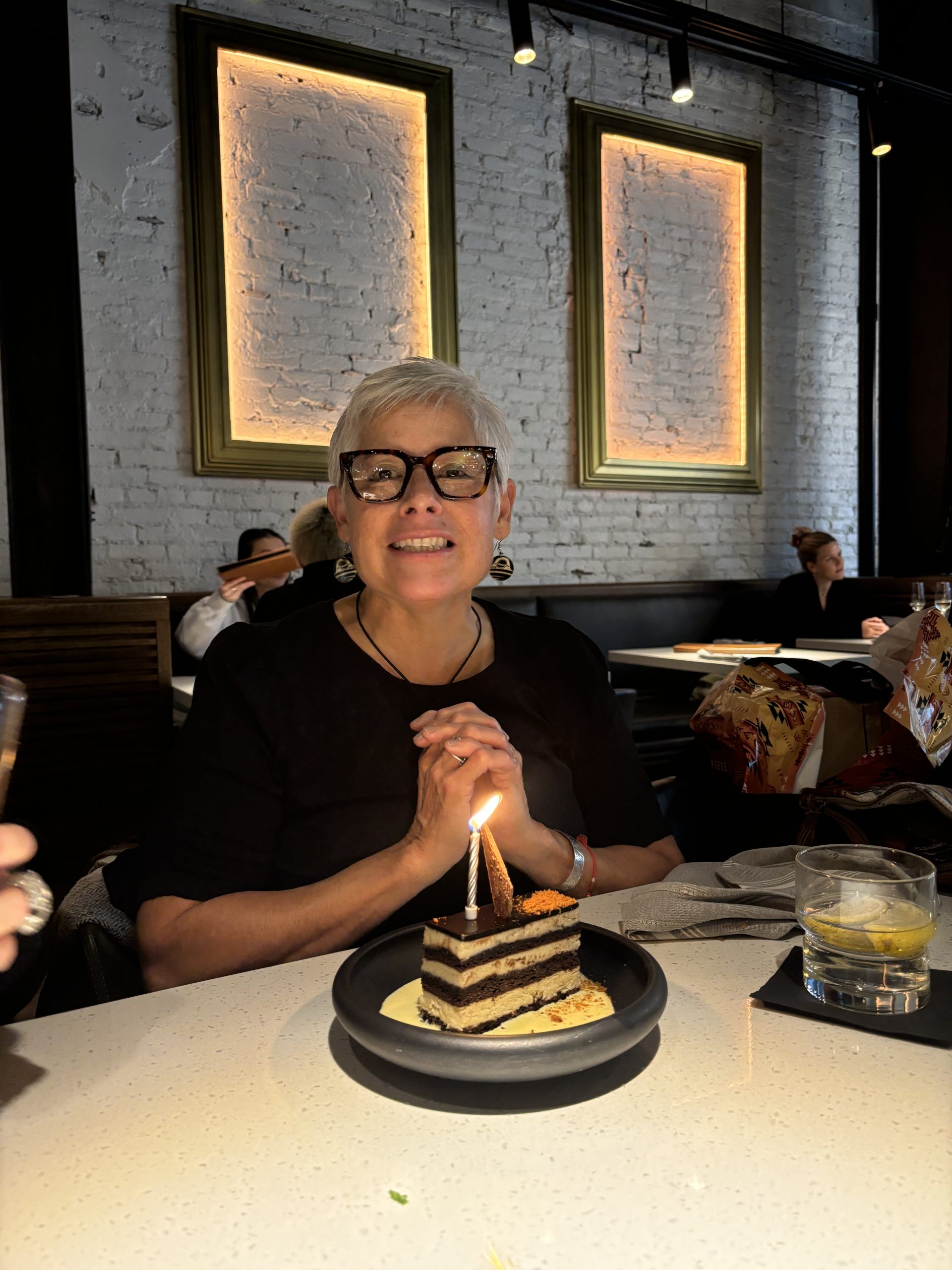
Paula Laing
“My English name is Paula. My Ogweho:weh name is Ahwenhneha — meaning she is knowing of the waters.” “I am Mohawk Nation, Turtle Clan on my mother’s side, and Scottish/Irish on my father’s side.”
Read her story