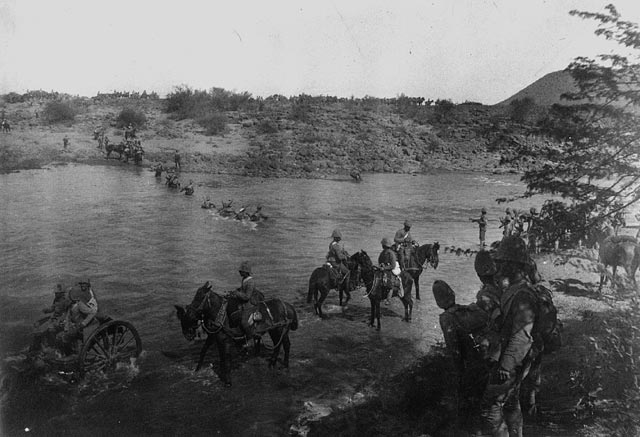
Around 8,372 Canadian soldiers would serve in the Boer war, with many others serving in British or other Imperial forces, before moving to Canada in their later life. The reception of the war amongst the Canadian public was mixed. The French and Irish population was generally opposed to the war, viewing it as an Imperialistic English fight against their fellow Christians. Others, primarily English-Canadians were in favour of the war, viewing it as their duty to the Empire, to spread British ideals and practices, and in some cases, their duty to bring freedom to the native population of South Africa, oppressed by the White Boers.
As a compromise between the two sides, Prime Minister Sir Wilfred Laurier agreed to send a battalion of Canadian volunteers. It would be the first time Canadian troops would be sent overseas. Over the course of the war, several contingents of Canadians would volunteer for service in South Africa. A number of Canadians would also serve in paramilitary and irregular British forces as well as on the home front. In total, around 7300 Canadian volunteers (including 12 female nurses) would go overseas to South Africa. 247 Canadians would die while serving in the war, mainly to injuries and diseases.
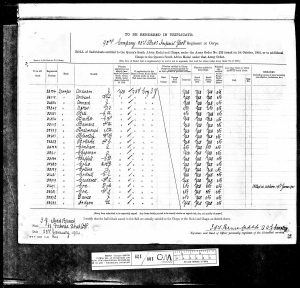
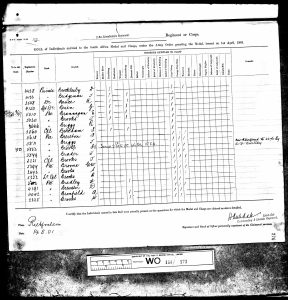
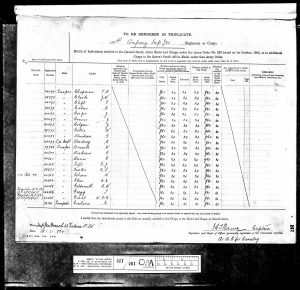
As a mark of their service, Imperial troops would receive the Queen’s South Africa Medal. Given to anyone who served in South Africa during the duration of the war, there were 26 clasps for the medal, denoting specific actions, locations or time frames in which they served. A total of 3,860 Queen’s South Africa Medals would be given to Canadian soldiers.
Canadian volunteers would receive 4 Victoria Crosses, 19 Distinguished Service Orders, and 18 Distinguished Conduct Medals. 5 people would be made Companions of the Order of the Bath and 6 made Companions of the Order of St. Michael and St. George. One soldier, Private Richard R. Thompson of 2 RCRI, would receive a crocheted scarf personally made by Queen Victoria for attempting to save wounded men twice while under fire during the Battle of Paardeberg.
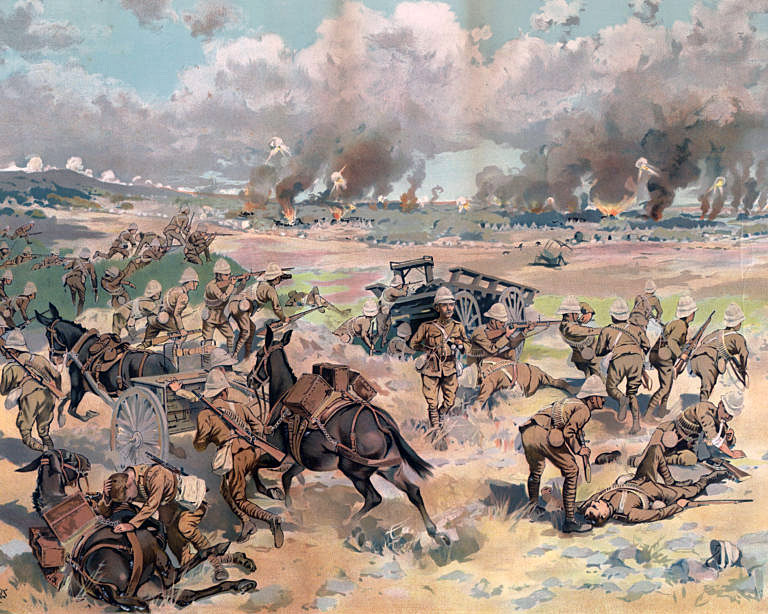
Canadians at Battle of Paardeberg, February 1900 by A.H. Hider
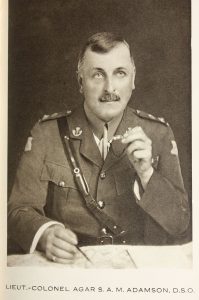
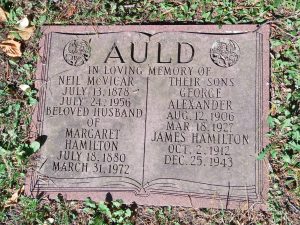
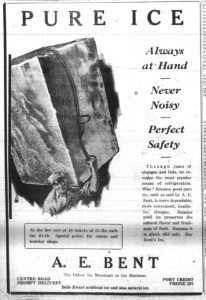
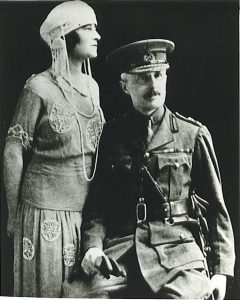
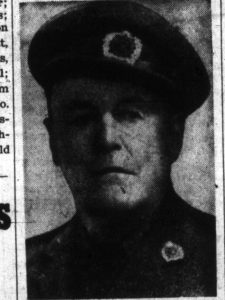
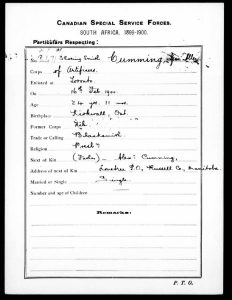
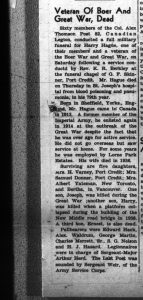
The residents of historic Mississauga who served in the Boer War include both those who served in Canadian contingents as well as in the British Army. Almost all of those who served were not born in Mississauga. but moved into historic Mississauga later in their lives (and in some cases, later moved out).
Unfortunately, it is impossible to create a truly complete list of those who served. Even amongst those who we know did serve, a full picture of their service cannot be created. For example, the same name can be possessed by people in different regiments, making finding the service records of people who simply say they served in South Africa incredibly difficult without more information . Service records are not a biography of what people did in the military. Information on what they did during specific actions or their general life in service must be gathered from the veterans themselves or those who knew of their experiences, which given the passage of time, is difficult to do so.