1900s
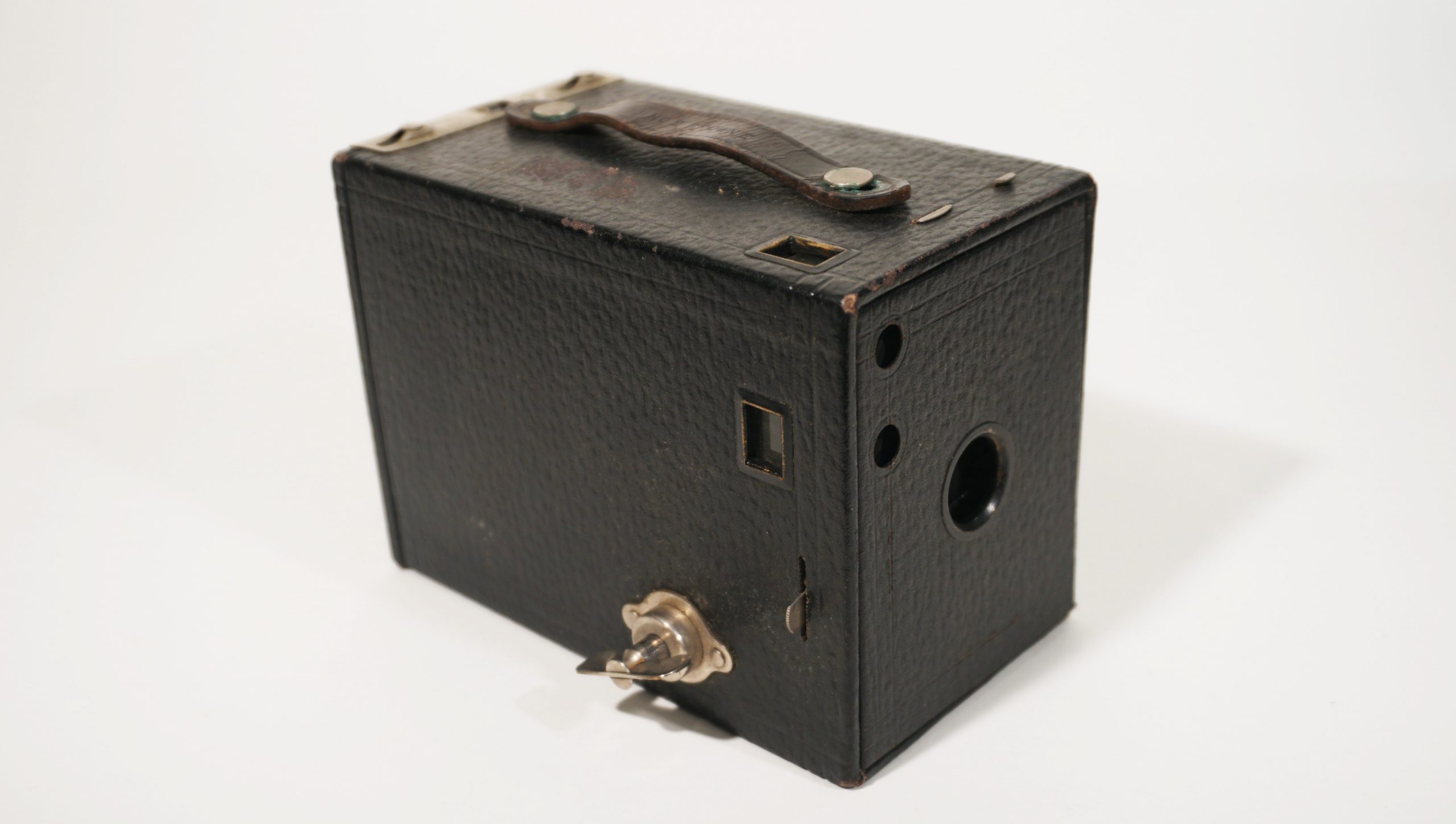
Eastman Kodak Co. No. 2 Brownie Box Camera. Made in USA. 1903.
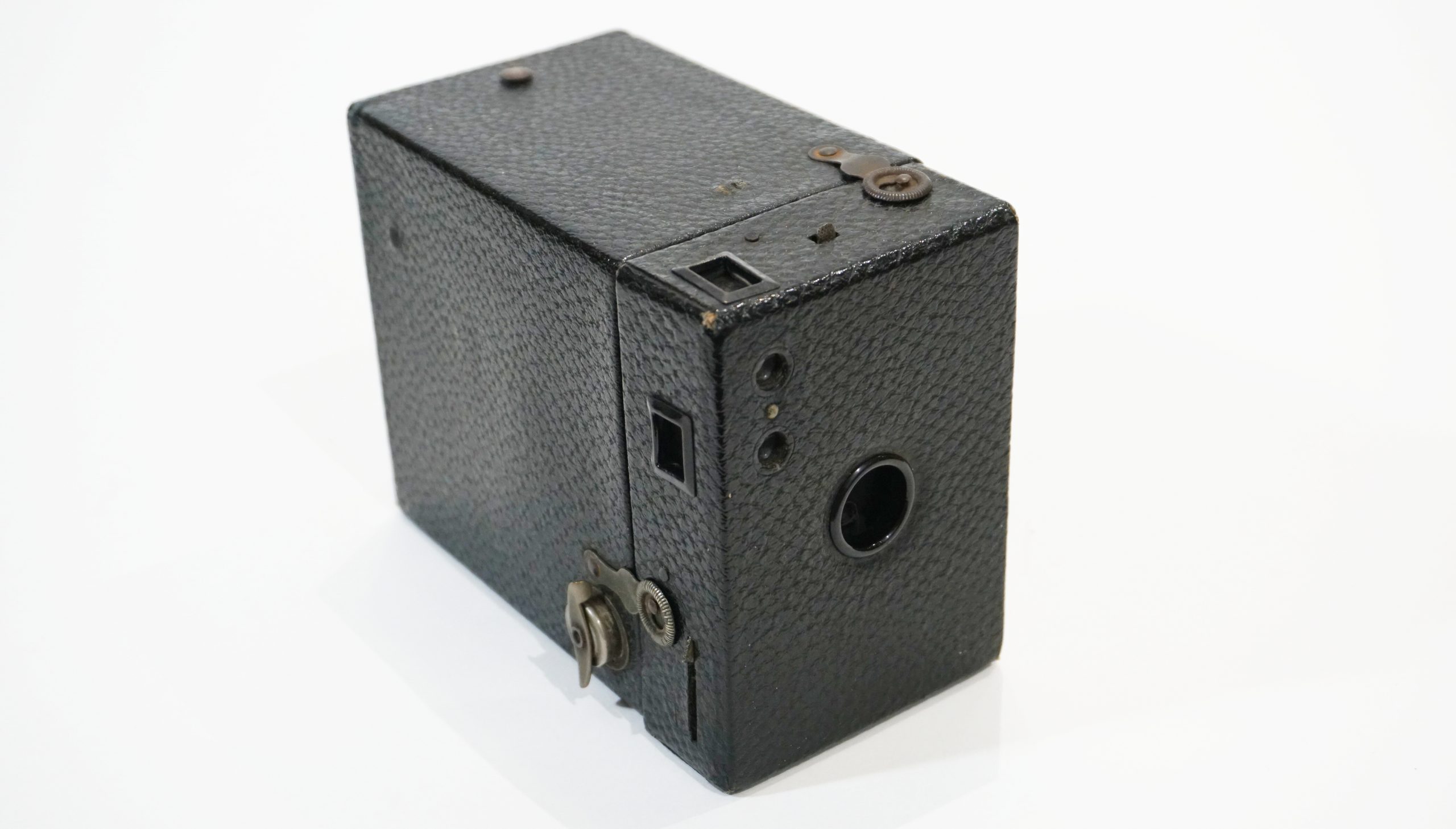
Eastman Kodak Co. No. 1 Brownie Camera. Made in England. 1900.
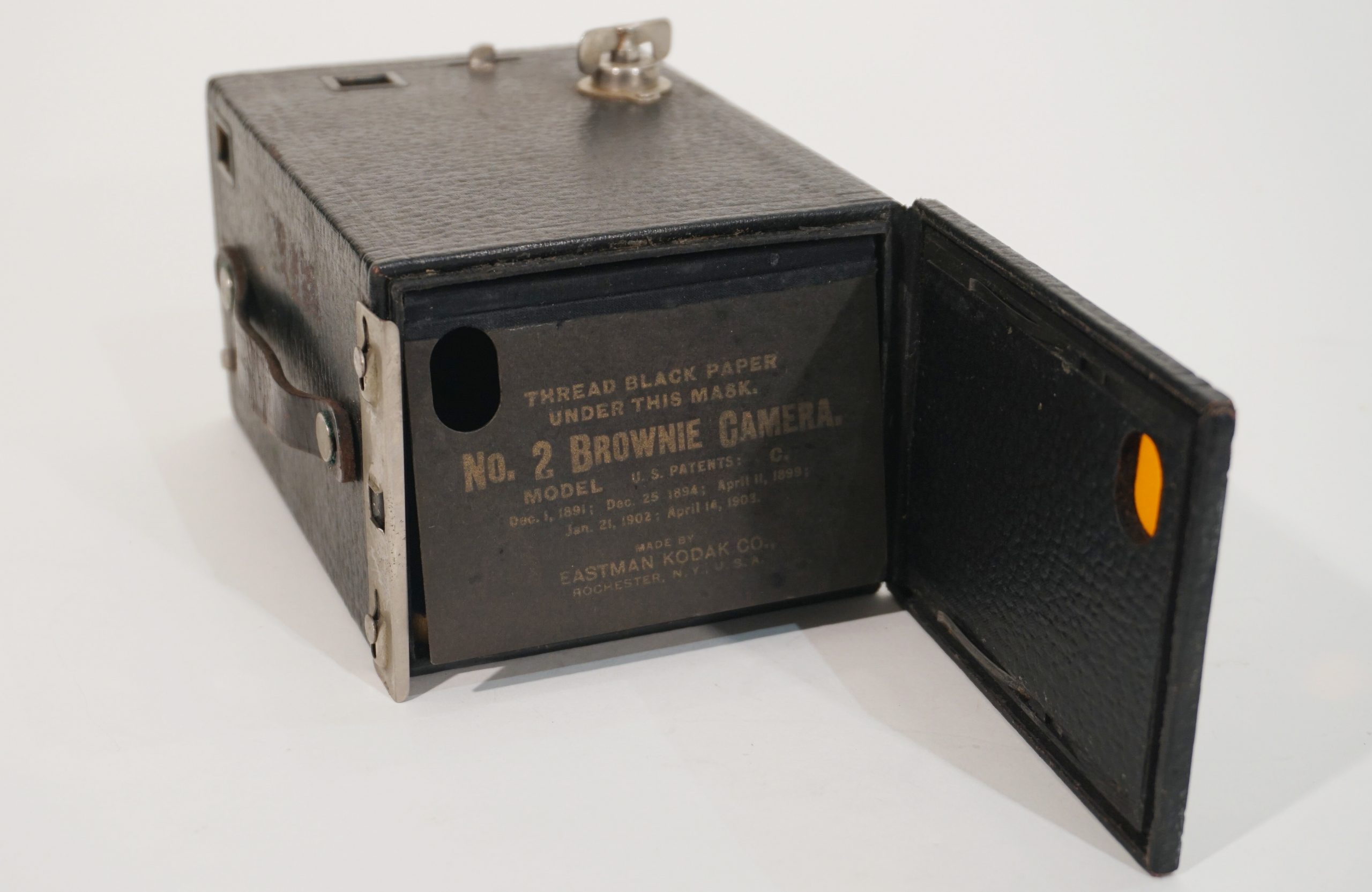
Eastman Kodak Co. No. 2 Brownie Box Camera open. Made in USA. 1903.
Photography was invented in 1826 but was still uncommon. It was far too expensive for the average consumer, but innovations throughout the following century would make cameras quicker to use, durable, portable and cheaper for the masses.
In the 1900s, Mississauga as we know it today did not exist. We were known as Toronto Township with a population of just 6,380 people. It was a rural society with farming villages and crossroad communities. Though these villages are largely lost to time, photography of the era preserved glimpses into everyday lives.
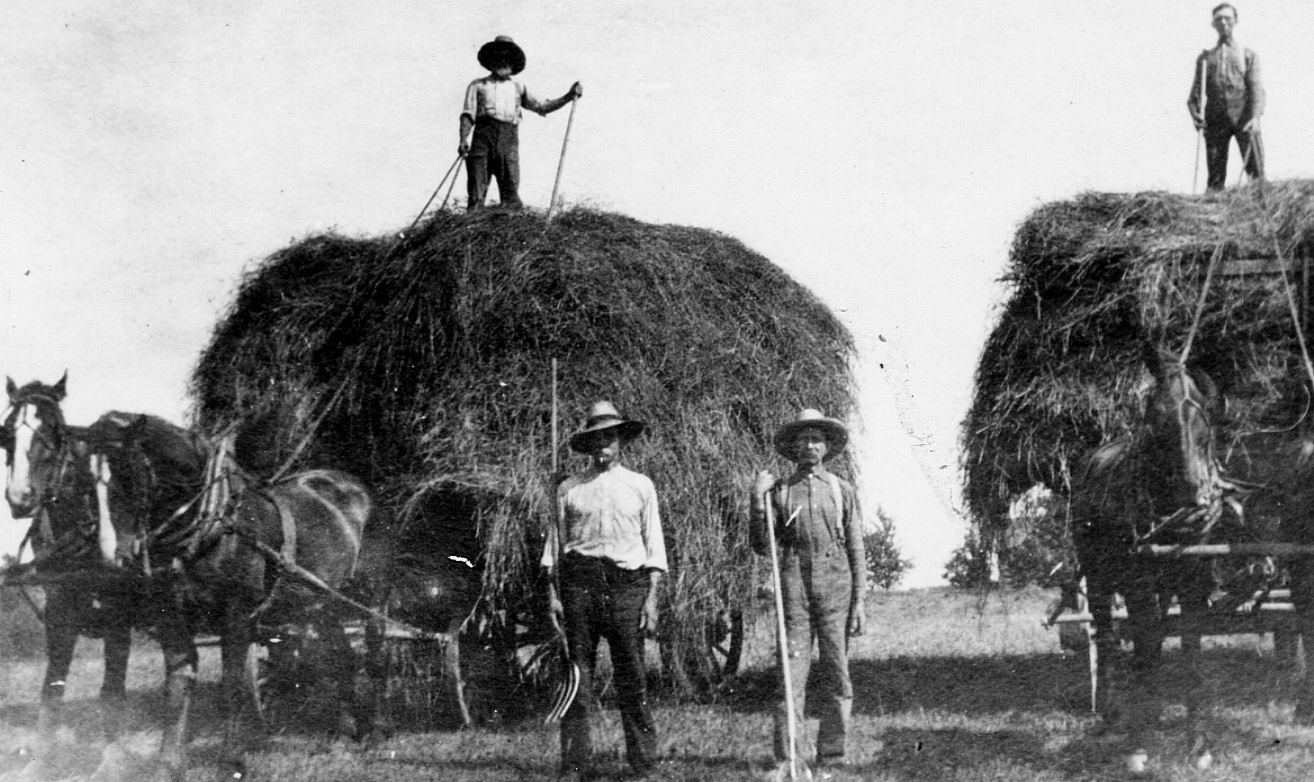
Hay Crop, Gooderham Farm, Meadowvale Village, 1900.
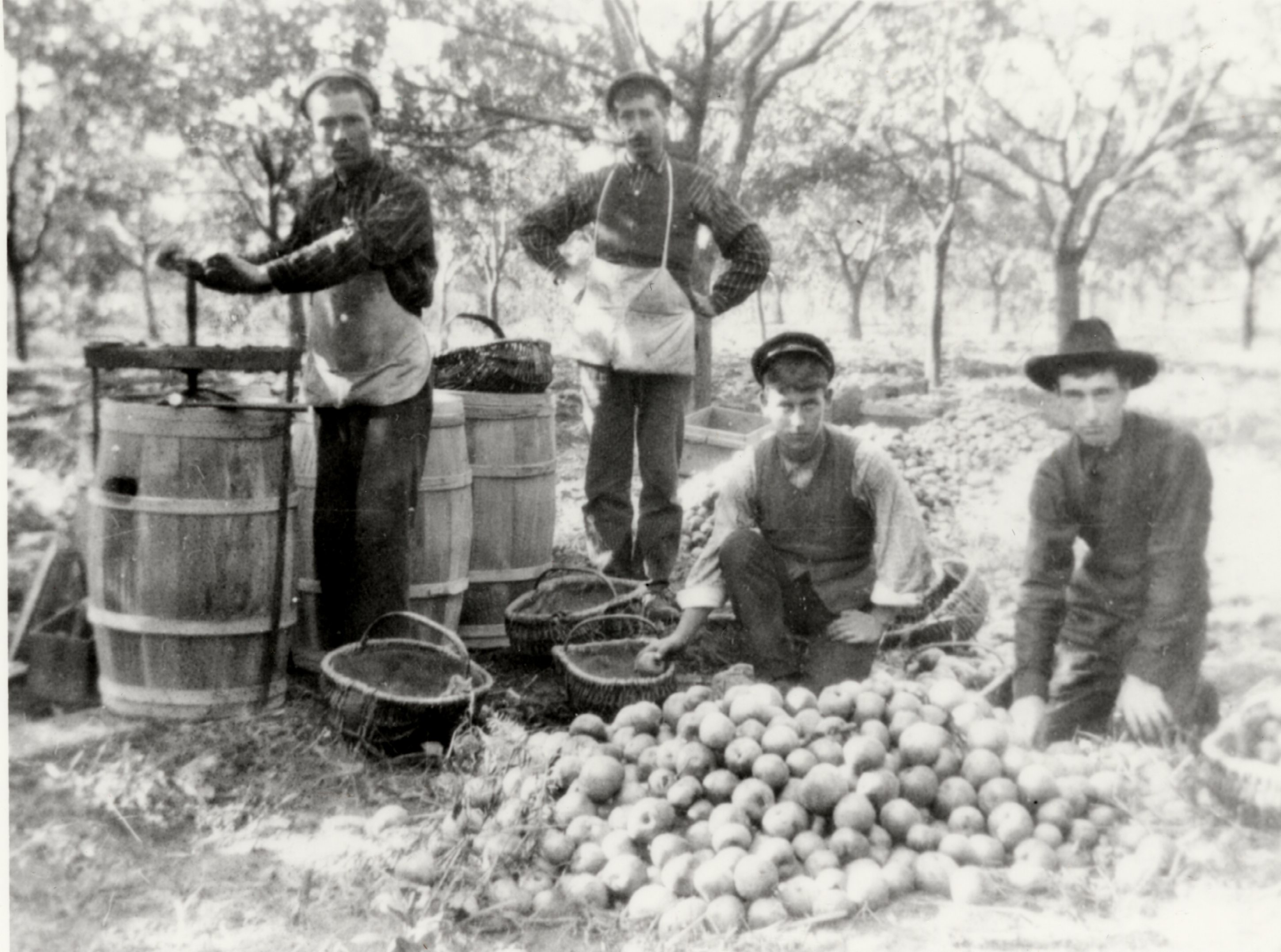
Clarkson Apple Picking on the Merigold Farm, 1900.
1910s
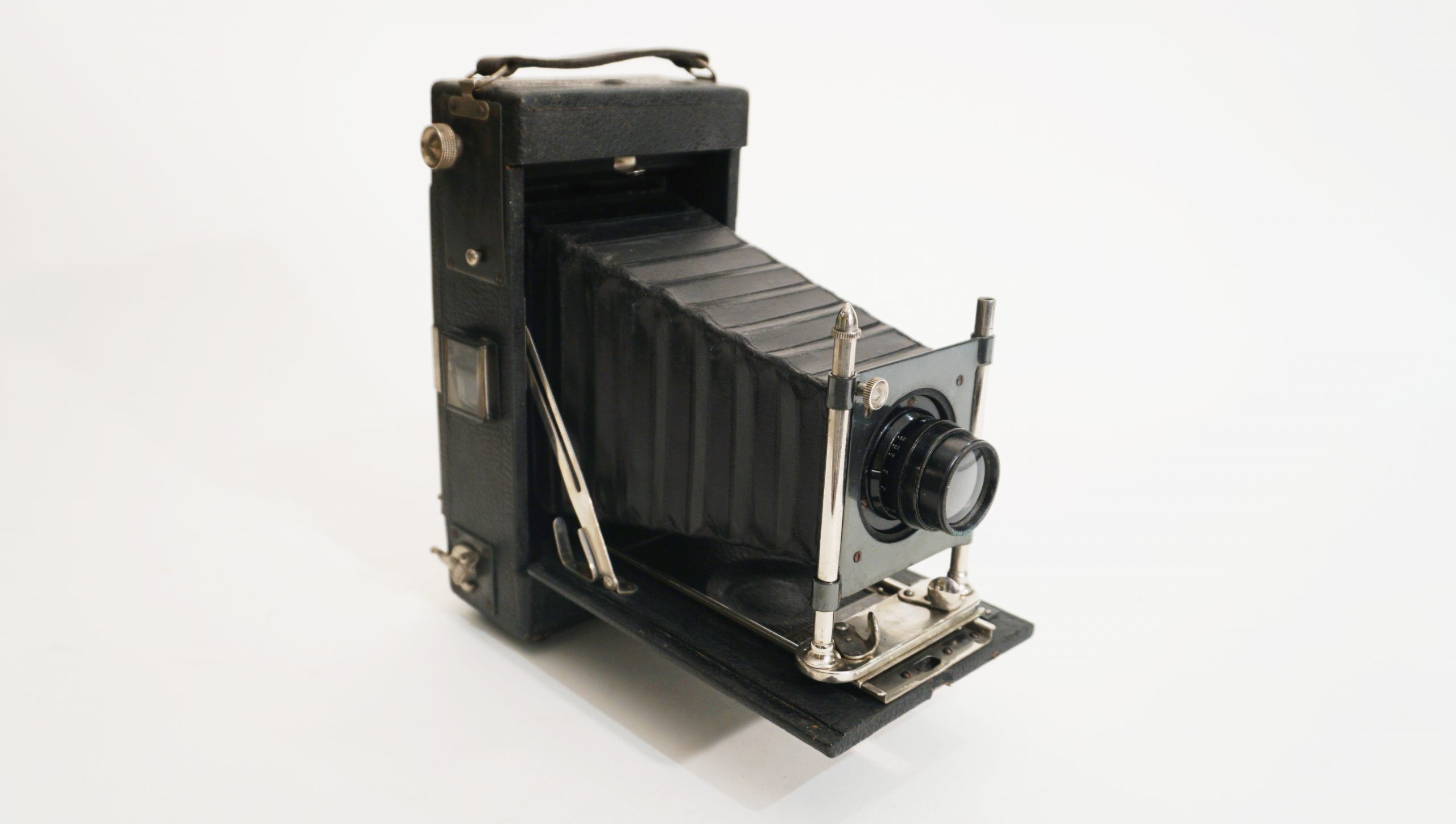
Focal Plane Post Card Reflex Camera Co. Folding Camera Front. Made in USA. 1912.
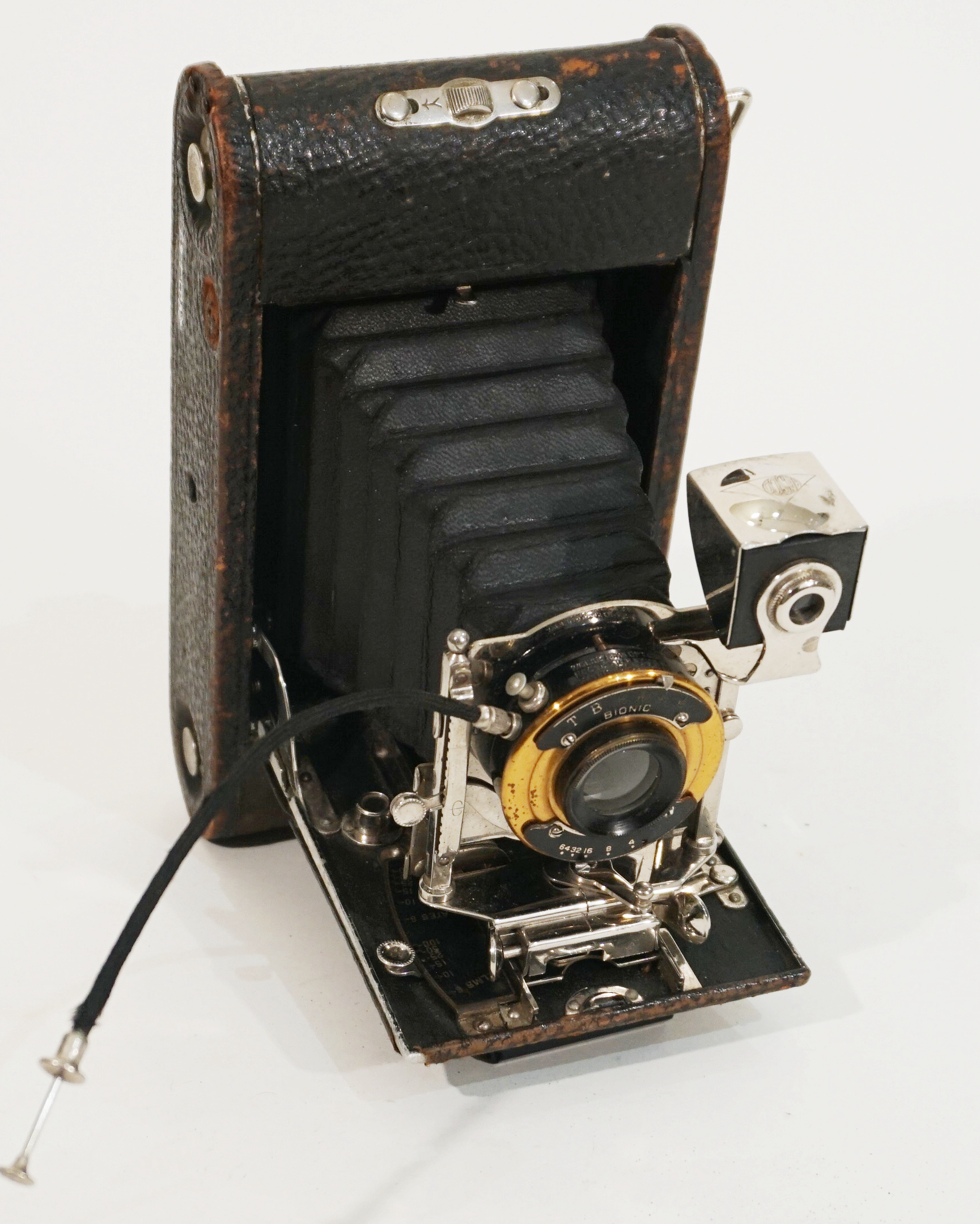
Ansco No.3 Folding Camera. Made in USA. 1912.
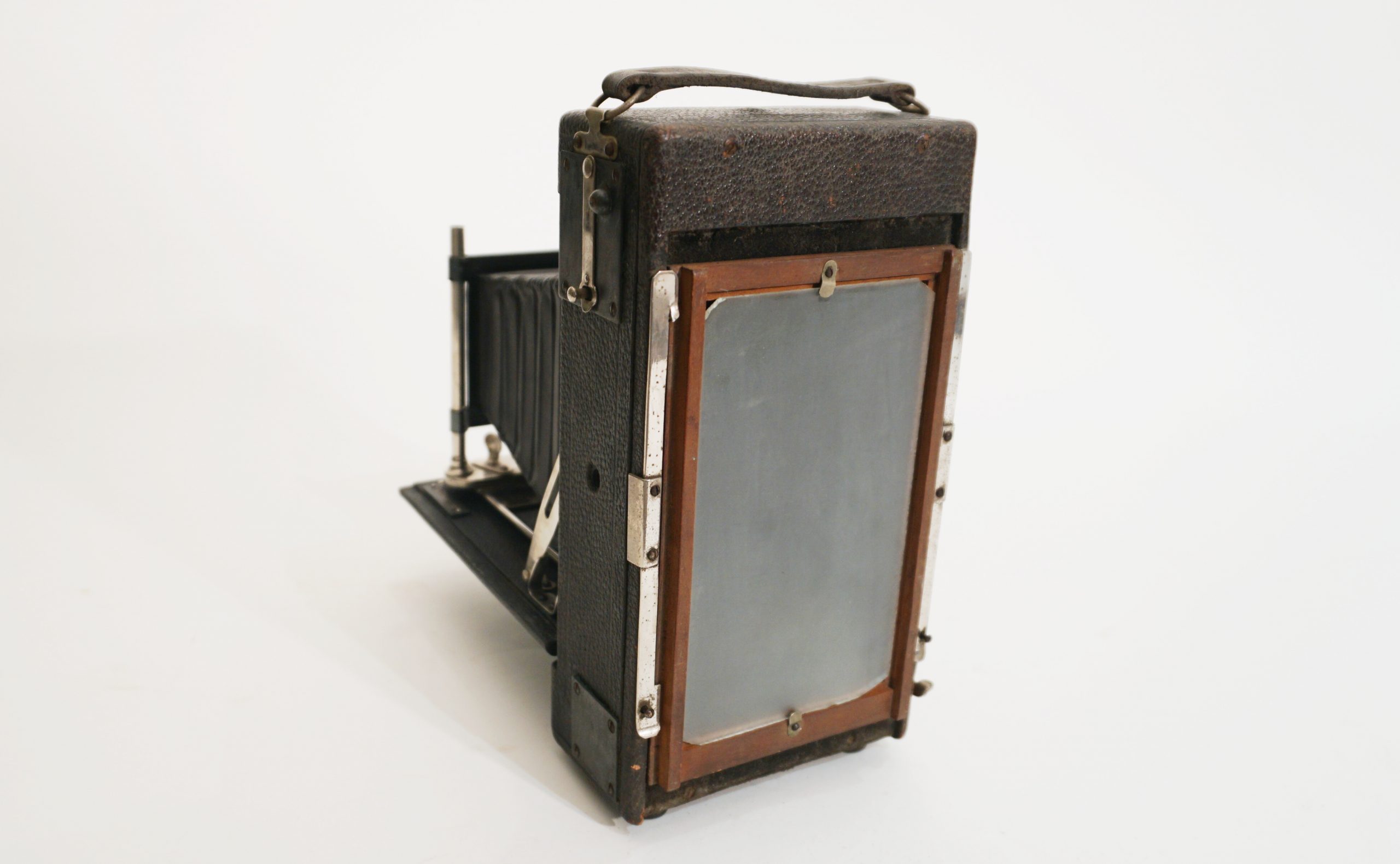
Focal Plane Post Card Reflex Camera Co. Folding Camera back. Made in USA. 1912.
The calm in our community was shattered in 1914 with the outbreak of the First World War (1914-1918). Photography documented the horrors of war for the first time in history. Cameras aided in aerial reconnaissance and identification.
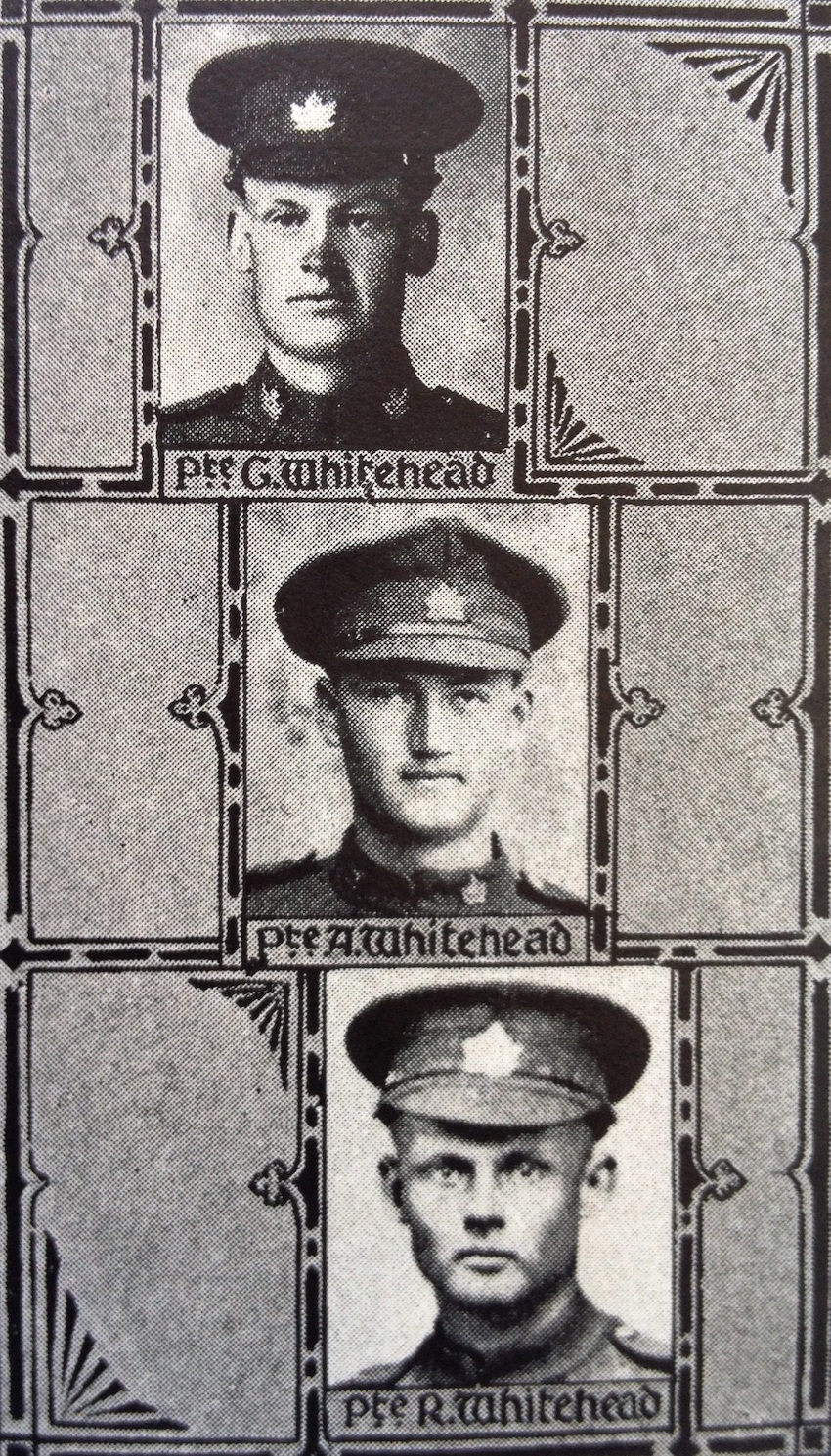
Historic Mississauga lost more than 90 young men in the war. The Whitehead family of Malton was one such family who made the ultimate sacrifice for Canada. Brothers Arthur, Robert and George Whitehead all lost their lives in the line of duty, marking the end of an entire generation. Their photos help us to remember their stories and sacrifices.
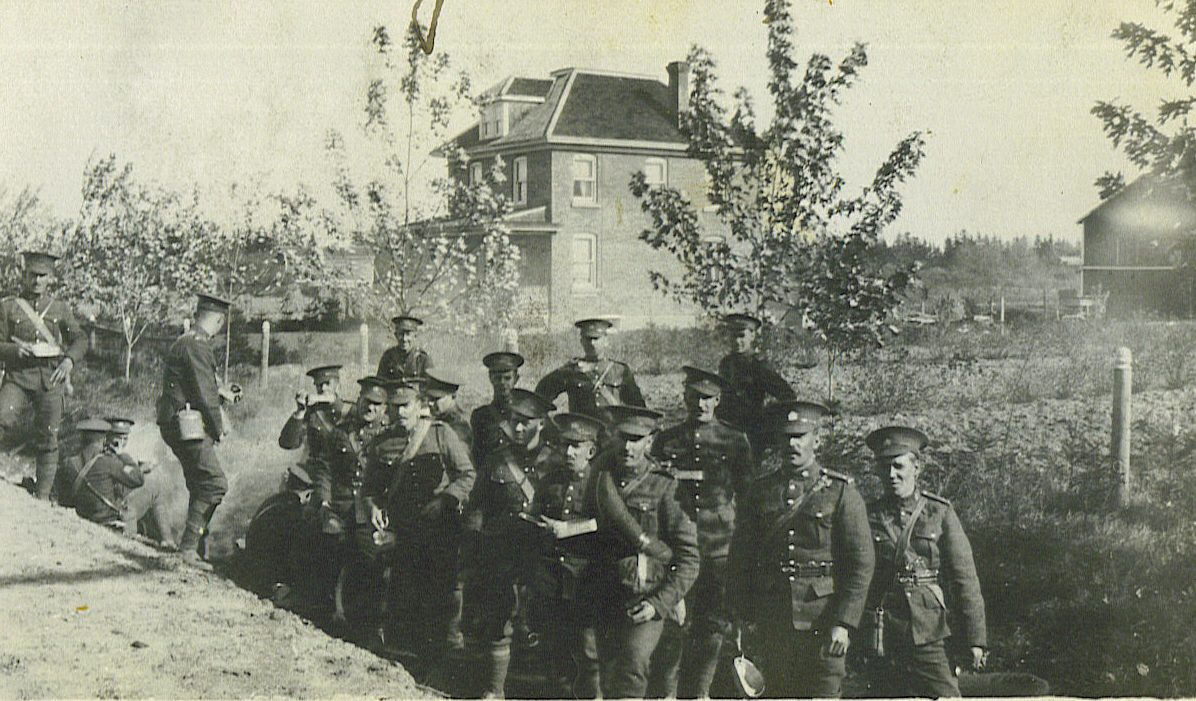
74th Battalion, Streetsville, 1914.
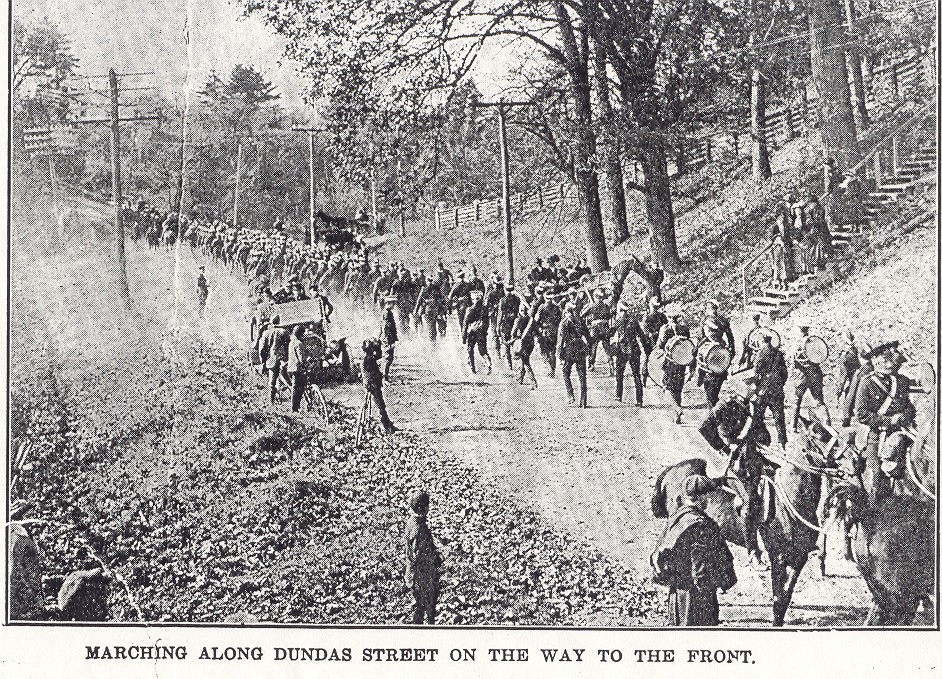
Soldiers marching along Dundas Street, Erindale, 1915.
1920s
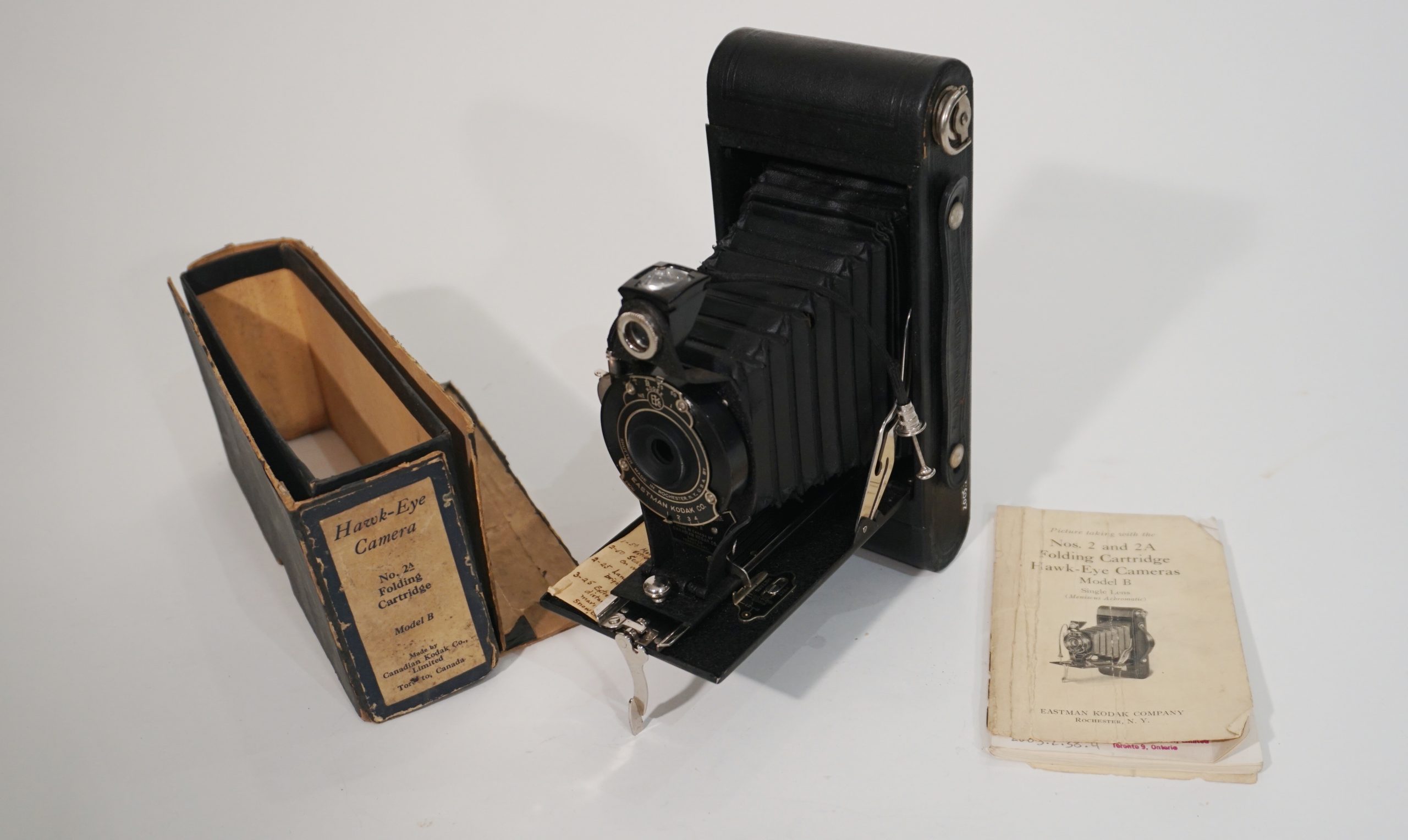
Kodak 2A Folding Cartridge Hawk-Eye Camera Model B. Made in USA. 1929.
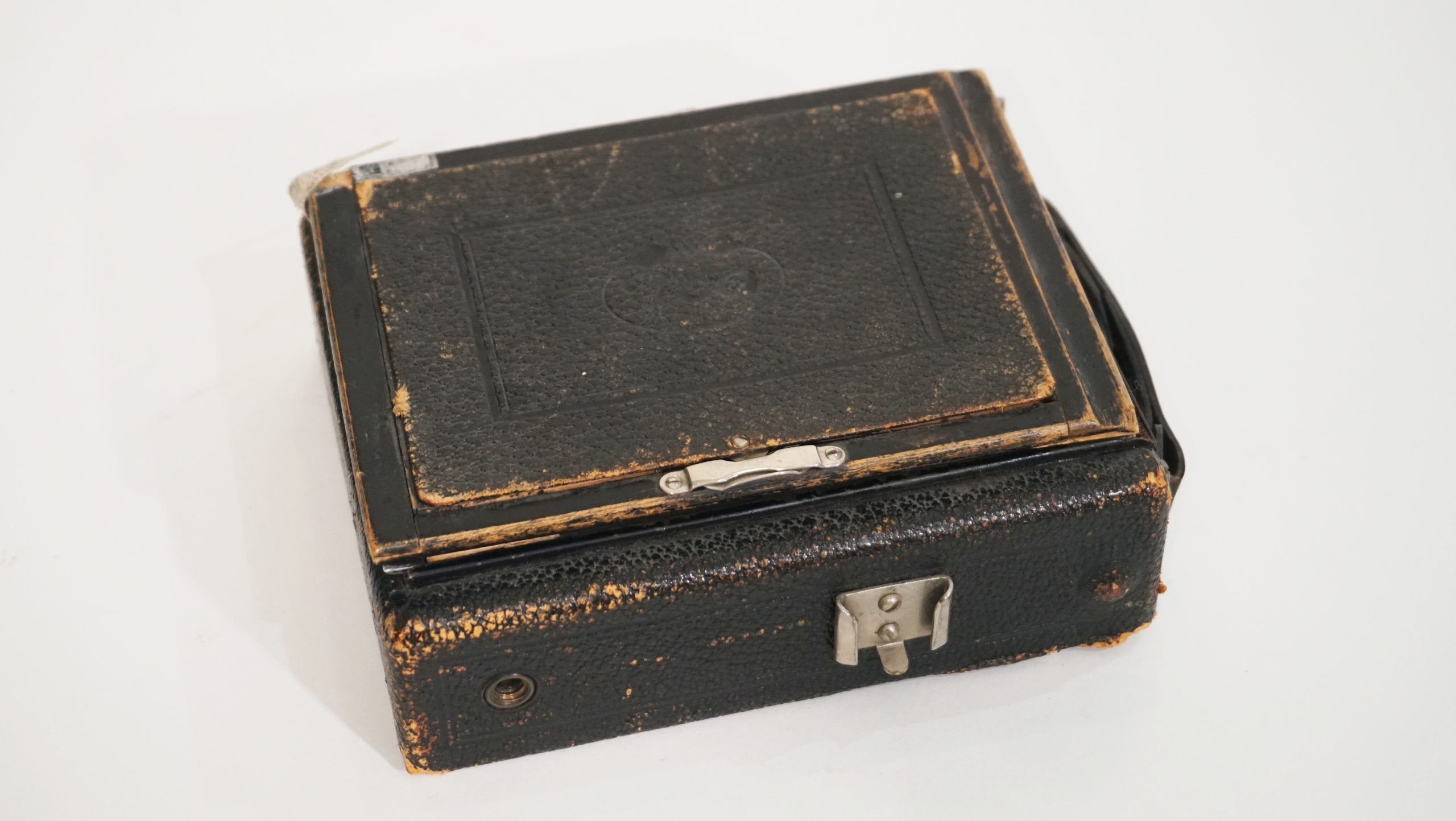
ICA Trona 212 Camera (closed). Made in Germany. 1924.
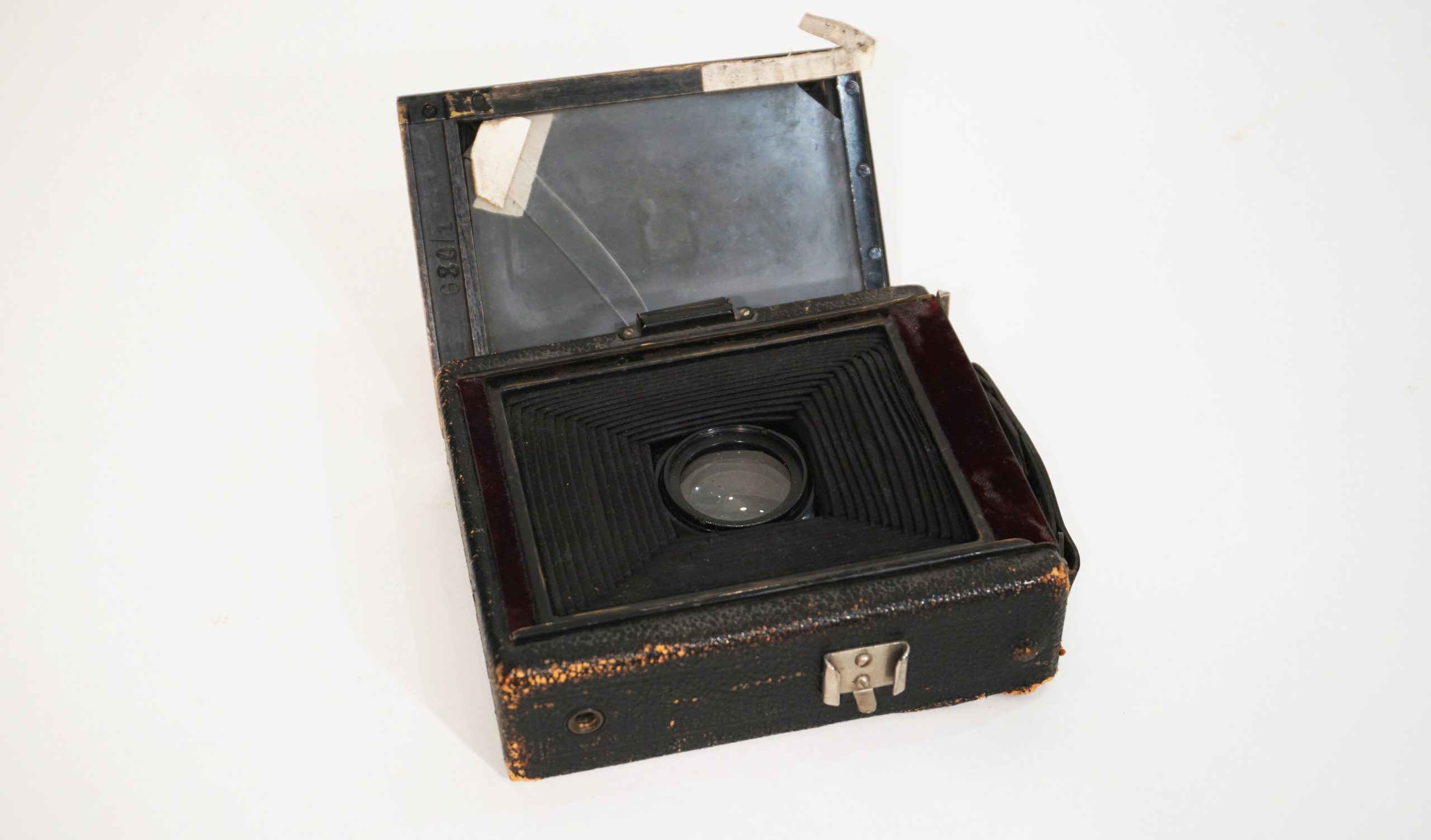
ICA Trona 212 Camera (opened). Made in Germany. 1924.
The “Roaring Twenties”, was marked by an economic boom. The buying public wanted cameras to depict their lives, birthing the 35mm camera which permitted freedom of movement.
At home, the prohibition of alcohol was passed in Ontario in 1916, continuing until 1927, to curb the wicked ways of our province. Port Credit fishermen and stonehookers concealed liquor from police, transporting the cargo between Hamilton and Toronto, even into American ports. Photographs of the harbor show us that not all is as it seems.
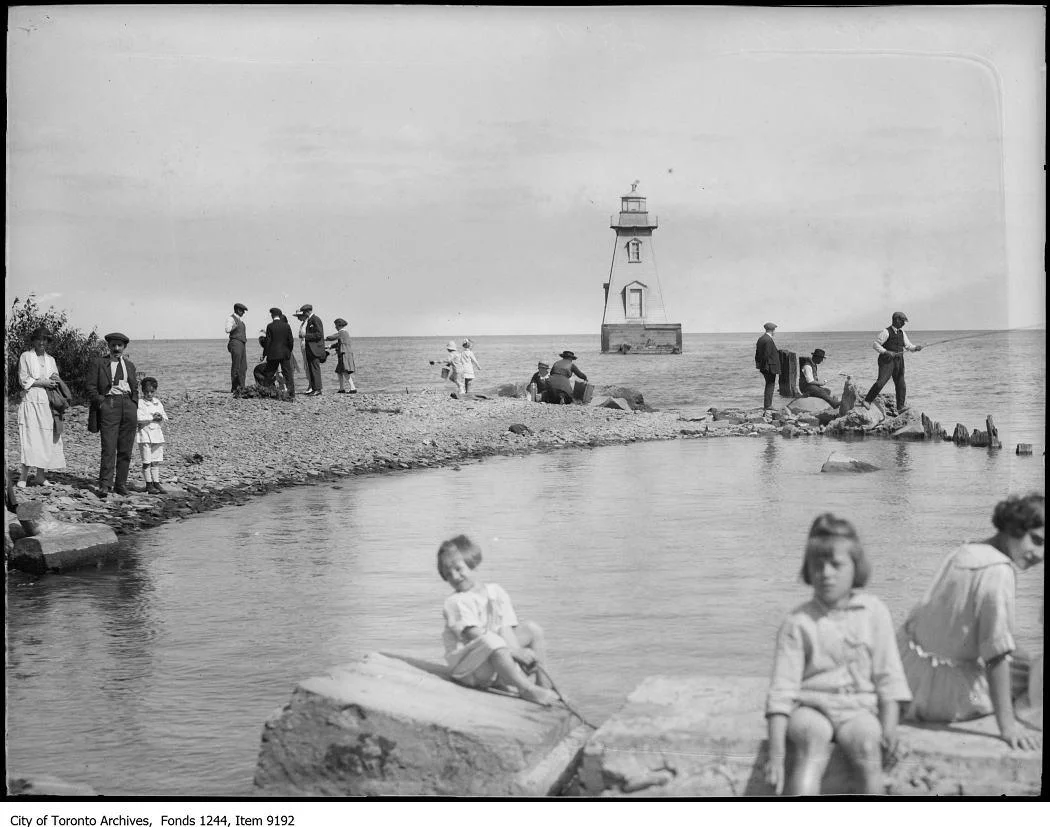
Port Credit beach and lighthouse, 1920.
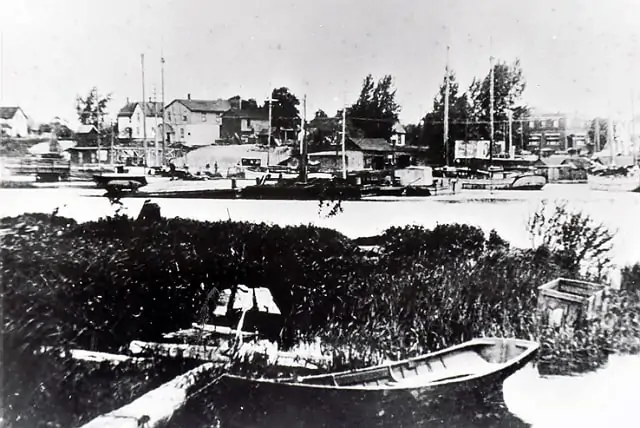
Port Credit Harbour, 1920.
1930s
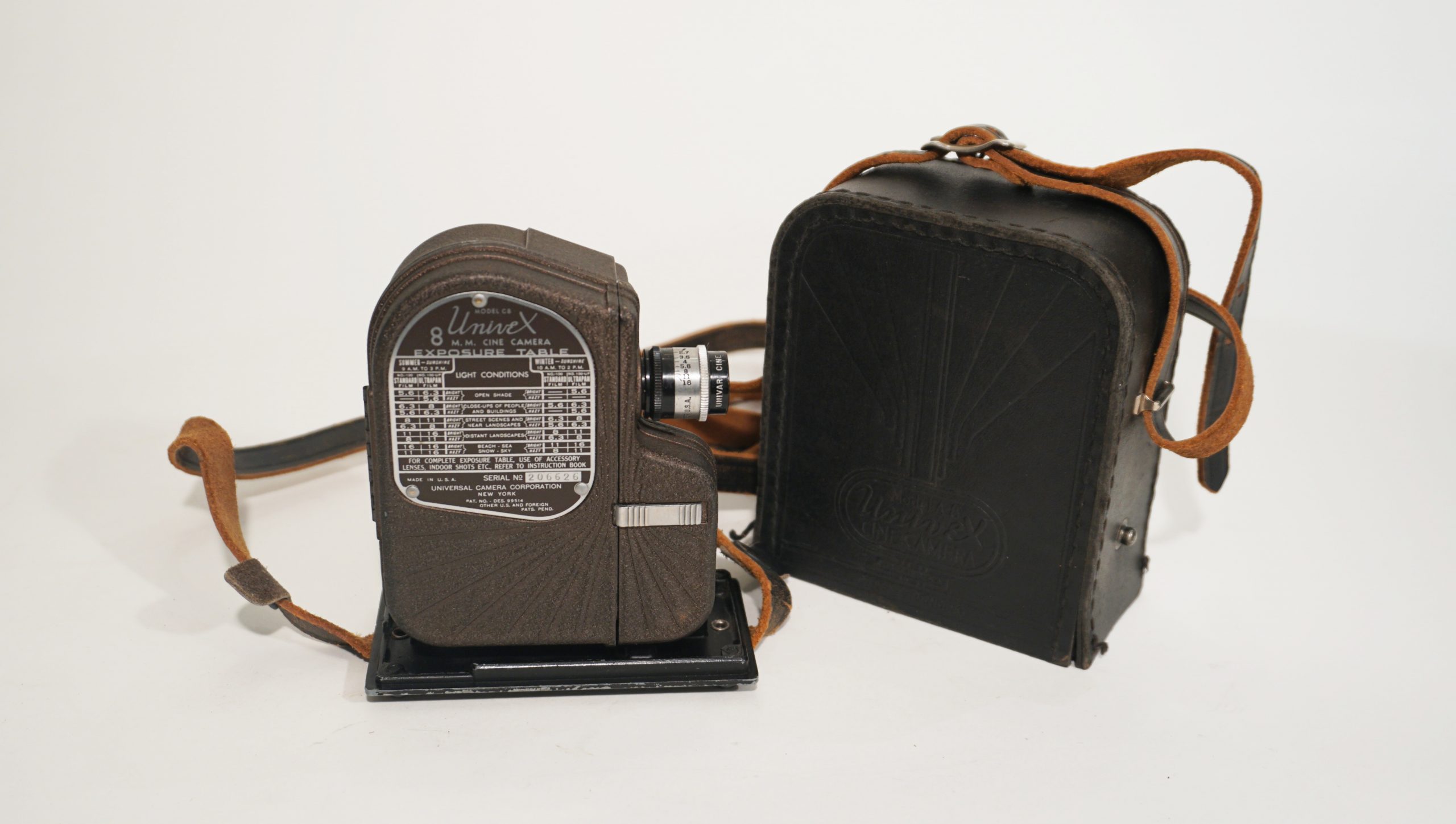
Univex Model C8 cine 8mm Camera. Made in USA. 1939.
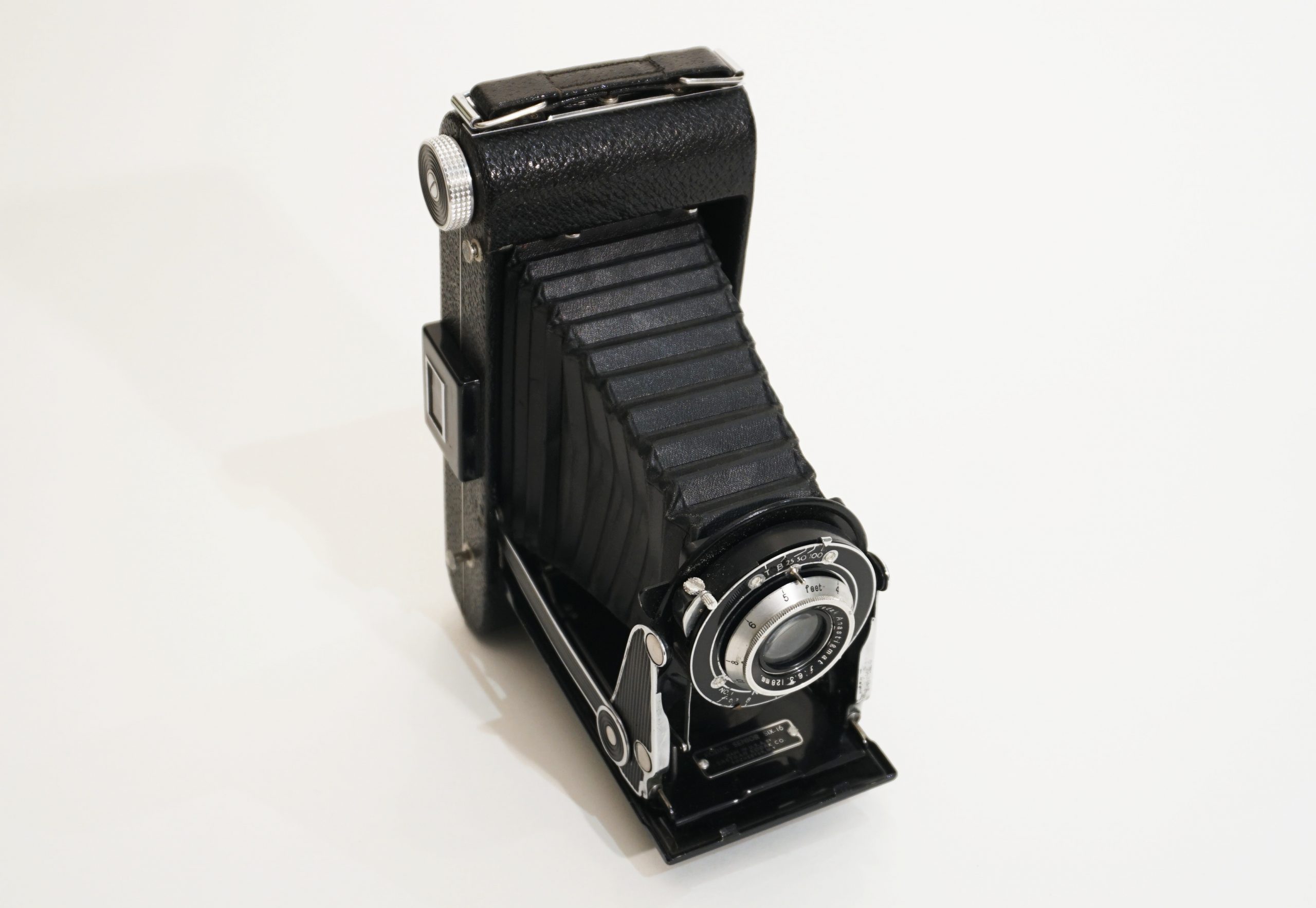
Kodak Senior Six-16 Camera. Made in USA. 1937.
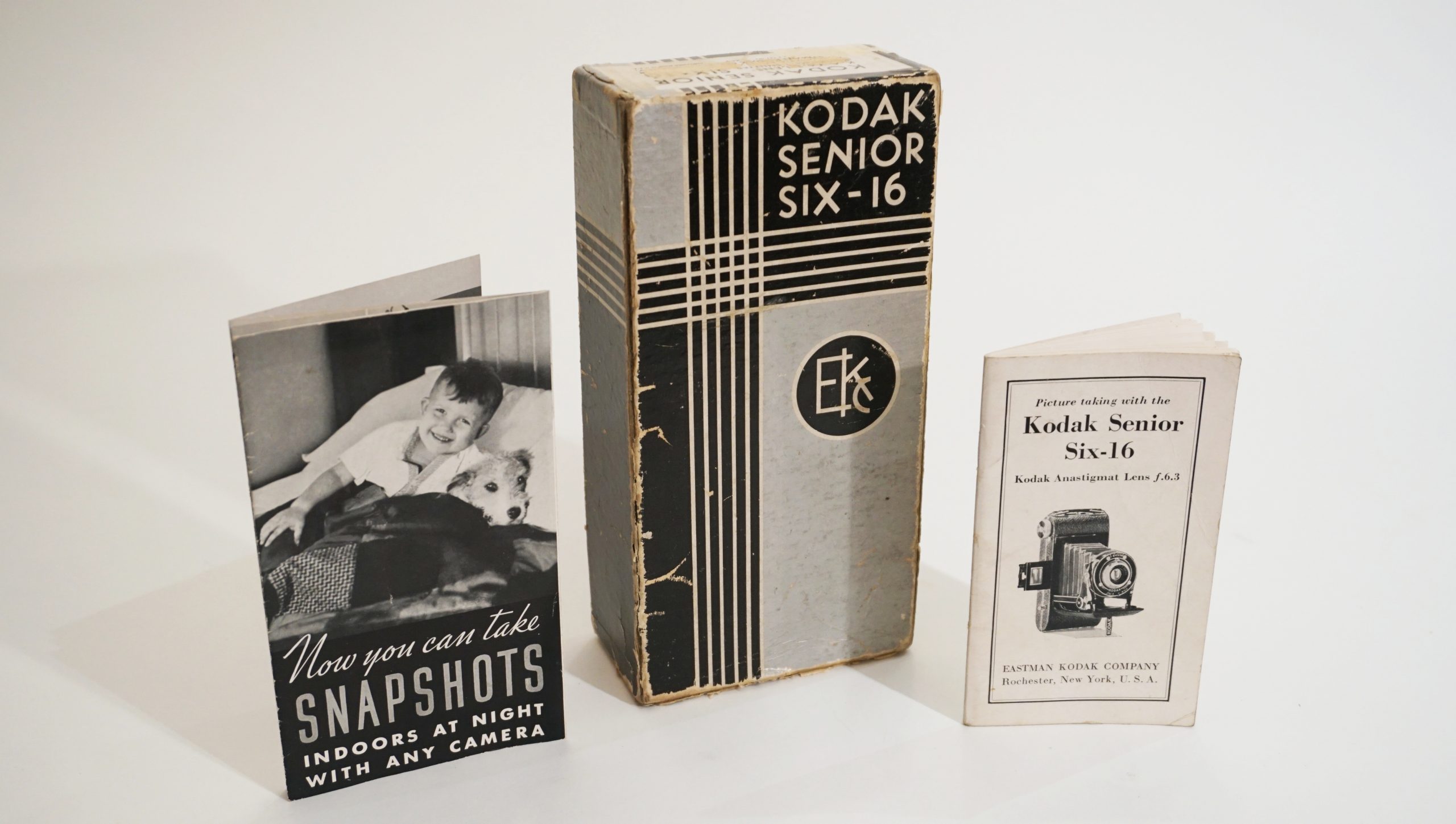
Kodak Senior Six-16 Camera, original box, and manual. Made in USA. 1937.
During the Great Depression, faster and cheaper printing processes allowed companies to advertise with pictures. The St. Lawrence Starch company advertised products with the Dionne Quintuplets – nourished with milk, water, and of course, the company’s Beehive Corn Syrup!
Meanwhile, the unemployment rate was 30 percent across Canada. St. Lawrence Starch began a “make work” project to keep workers employed by building anything that would keep them on the payroll. In 1932, their new Administrative Building was completed in Port Credit. Still standing today, the building is a symbol of the stability brought to the community.
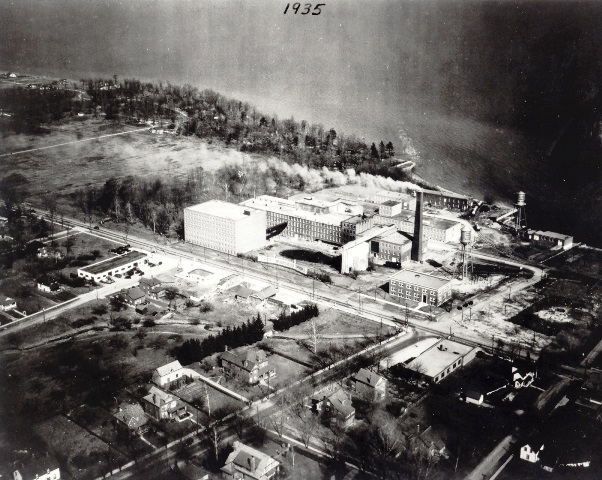
St. Lawrence Starch, Port Credit, 1935.
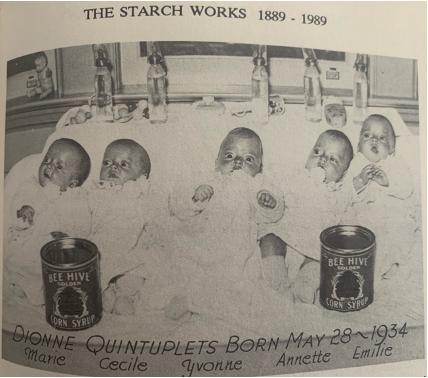
The Dionne Quintuplets advertising Bee Hive Corn Syrup, 1934.
1940s
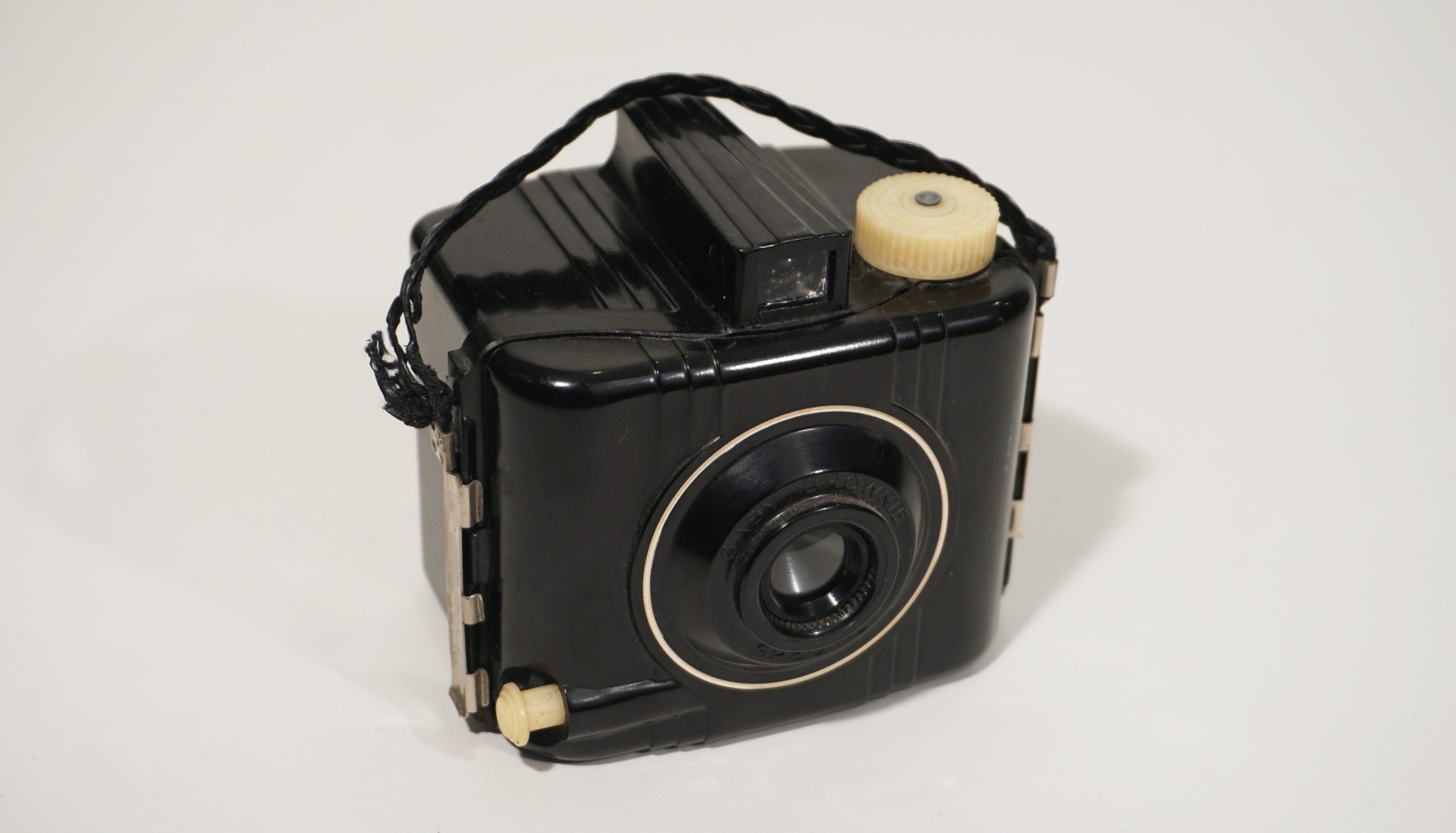
Kodak Baby Brownie Special Camera. 1942.
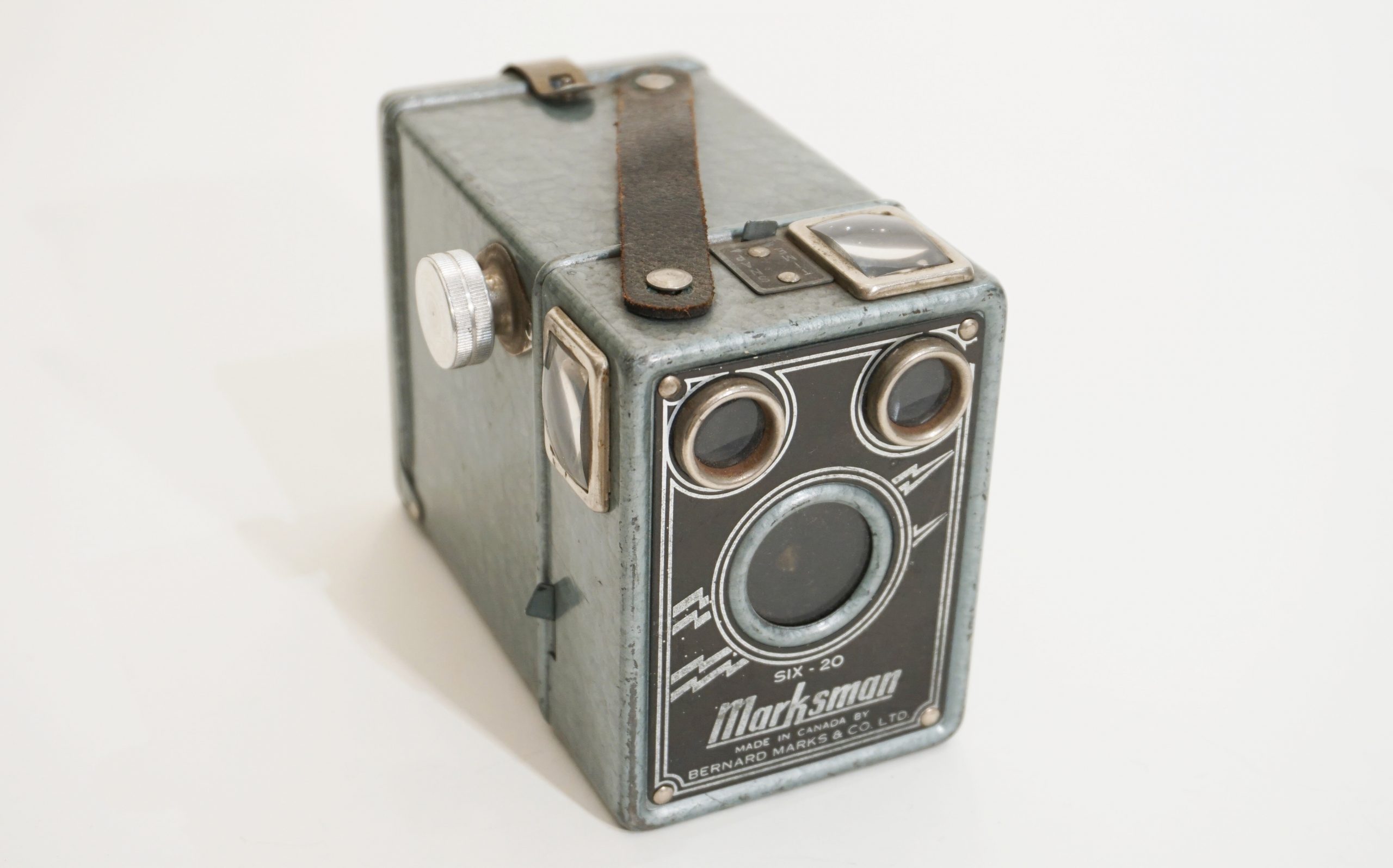
Marksman Six-20 Camera. Made in Canada. 1948.
The 1940s was a time marked by the industry and traumas of the Second World War (1939-1945). Photography shared the horrors of the frontline with people at home. Families awaited updates on their sons and daughters while doing what they could to support the cause at home.
The Small Arms Inspection Building in Lakeview made rifles and small arms for the Canadian Army. With the working men fighting, the company survived on a largely female workforce during the war. Photography of the era played an important role in preserving the memory of these working women.
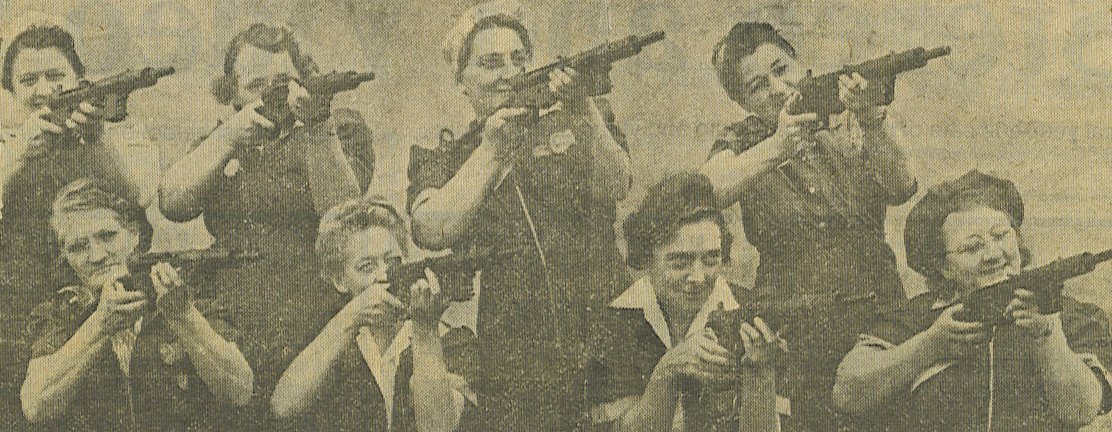
Workers from the Small Arms with sten guns.
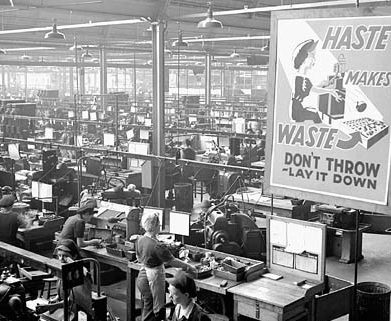
Instructional sign inside Small Arms factory.
1950s
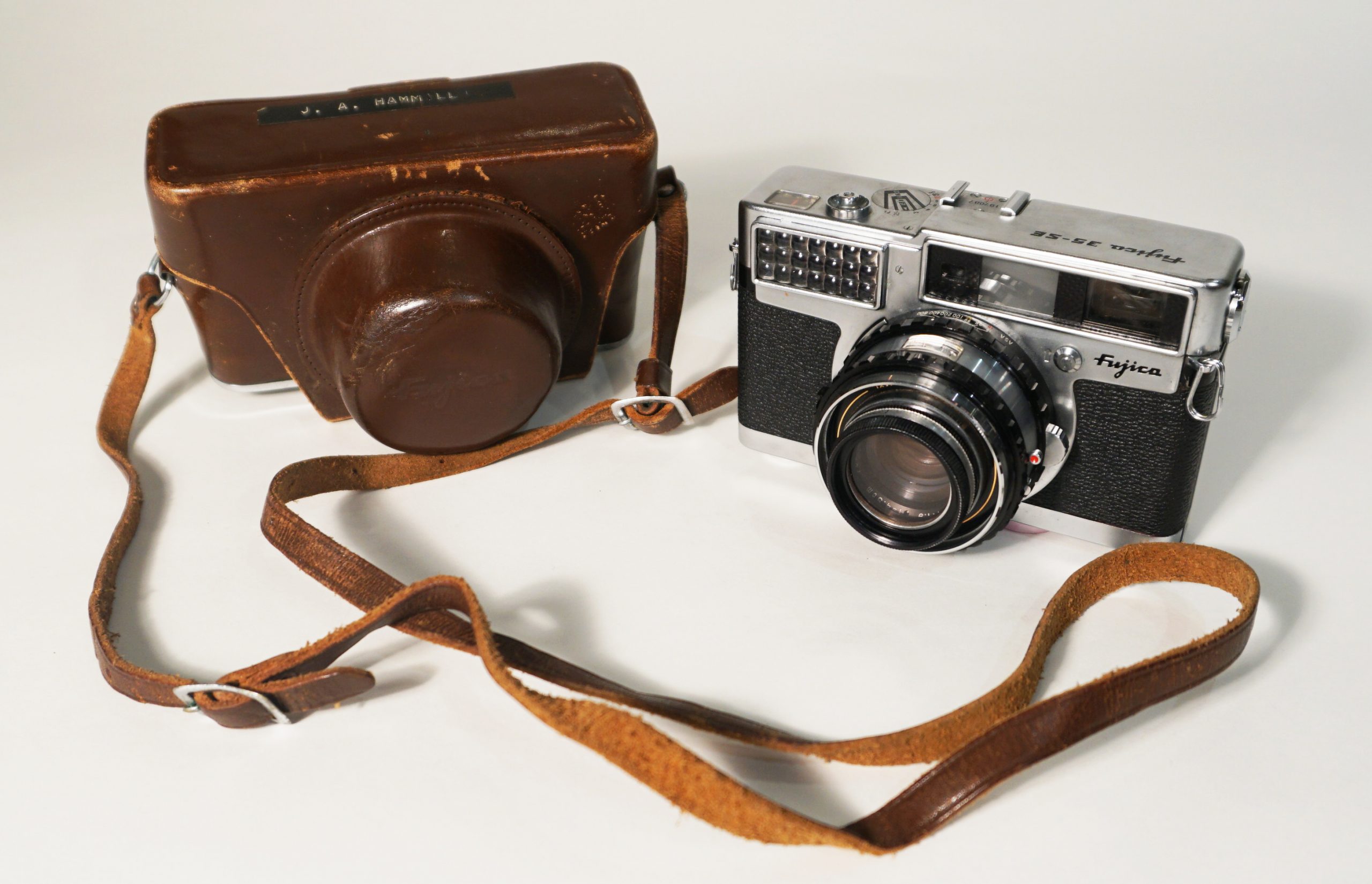
Fujica 35 -SE 35mm Camera. Made in Japan. 1959.
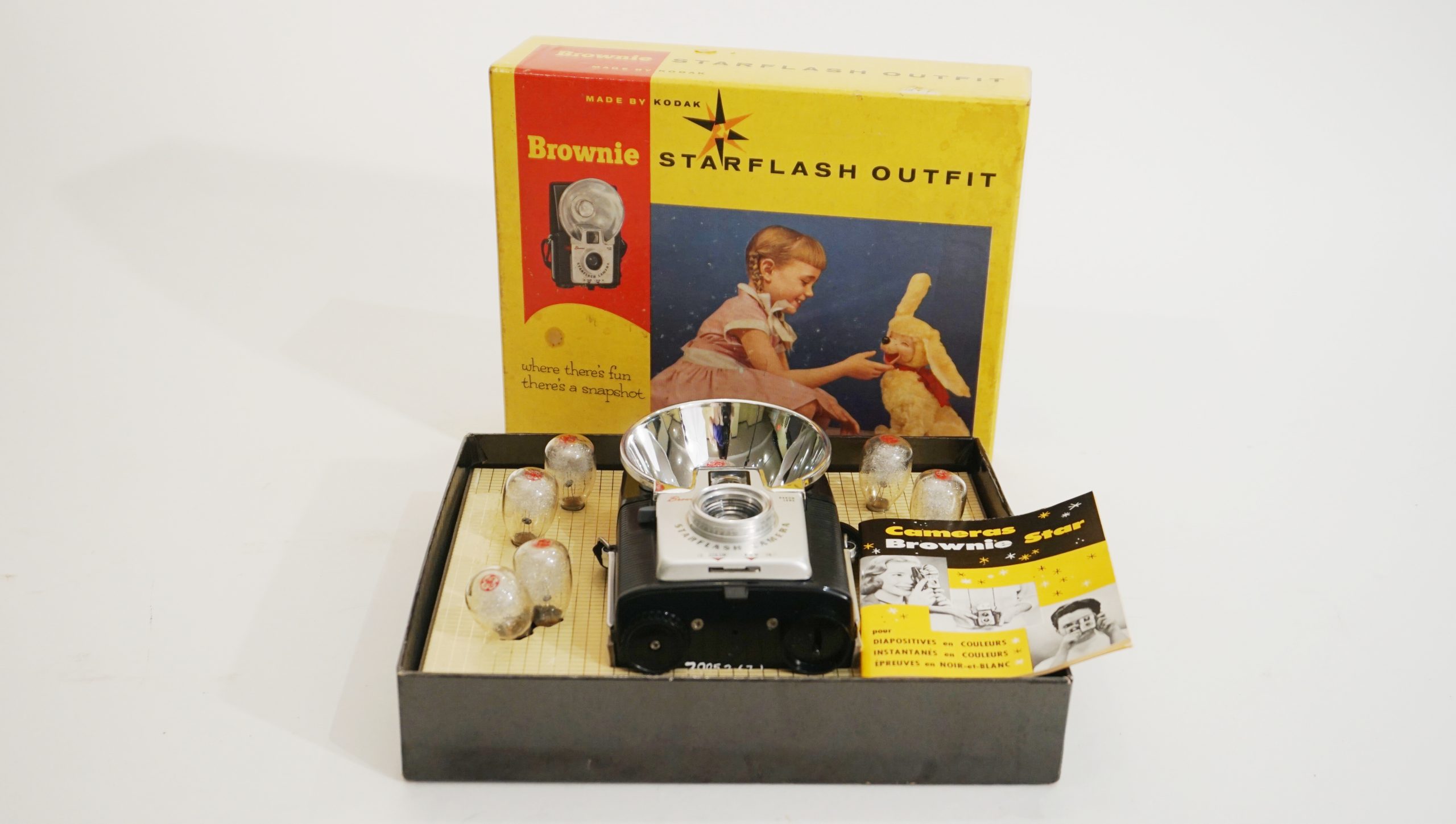
Kodak Brownie Starflash Camera kit. Made in Canada.1960.
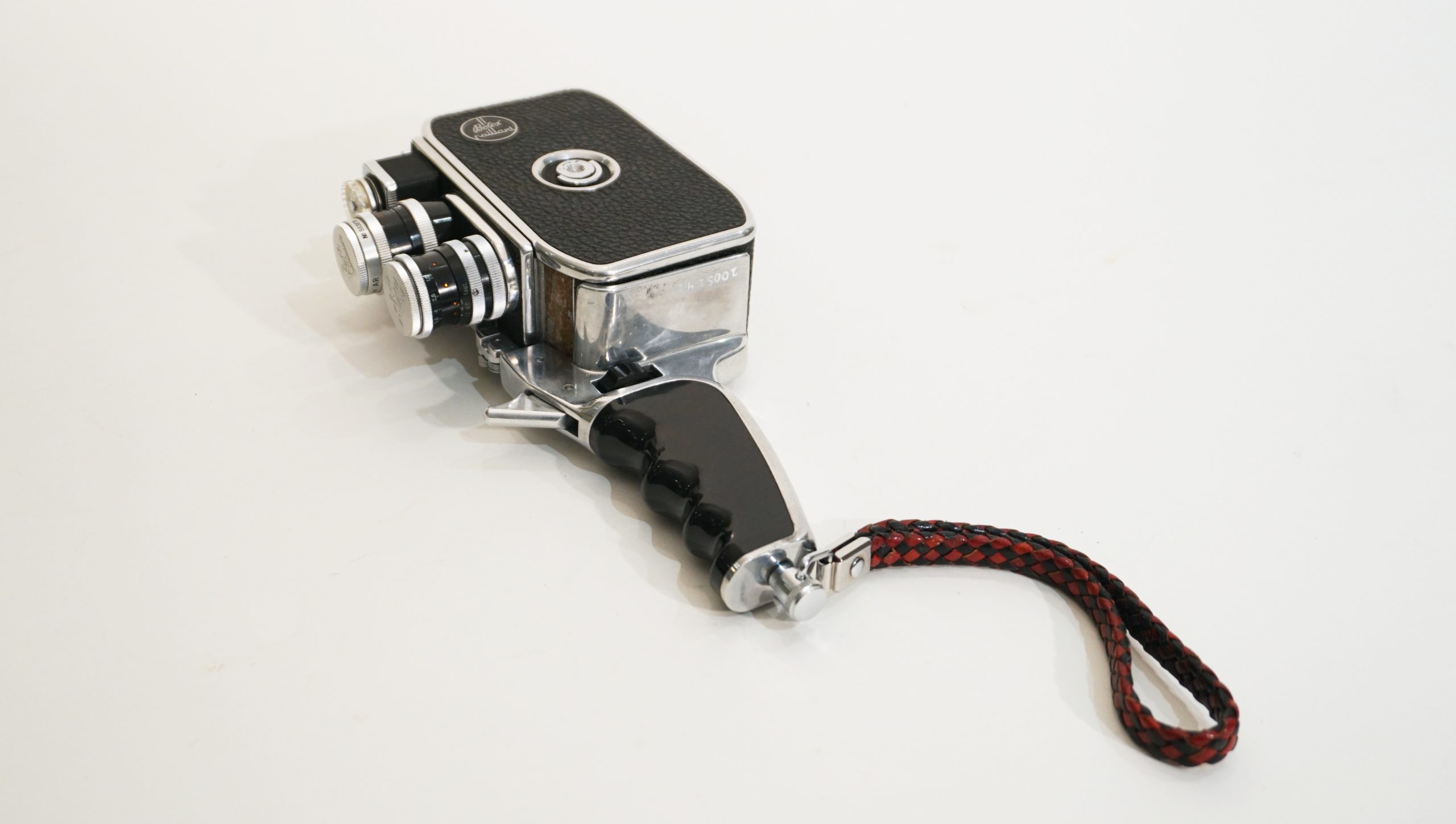
Bolex Paillard B8L. Motion Picture Camera. Made in Switzerland. 1958.
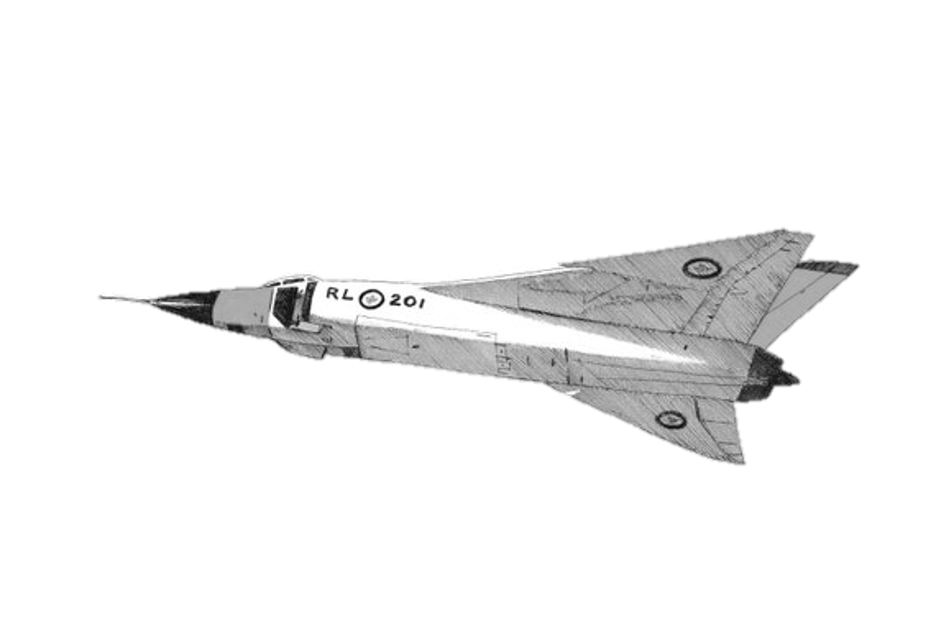
Anxieties over potential conflict continued into the Cold War Era. In Mississauga, cameras were capturing the fleeting moments of the legendary Avro Arrow. The Arrow was designed as a supersonic interceptor and was the pride of Malton. On February 20, 1959, the program was cancelled, and the planes were ordered to be destroyed.
The day became known as “Black Friday” to the over 50,000 people now out of work. A mass exodus of engineers left for Great Britain and the U.S.A. Many worked for NASA to help put the first man on the moon a decade later. Of the Avro Arrow, nothing exists today except memories, incomplete parts, and photographs.
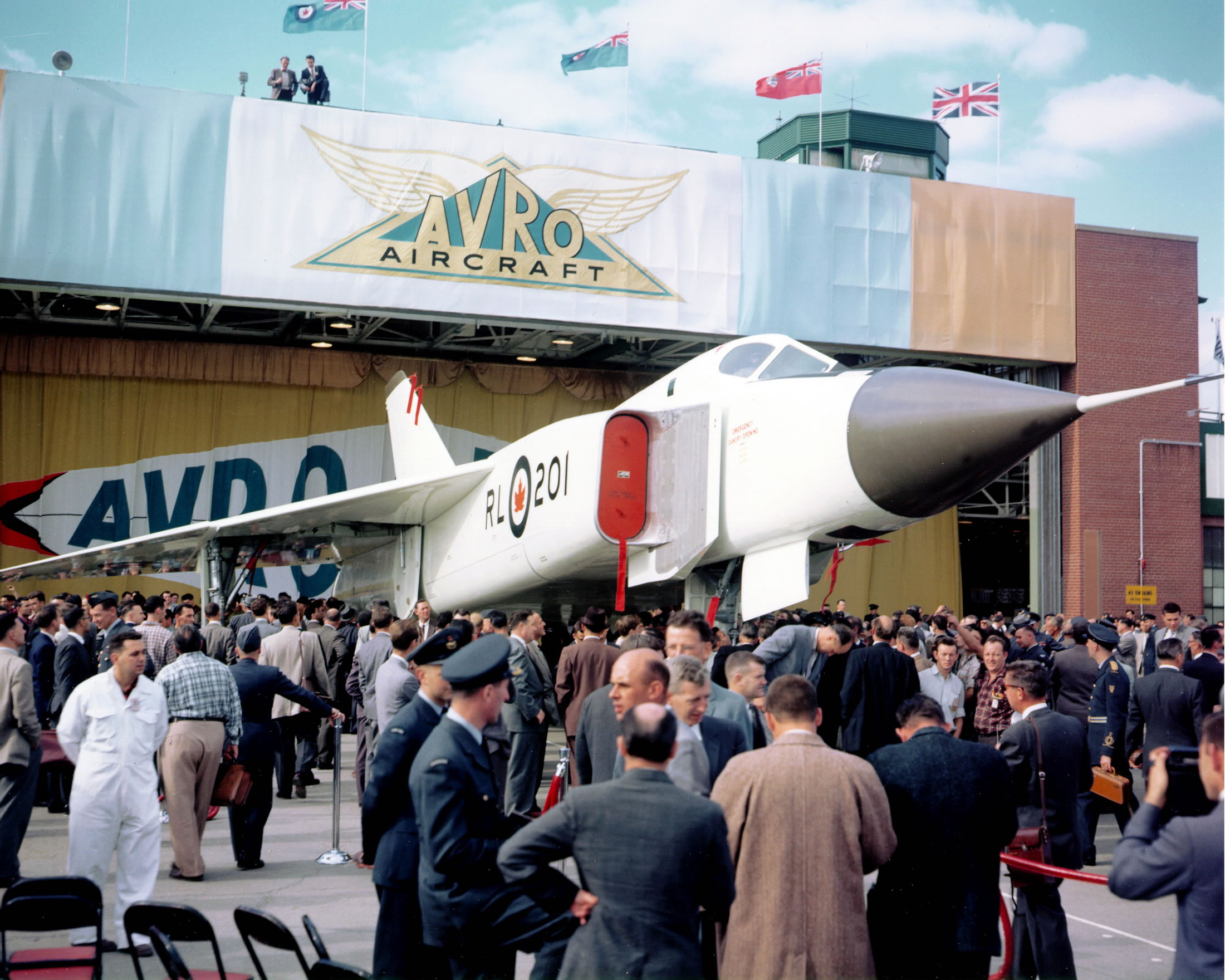
Avro Arrow unveiling, Malton.
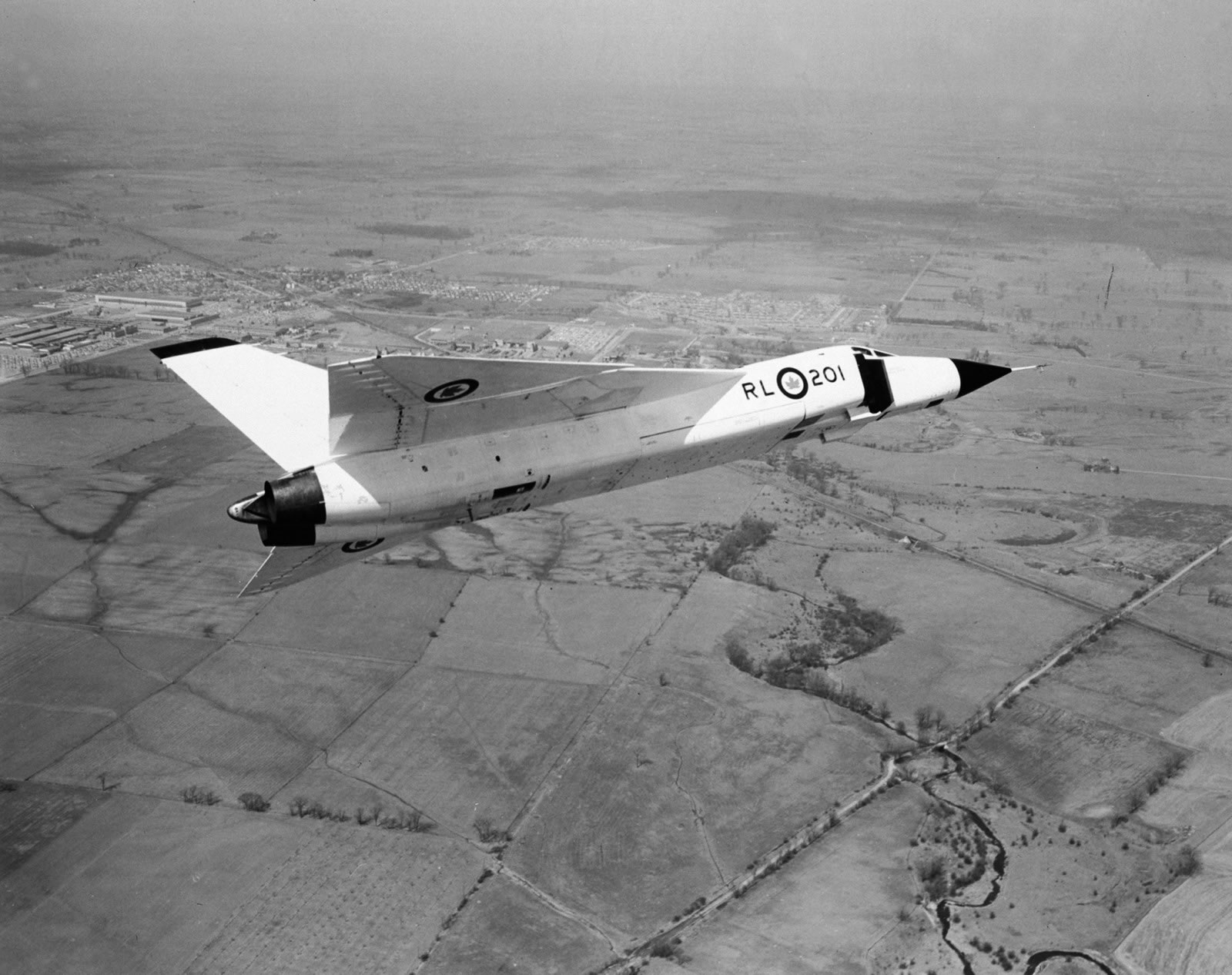
Avro Arrow flying over Malton, 1958.
1960s
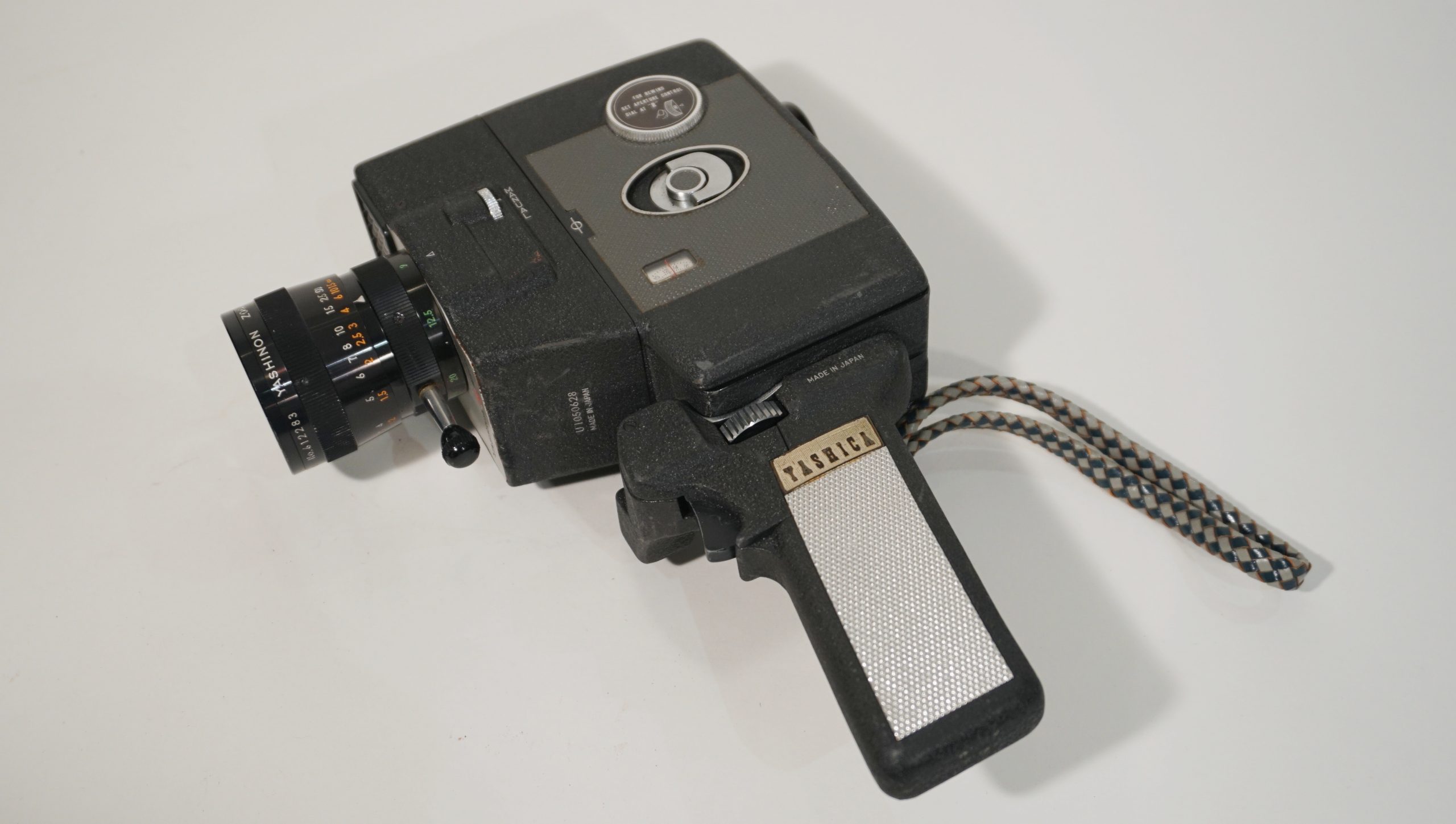
Yashica 8 U-matic Cine Camera. Made in Japan. 1961.
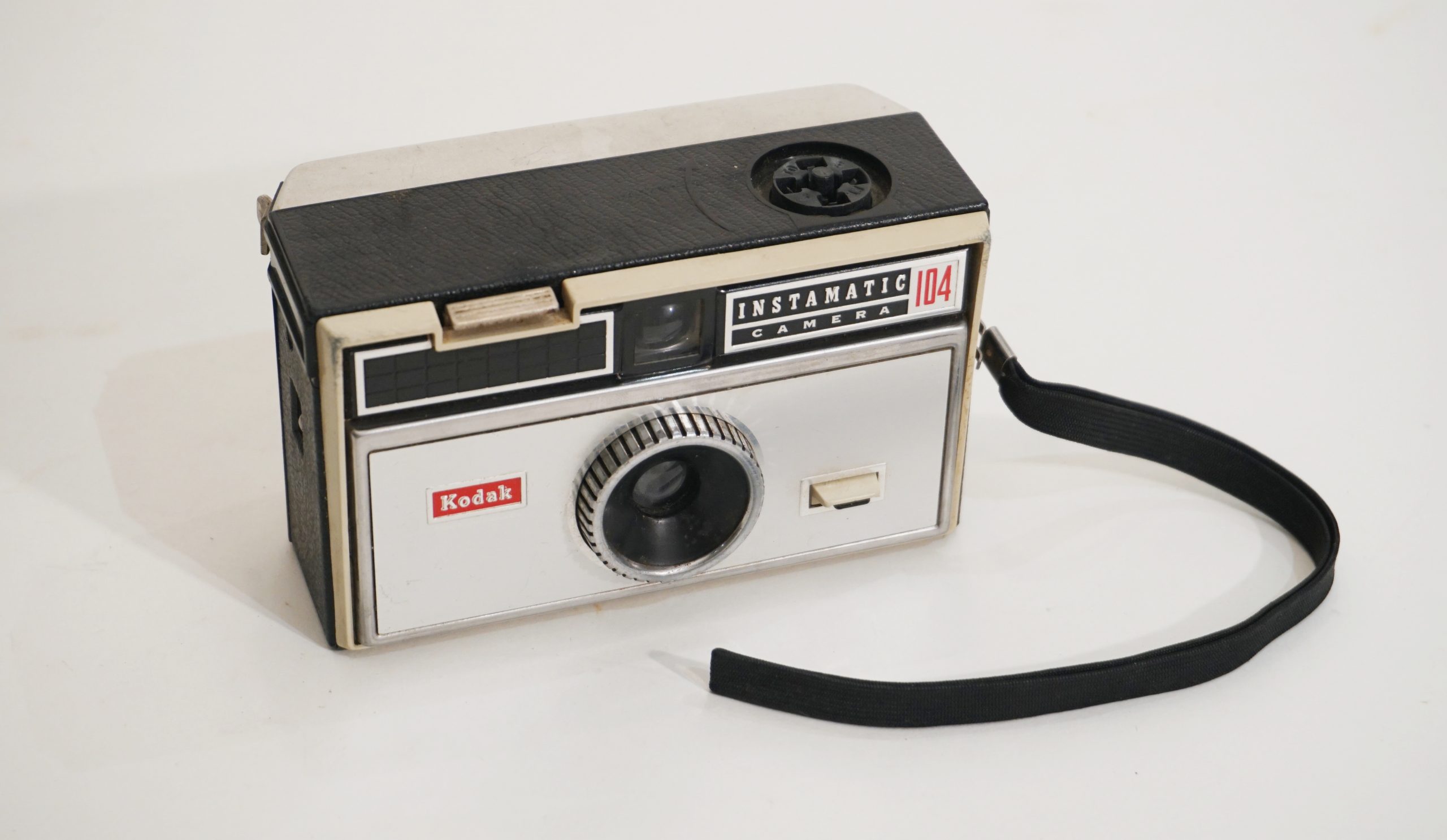
Kodak Instamatic 104 Camera. Made in USA. 1963.
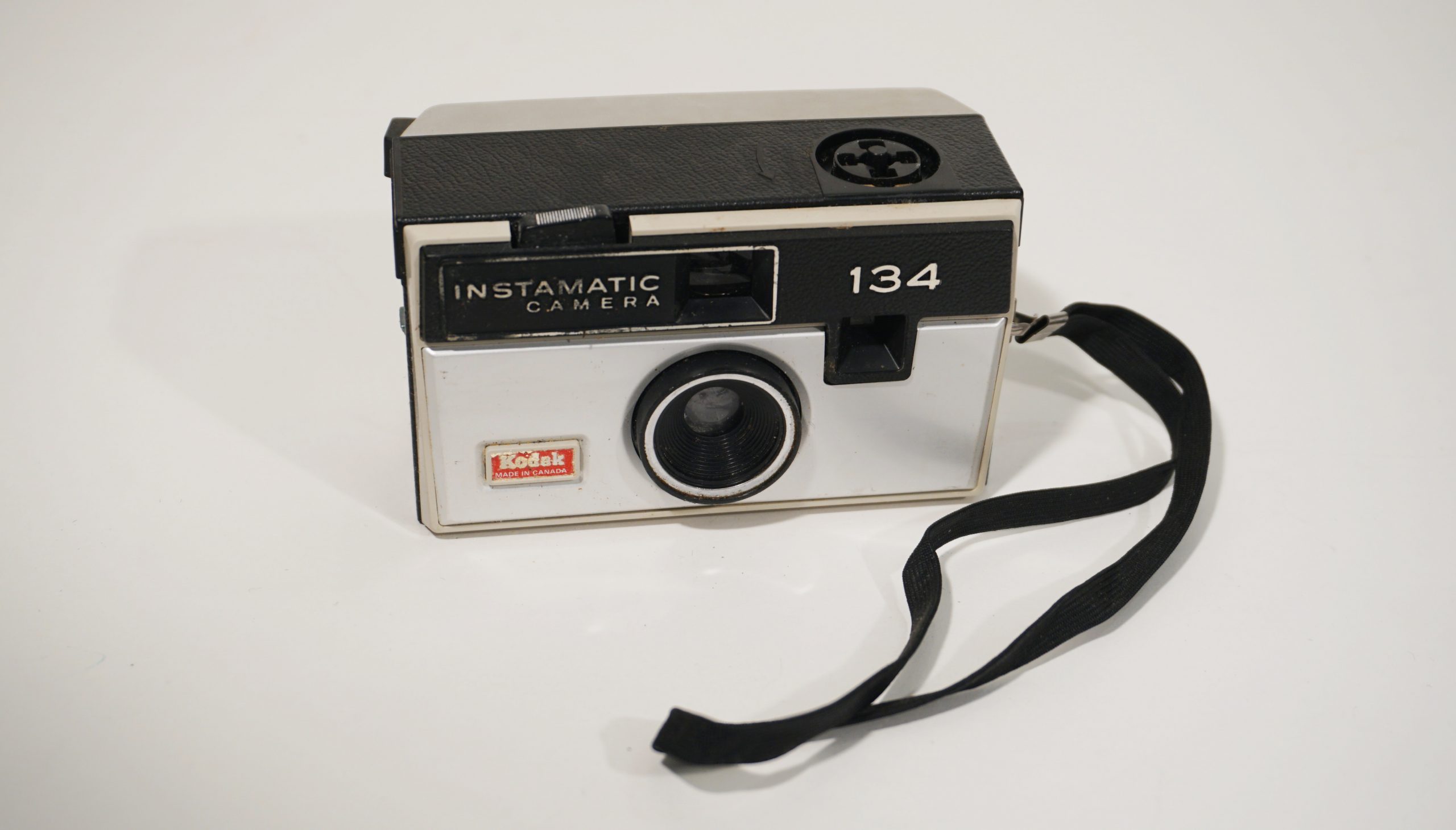
Kodak Instamatic 134 Camera. Made in Canada. 1968.
The 1960s saw an unprecedented prosperity. The 1967 “Points System” made Canadian immigration less discriminatory. Mississauga attracted people from across Asia, the Caribbean, Latin America, and Africa. Population rose to 107,000 by 1969. Such an era of success ushered in consumer goods for all, including cheaply made cameras for the whole family.
1967 was also Canada’s Centennial marked by many celebrations, most notably at Montreal’s Expo ’67. It was an exciting time. In 1968, the Toronto Township became the Town of Mississauga. The name, honouring the Mississaugas of the Credit First Nation, was chosen from thousands of suggestions.
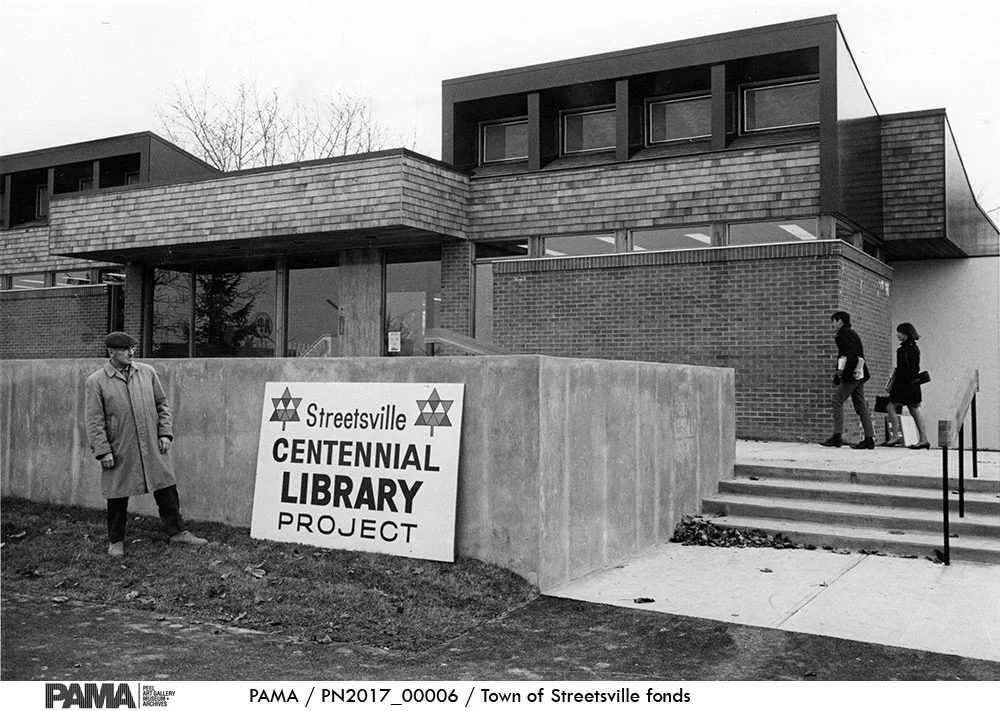
Streetsville Library was a Centennial project, 1967.
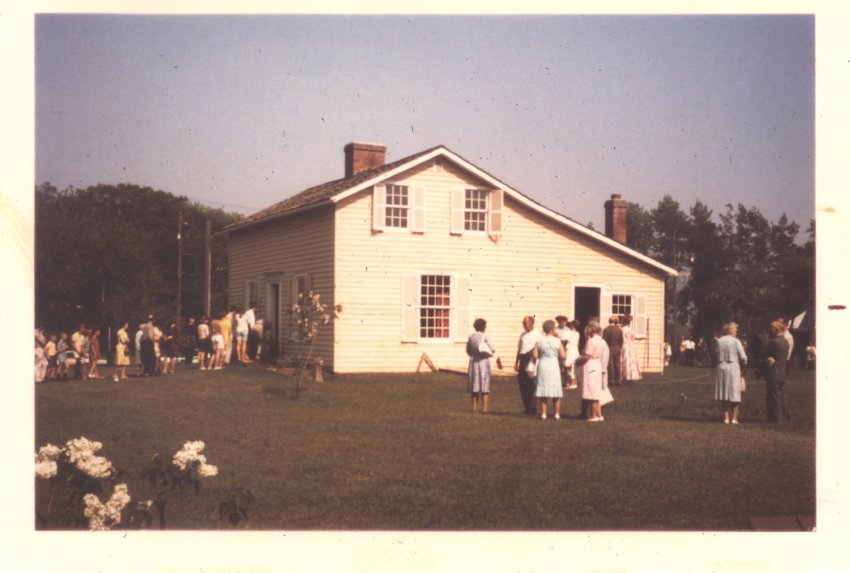
Opening of Bradley Museum was a Centennial project, 1967.
1970s
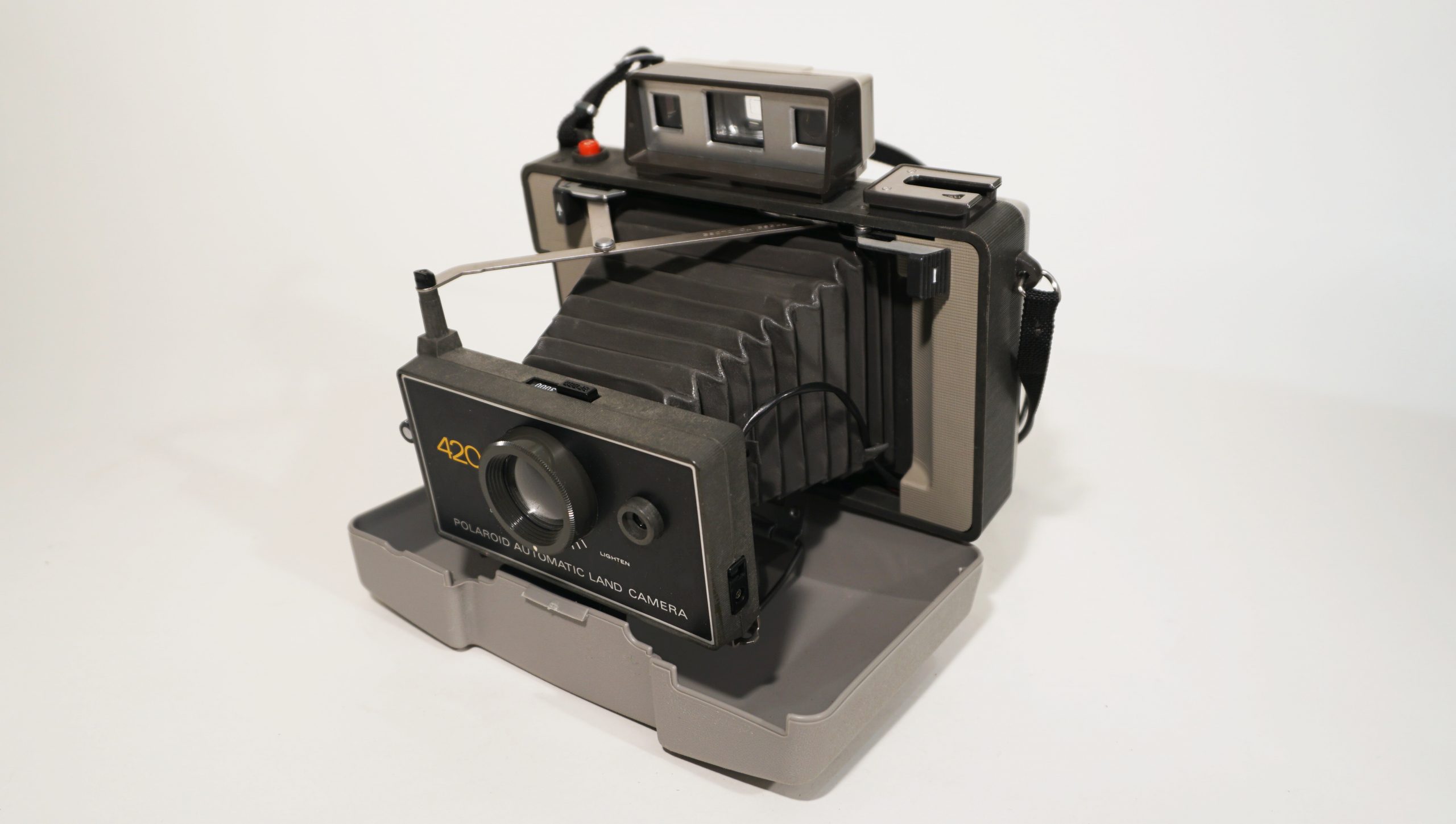
Polaroid Land camera of model 420 Camera. Made in USA. 1971.
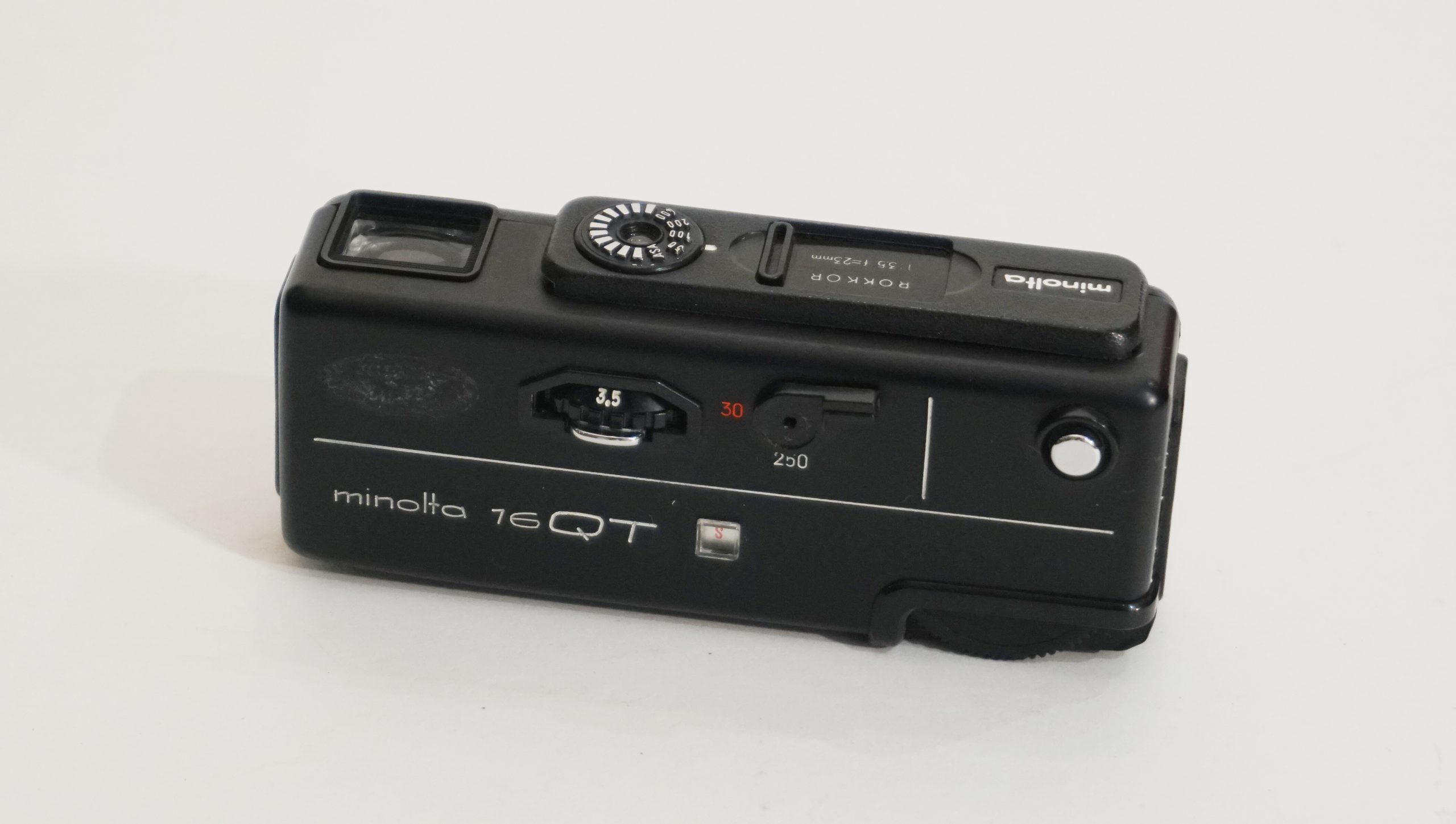
Minolta 16 QT Camera. Made in Japan. 1972.
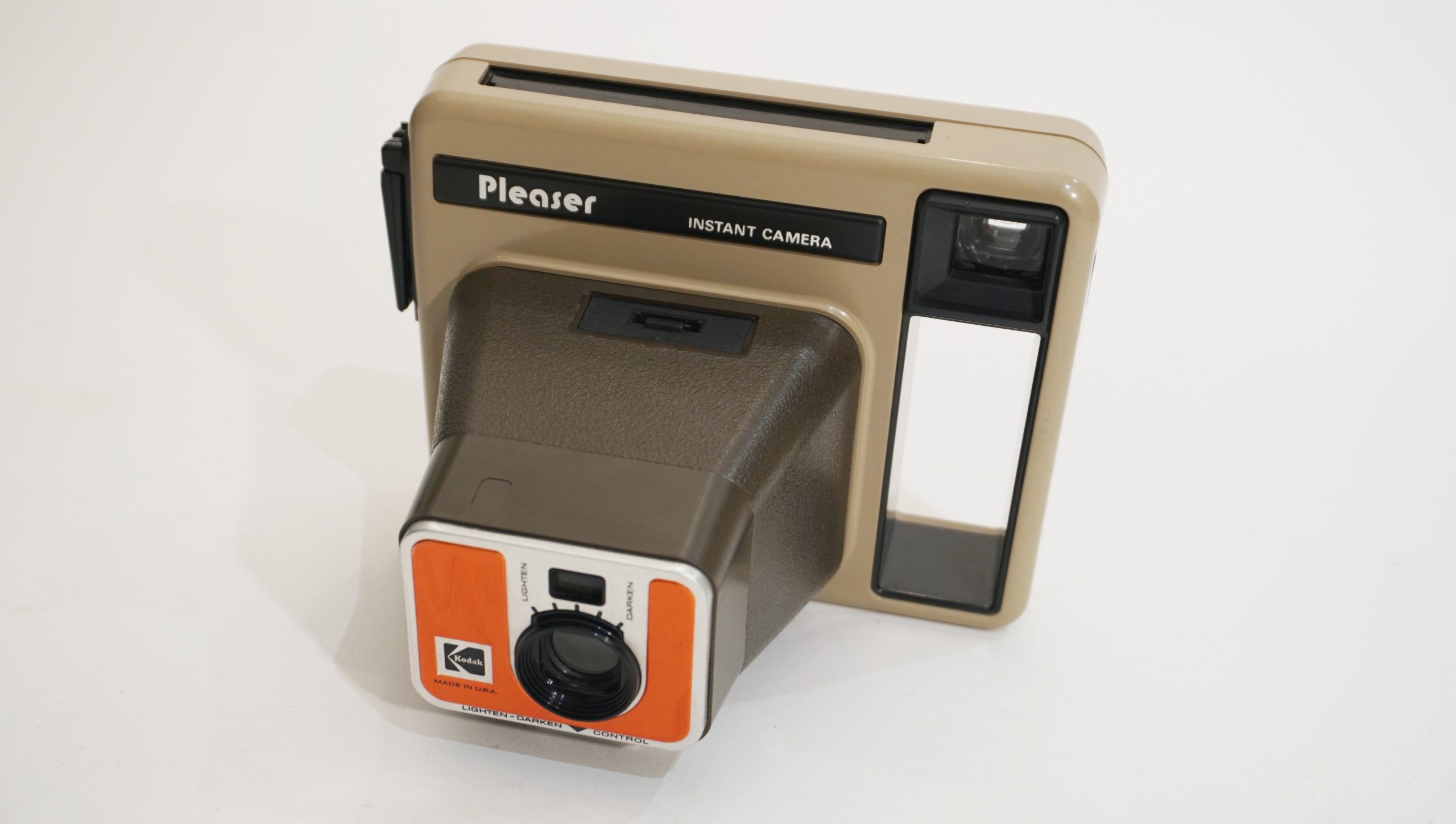
Kodak Pleaser Instant Camera. Made in USA. 1977.
In the 1970s, new long focal length lenses allowed paparazzi to take recognizable images from as far away as 1.5 km. What might Mississauga photographers have captured?
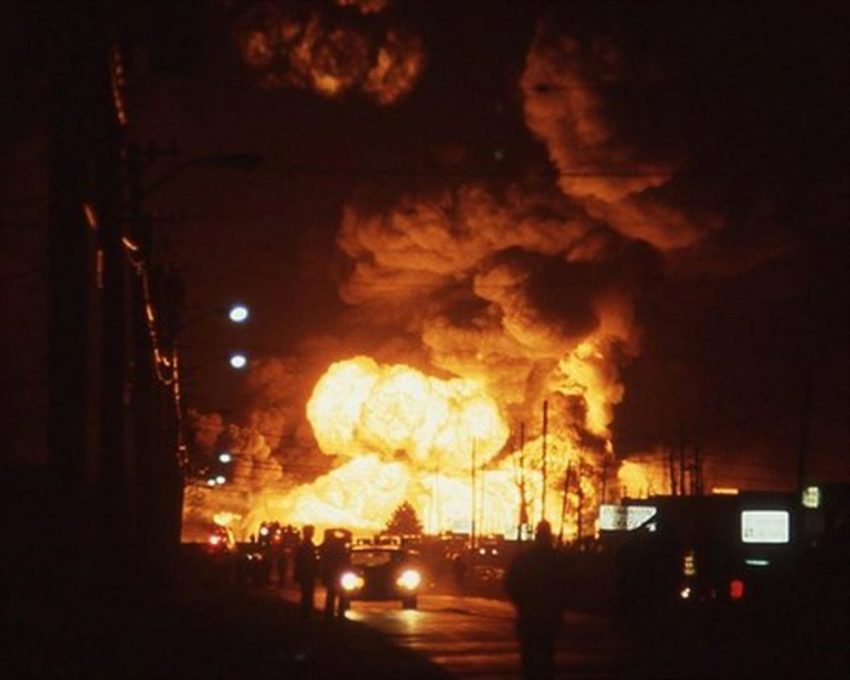
In 1979, Hazel McCallion was in her first term as mayor of Mississauga. She gained national recognition for her management of the mass evacuation of 220,000 residents, after a freight train derailed carrying dangerous chemicals. When the danger was neutralized without a single life lost the incident was called the “Mississauga Miracle”!
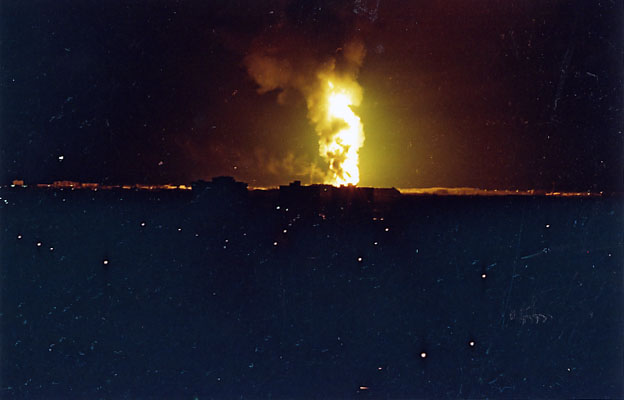
Photo of the Train Derailment explosion, taken just minutes after the accident from balcony in Cooksville, 1979.
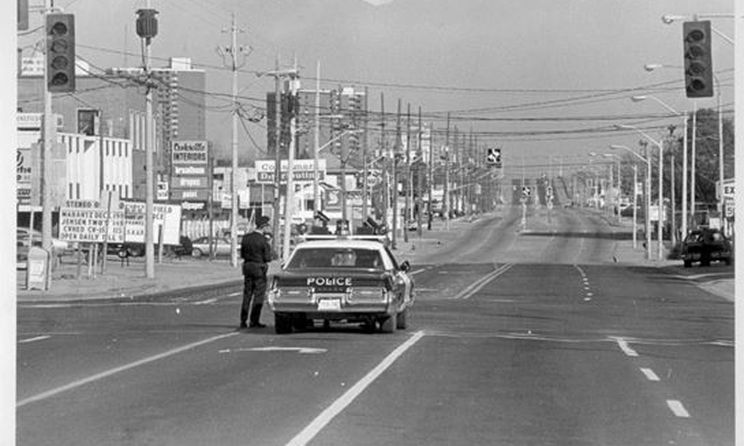
In the largest peace time evacuation at the time, this photo shows a deserted street during the evacuation, 1979.
1980s
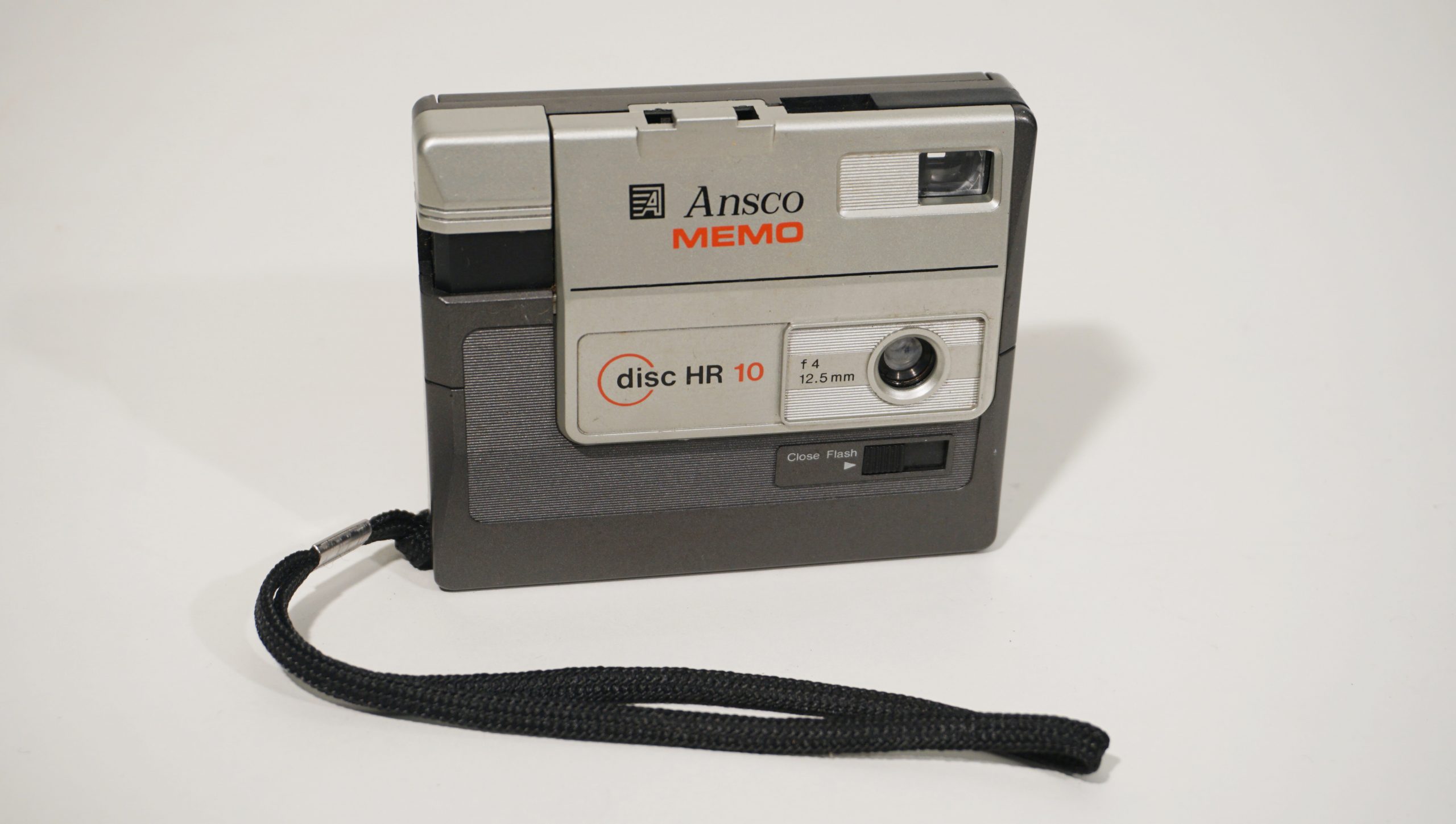
Ansco Memo disc HR 10 Camera. Made in Taiwan. 1986.
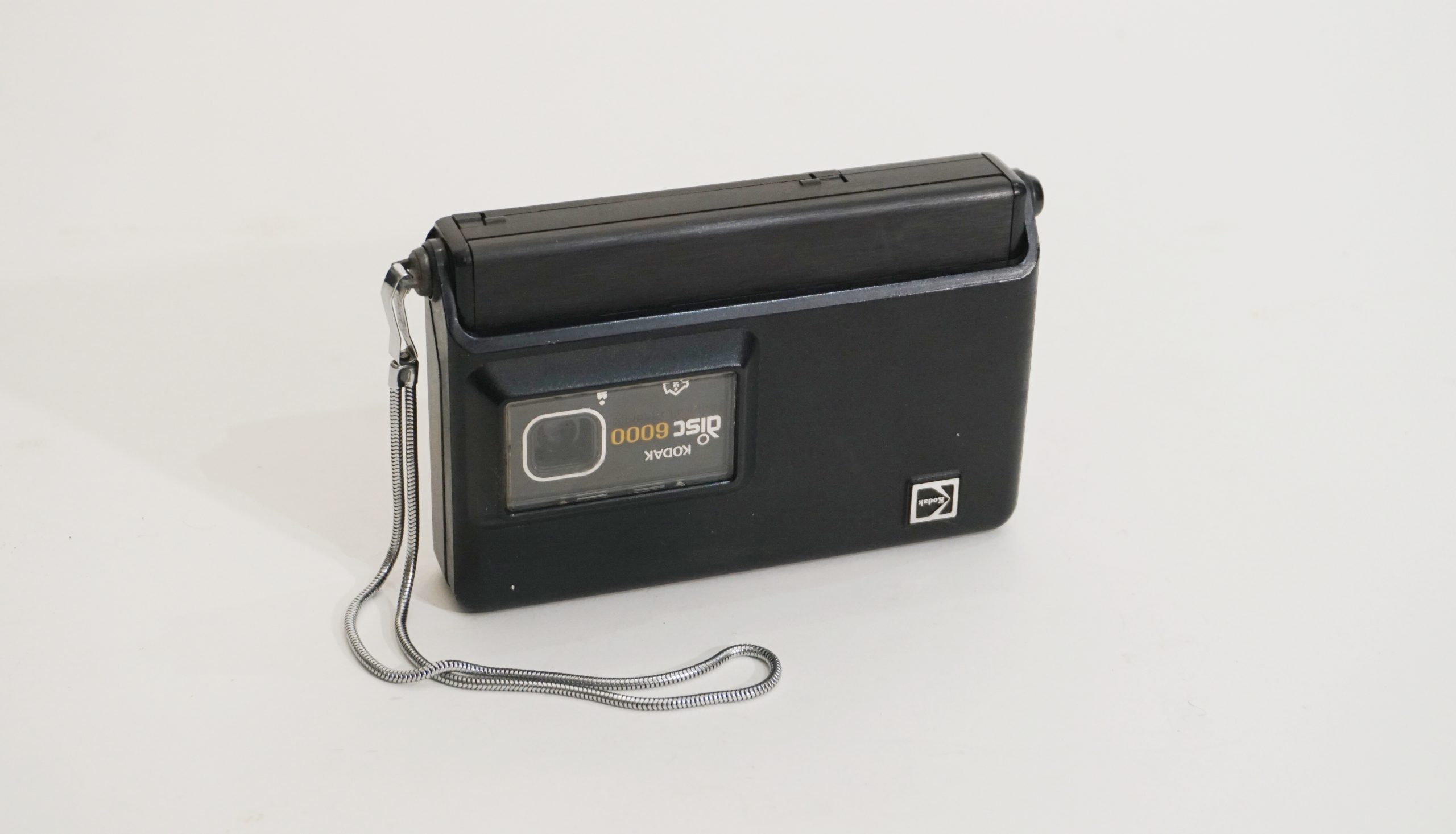
Kodak Disc 6000 Appareil Camera. Made in USA.1982.
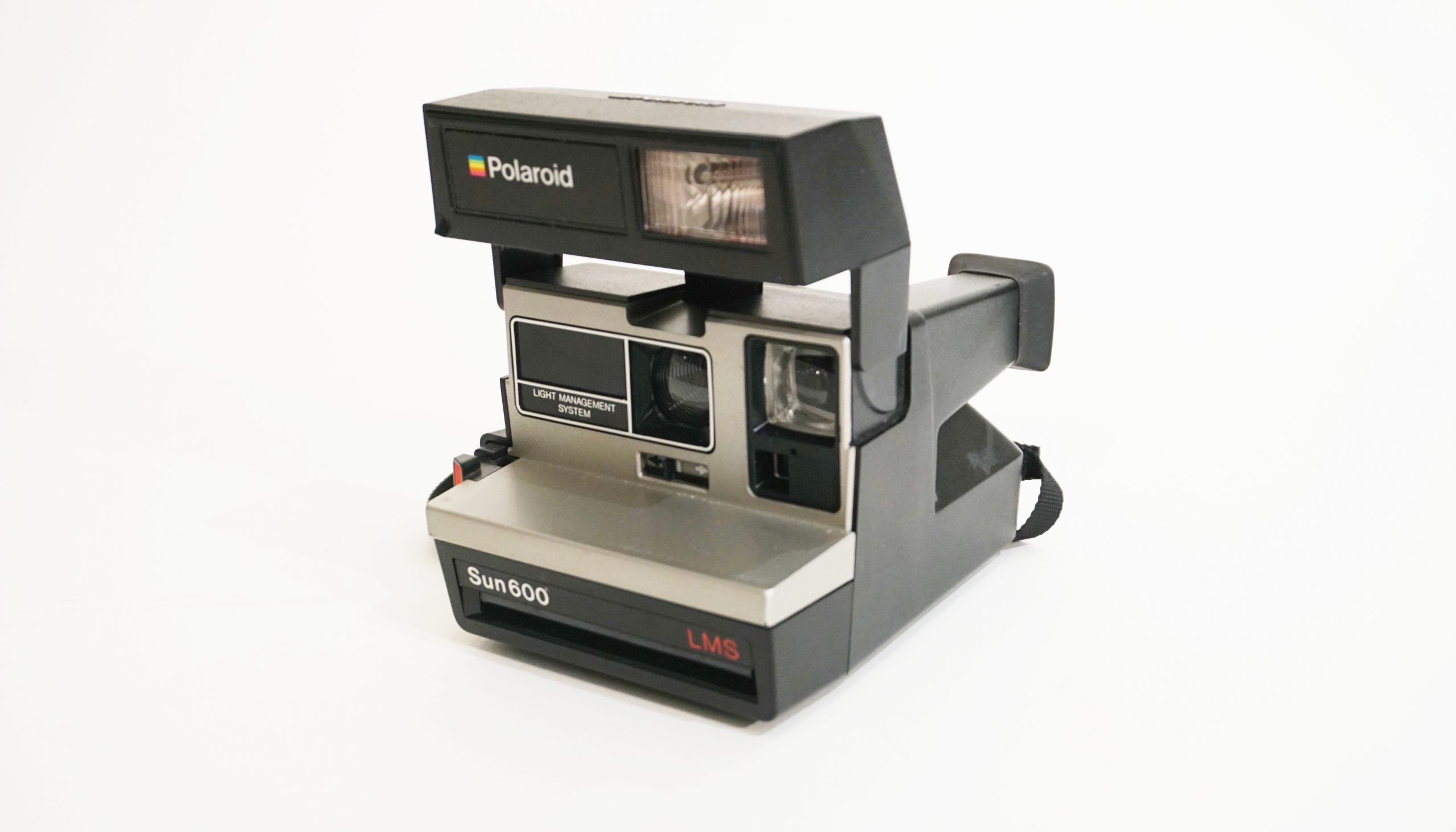
Polaroid Sun 600 LMS Instant Camera. Made in USA. 1983.
Want to be an amateur photographer? Well, the 1980s were for you. Professional equipment at low prices made it easier to take quality pictures.
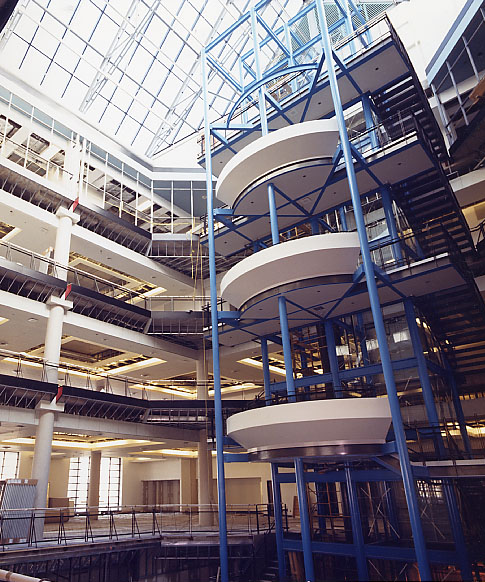
In Mississauga, the 1980s brought changes that no camera lens could ignore. This was a period of mass development for Mississauga as farmlands disappeared, replaced with sprawling subdivisions. Some saw the changes as innovation and others as dizzyingly fast. By the mid ’80s more than six thousand building permits a year were being issued. Mississauga was becoming known as a city of sprawl.
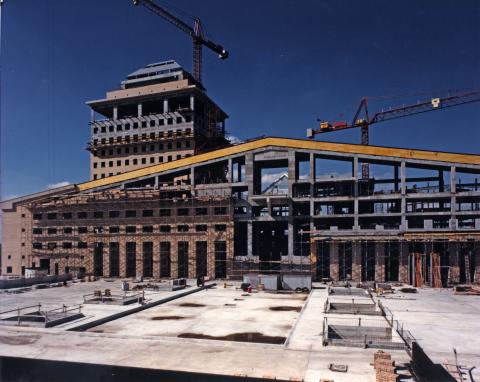
Mississauga's Civic Center under construction. It was completed in 1987.
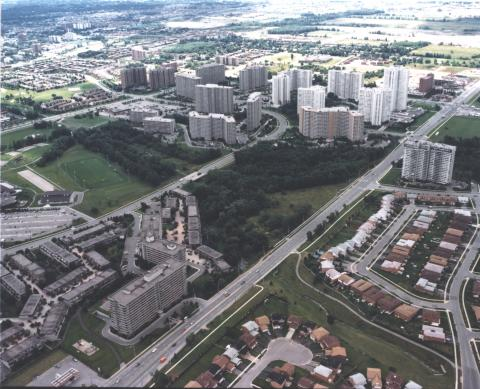
Burnhamthorpe Rd and Hurontario St, 1985.
1990s
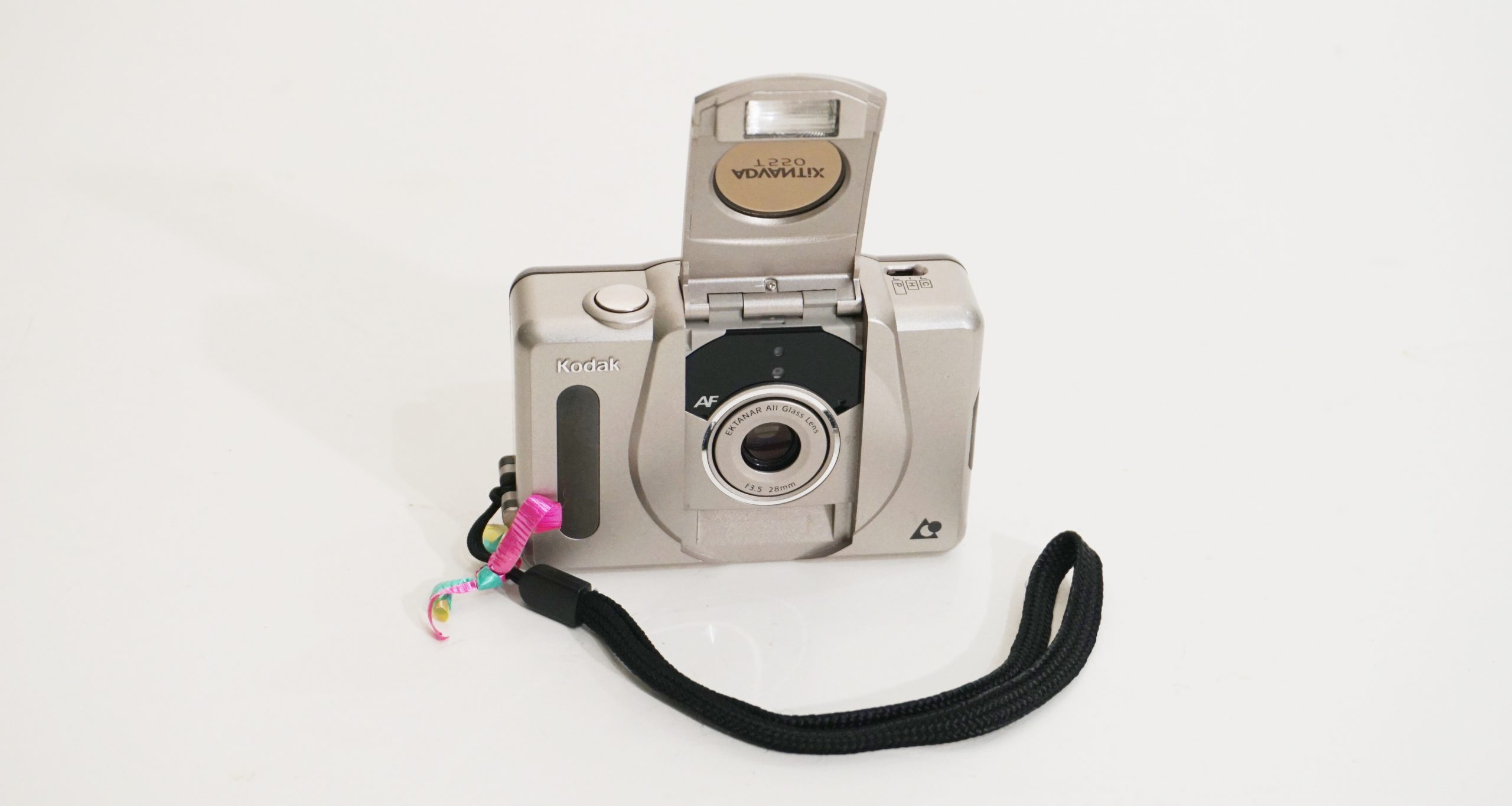
Kodak ADVANTiX T550 Compact Camera. Made in USA. 1999.
The 1990s ushered in the digital age. Sales of film cameras declined almost immediately. Images were digitized and stored on the go, ready for processing, viewing, or printing instantly. This convenience and ease would become the future.
The Mississauga of the past, dominated by farmsteads, was no longer. The city grew exponentially between 1996 and 2001. The city’s workforce doubled, and Mississauga was no longer simply a sleepy bedroom community of Toronto. Today, we are Canada’s 7th largest city!
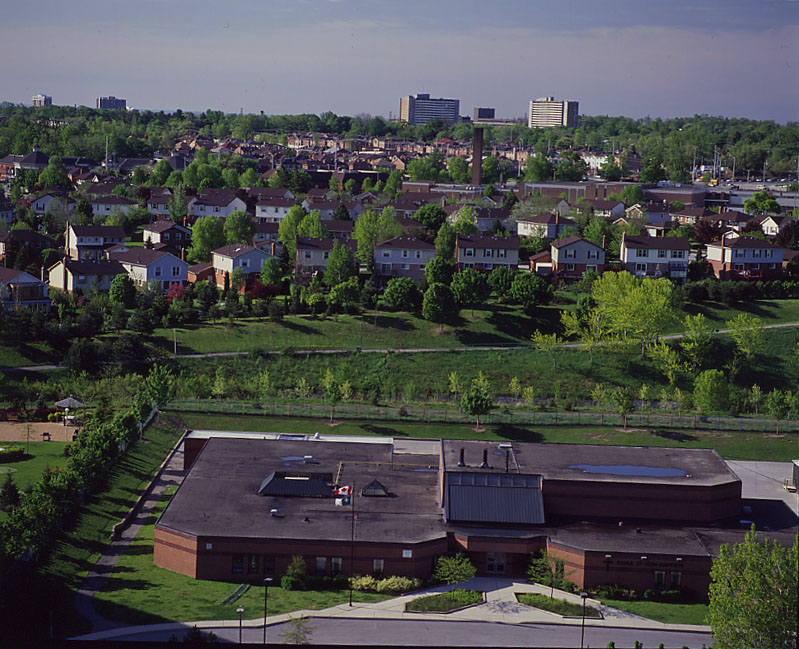
Aerial view of Erindale, 1990.
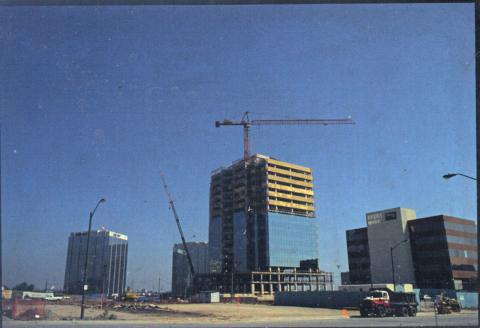
Construction of City Centre plaza, 1990.
New Ways of Seeing
Mississauga’s growth has allowed us to recognize our own identity and direction. Through each click of the camera, we witness our ever-changing history.
What historic events might you capture next?