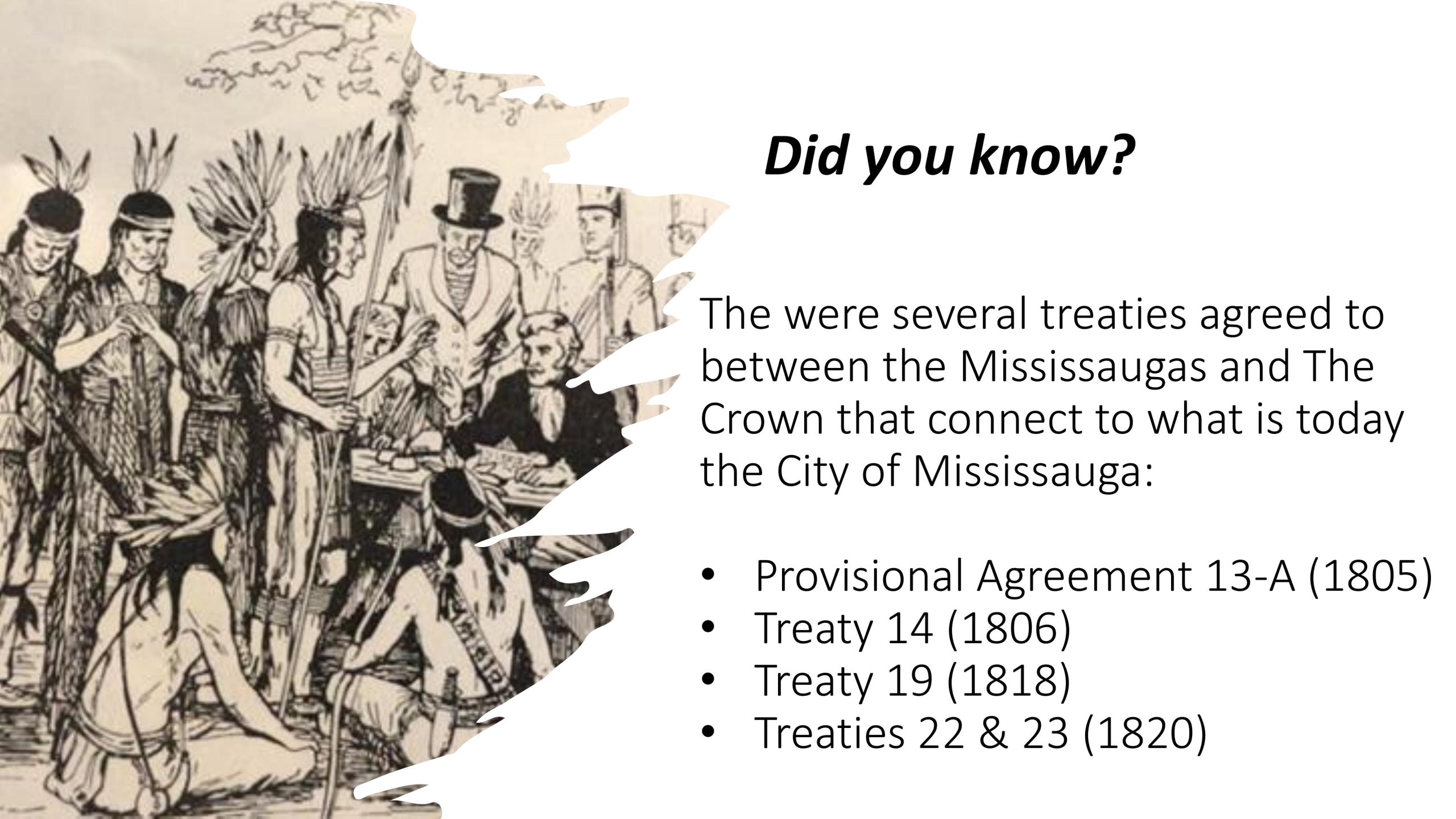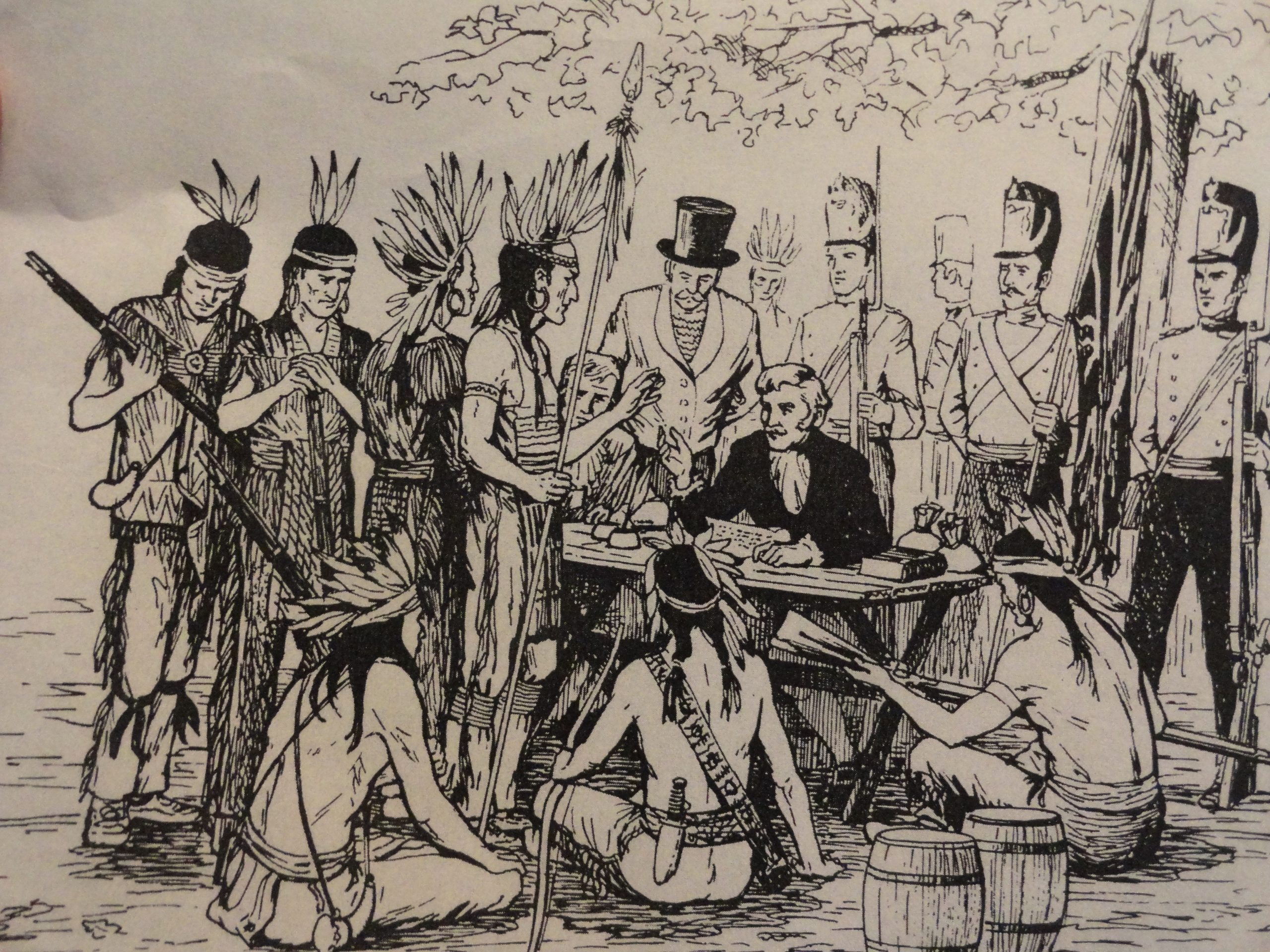
Treaty Signing by C.W. Jefferys
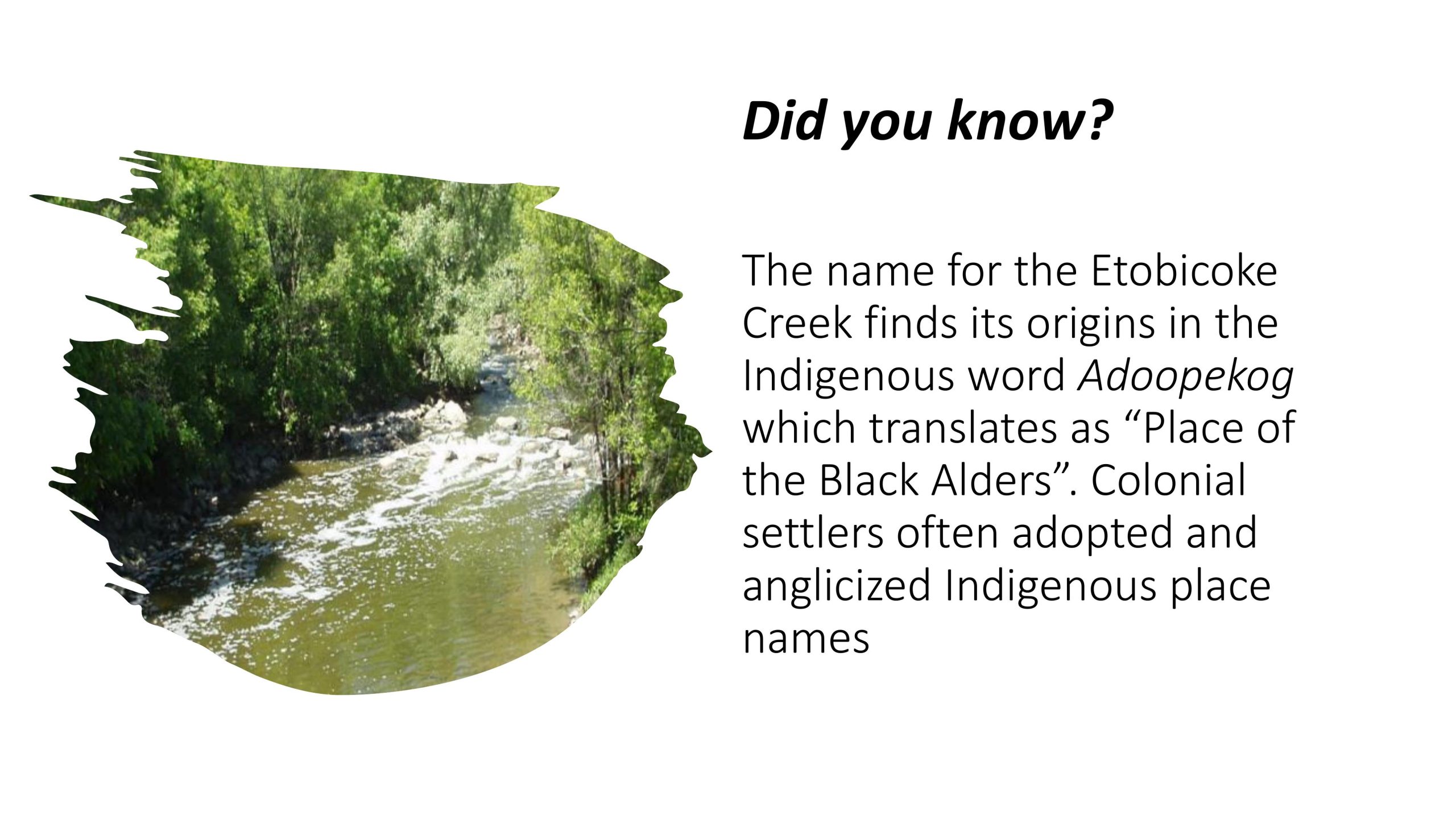
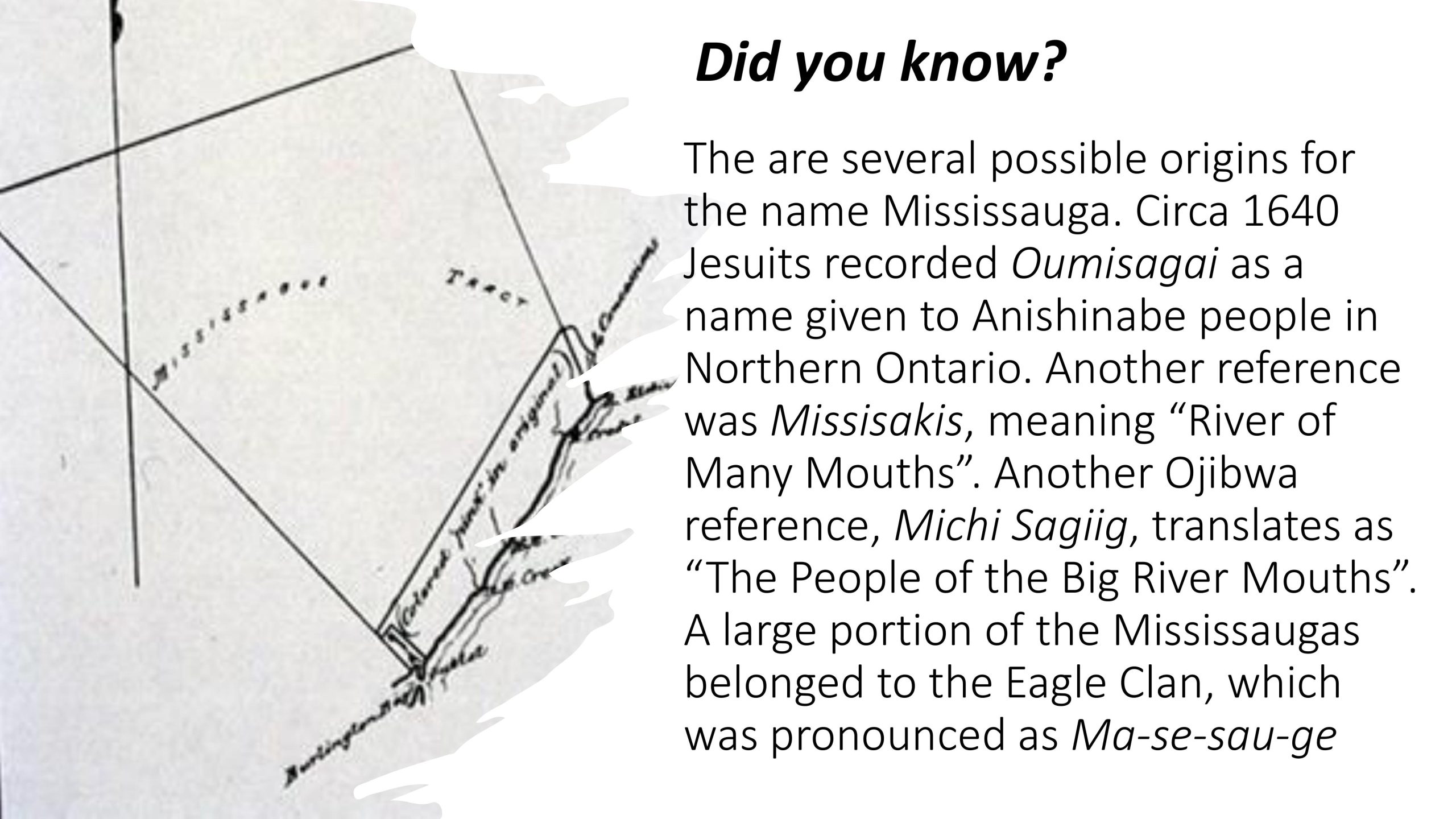
During the American Revolution, the British Crown began purchasing large tracts of land for the incoming Loyalists. The first land purchase involving the British Crown and the Mississauga Nation was in 1781. By 1800, all that remained of the Mississauga’s territory was the “Mississauga Tract” which covered the land, from Etobicoke Creek to Burlington Bay.
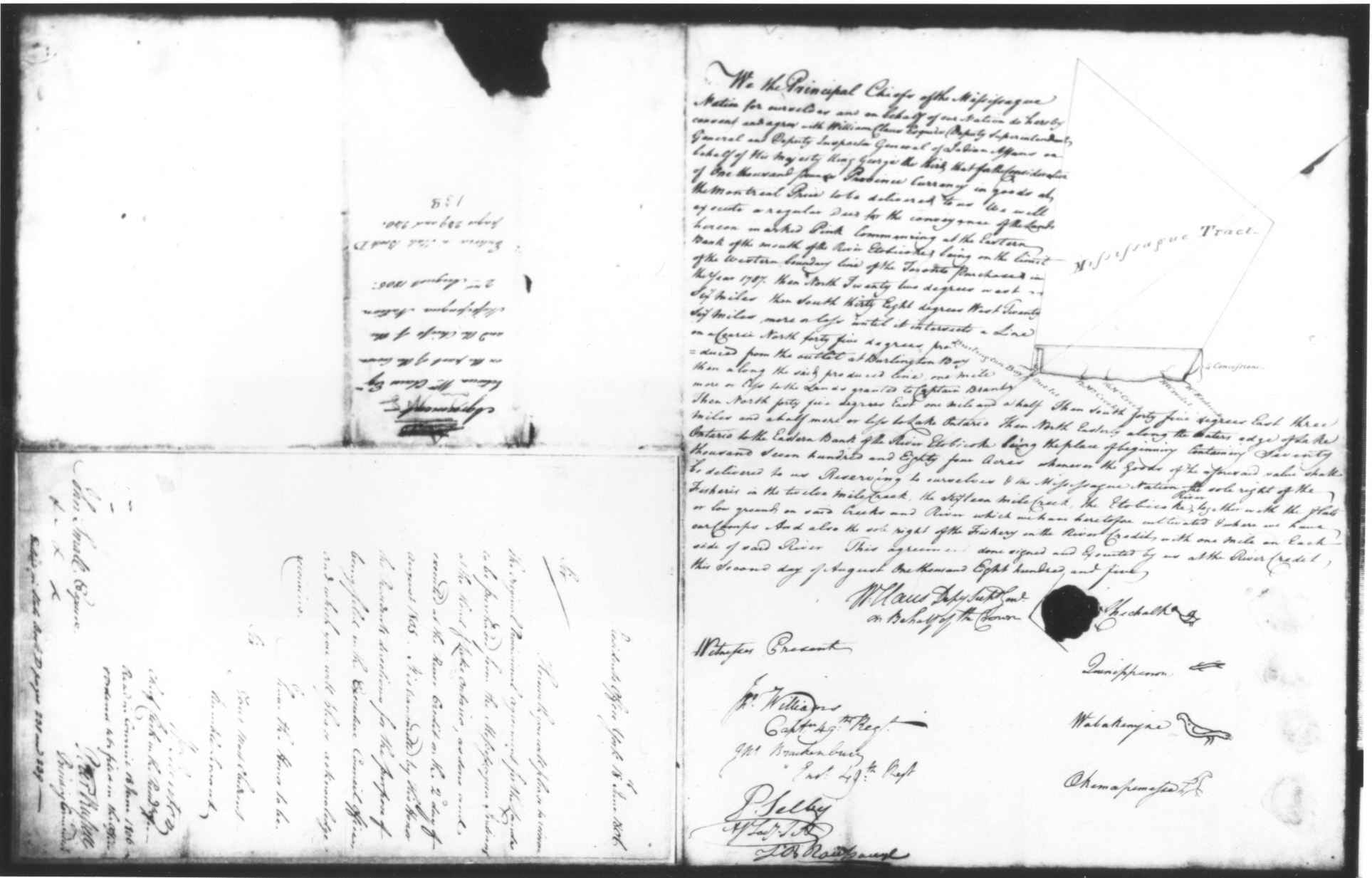
Provisional Agreement 13-A
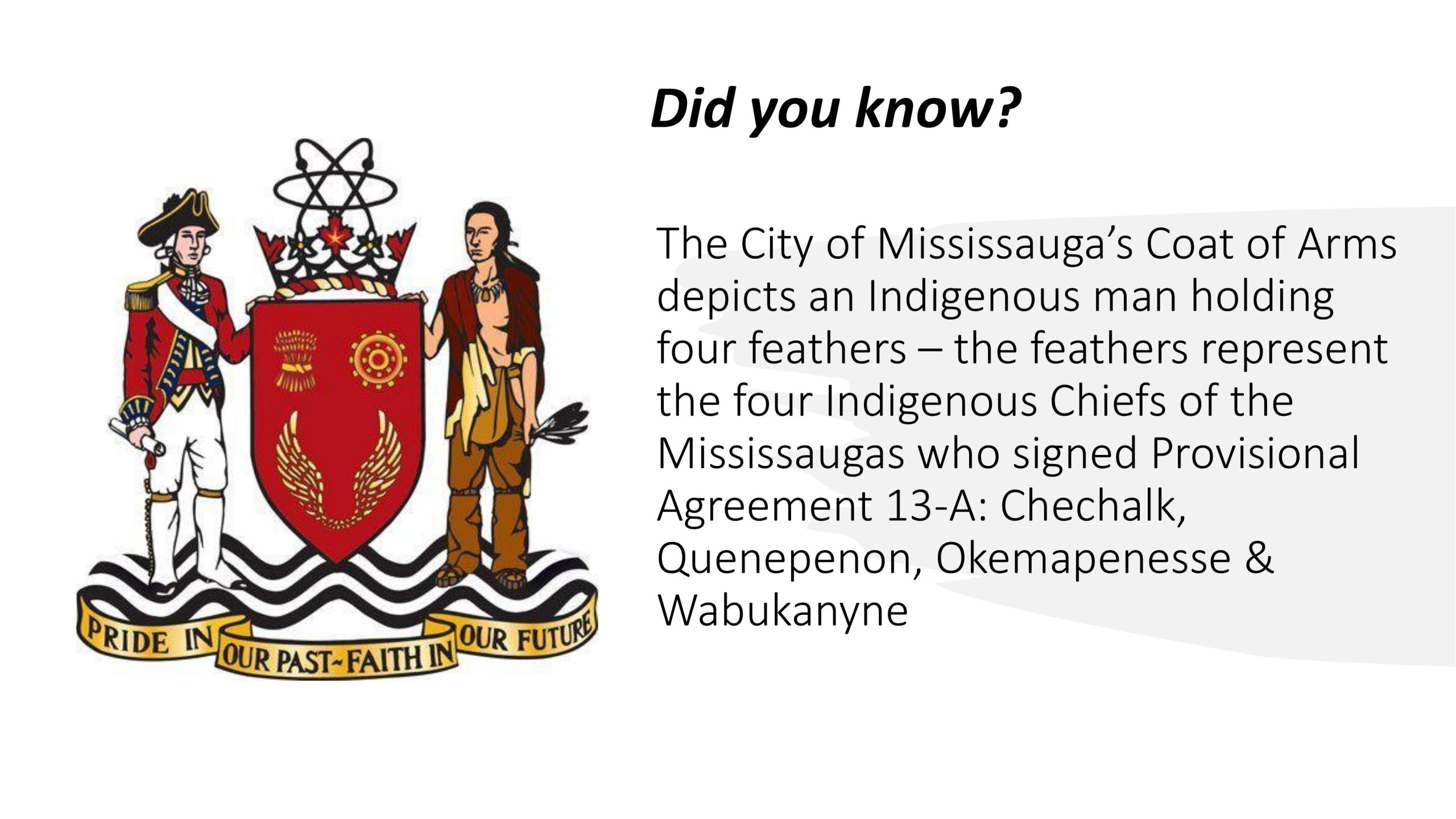
In 1805, the British began negotiations for that last tract of Mississauga land. On August 2, 1805, the Mississauga and the British Crown signed Provisional Agreement 13-A, commonly referred to as the First Purchase. The British acquired a strip of land, from the Etobicoke Creek west, to Burlington Bay north six miles to modern day Eglinton Avenue. This became the Township of Toronto (now the City of Mississauga).
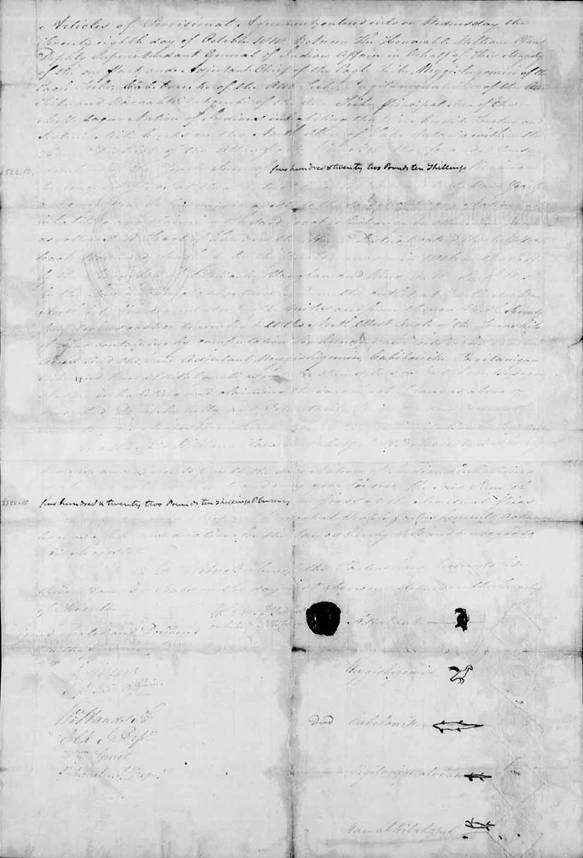
Treaty 19, signed 1818
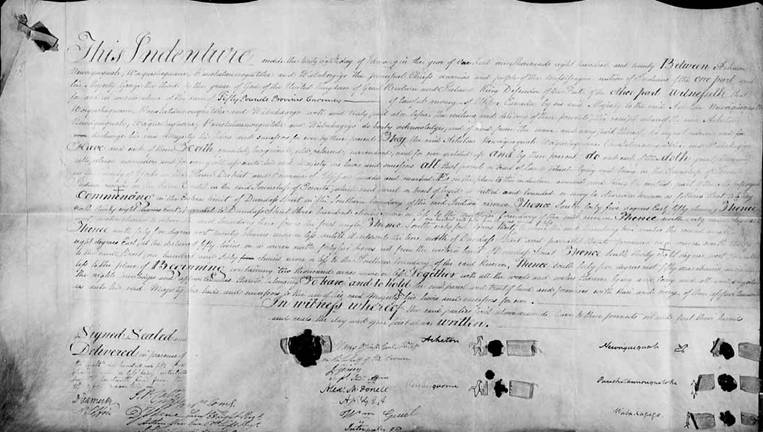
Treaty 22, signed 1820
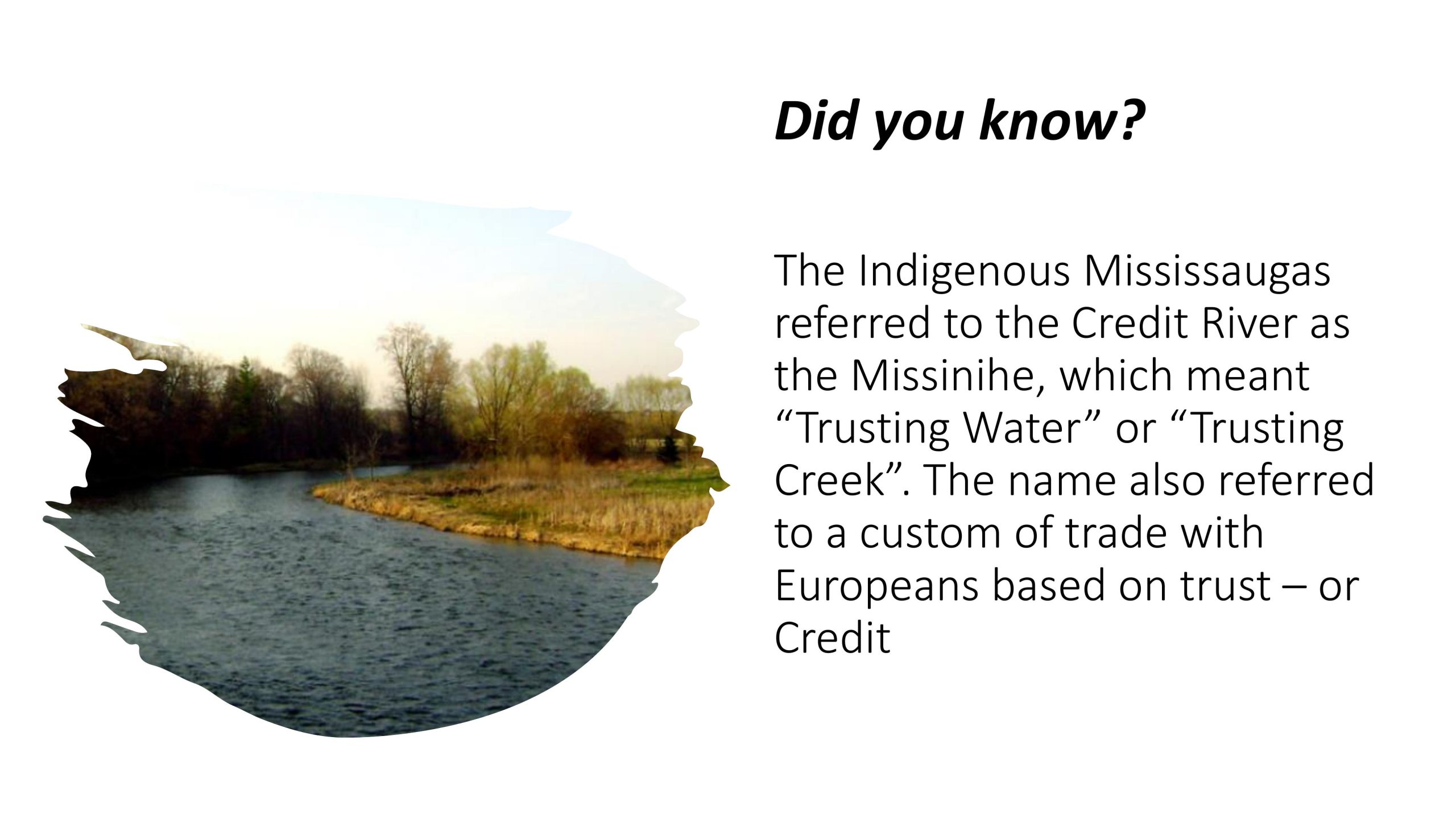
The Mississauga kept one mile on either side of the Credit River, the land on either side of the Twelve and Sixteen Mile Creeks, and the interior of the “Mississauga Tract” north of Eglinton Avenue. The fact that they retained the interior of the “Tract” enabled them to preserve their traditional means of subsistence. On October 28, 1818, the British Crown and the Mississauga First Nation signed Treaty 19. In this treaty, the British acquired the rest of the “Mississauga Tract” which was the land north of modern day Eglinton Avenue. This area included the “New Survey” in Township of Toronto (now the City of Mississauga) and would include the villages of Streetsville, Malton and Meadowvale. The Mississauga now only retained the three portions of land on the Credit River, and the Twelve Mile and Sixteen Mile Creeks.
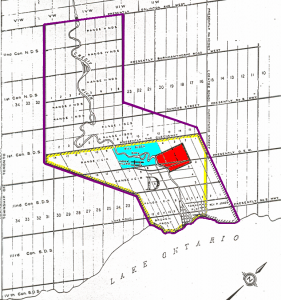
Legend:
PURPLE
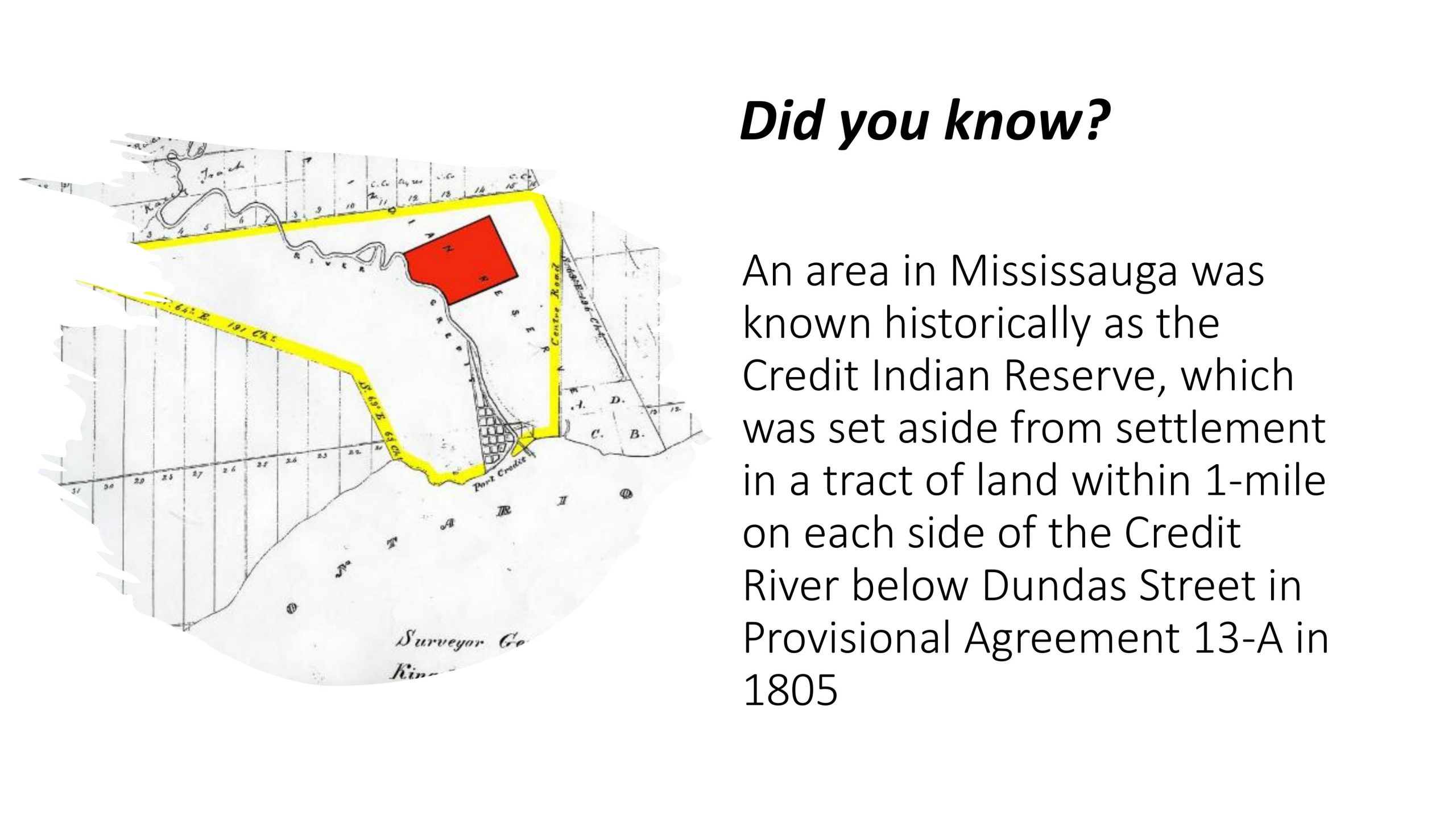
- One-mile tract on each side of the Credit River reserved by the Native Mississaugas in Provisional Agreement 13-A, signed on August 2, 1805 (Ratified with Treaty 14).
The Mississauga fought to keep their land on the Credit River, and the Sixteen and Twelve Mile Creeks but two years later, the Government negotiated for those lands as well. The recent settlers in the area wanted access to the creeks and river to establish mills in the area. On February 28th, 1820, Treaties 22 and 23 were signed. The Mississauga retained only two hundred acres on the east side of the Credit River. The ‘two hundred acres’ was never surrendered and became a land claim in the 1980s, for which the Mississauga received twelve or thirteen million dollars.

Legend of the Credit Mission
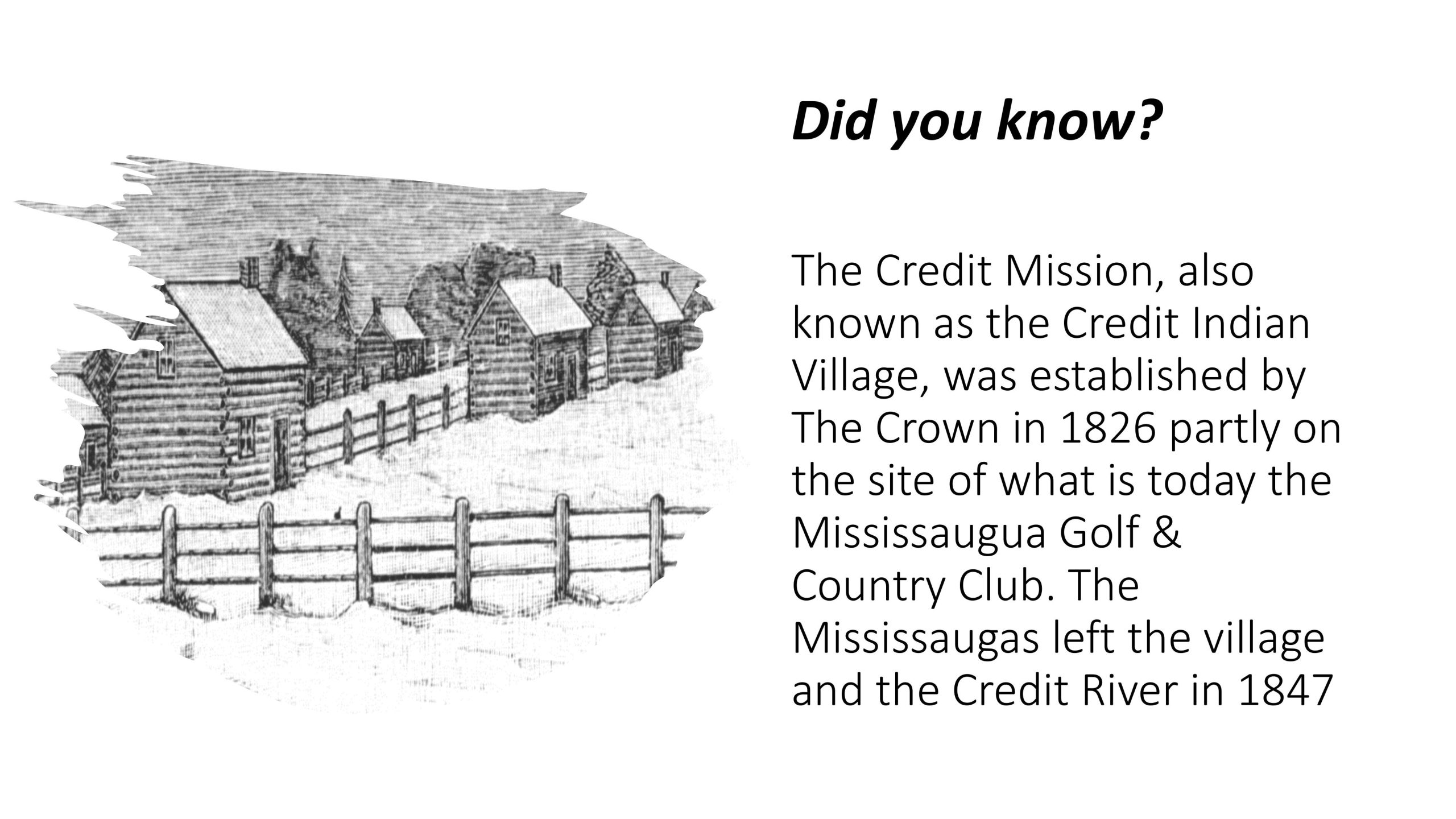
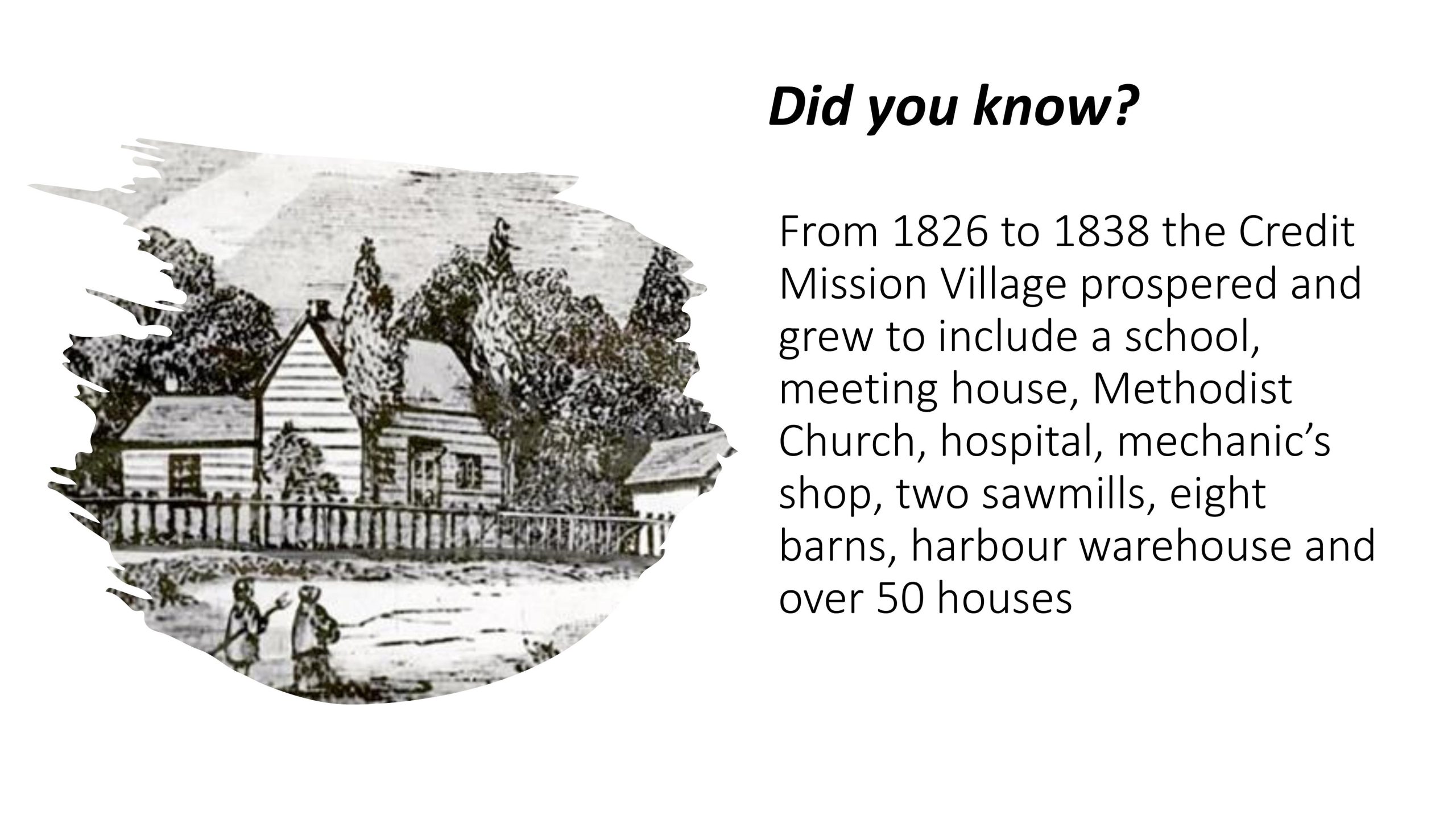
The Credit Mission, also known as the Credit Indian Village, was partly located on the site of what is now the Mississaugua Golf and Country Club. The Credit Mission was part of the Government’s plan to assimilate and settle the Mississaugas of the Credit in one area and to allow for settlement on the surrounding lands...
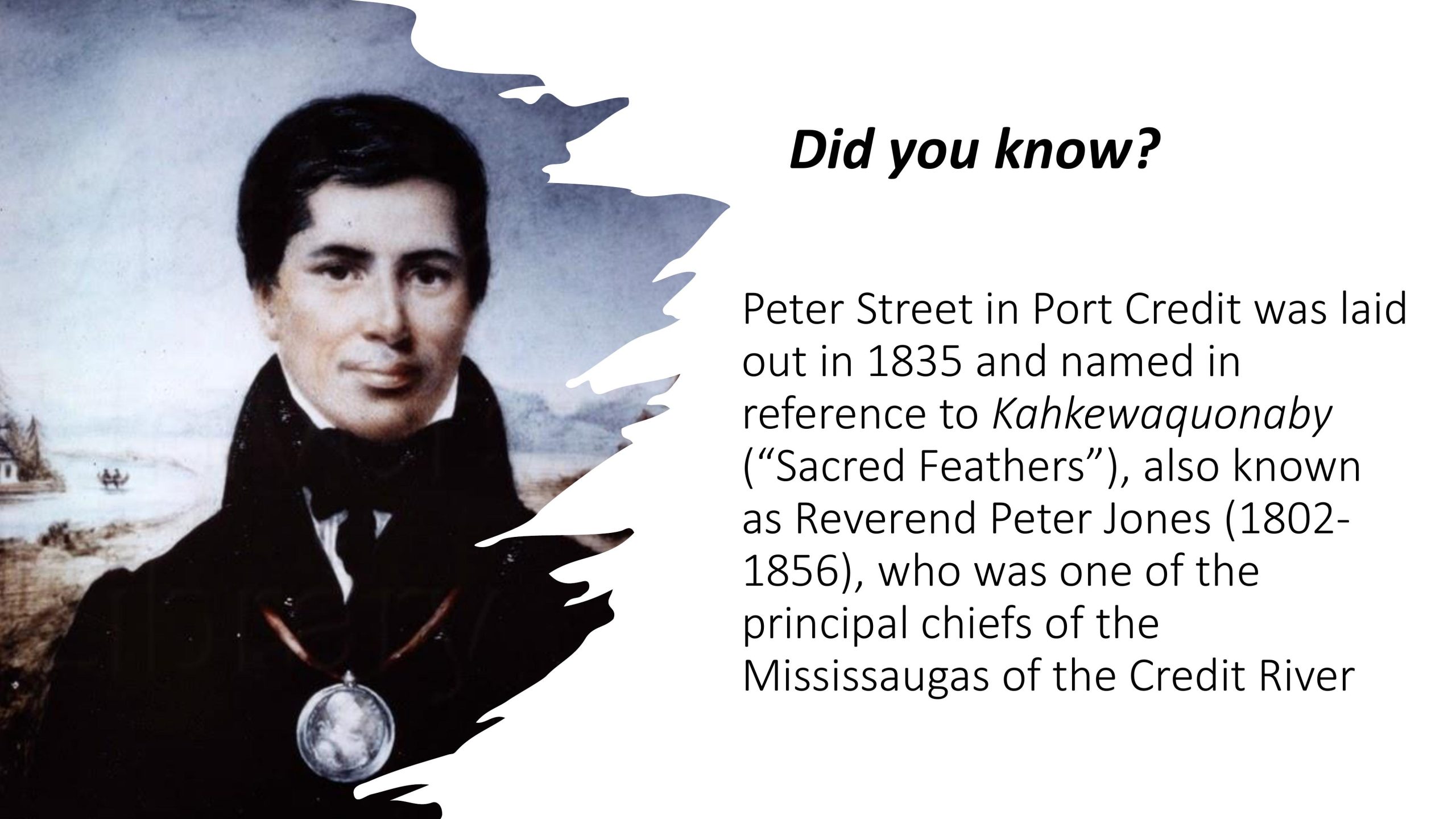
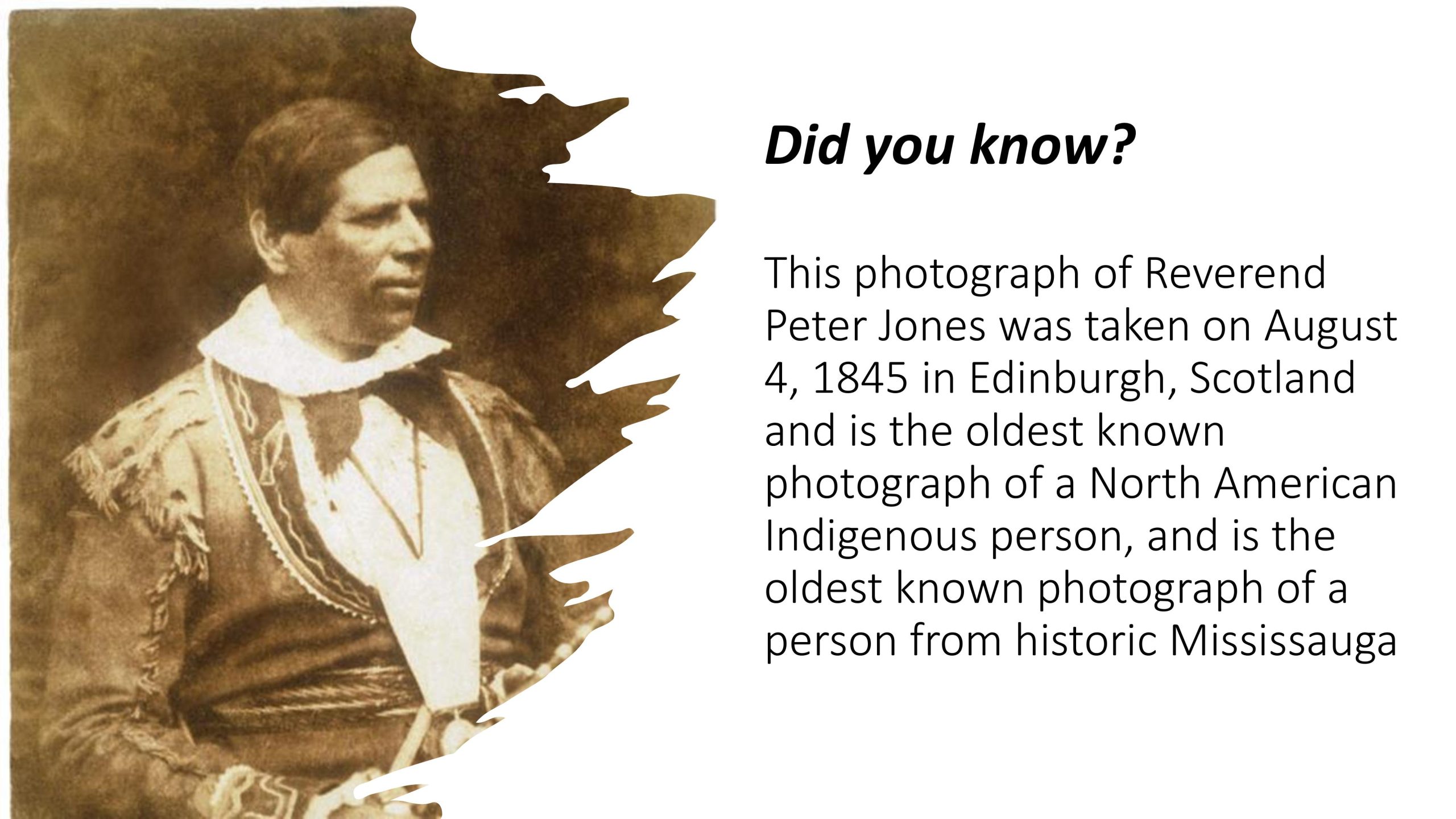
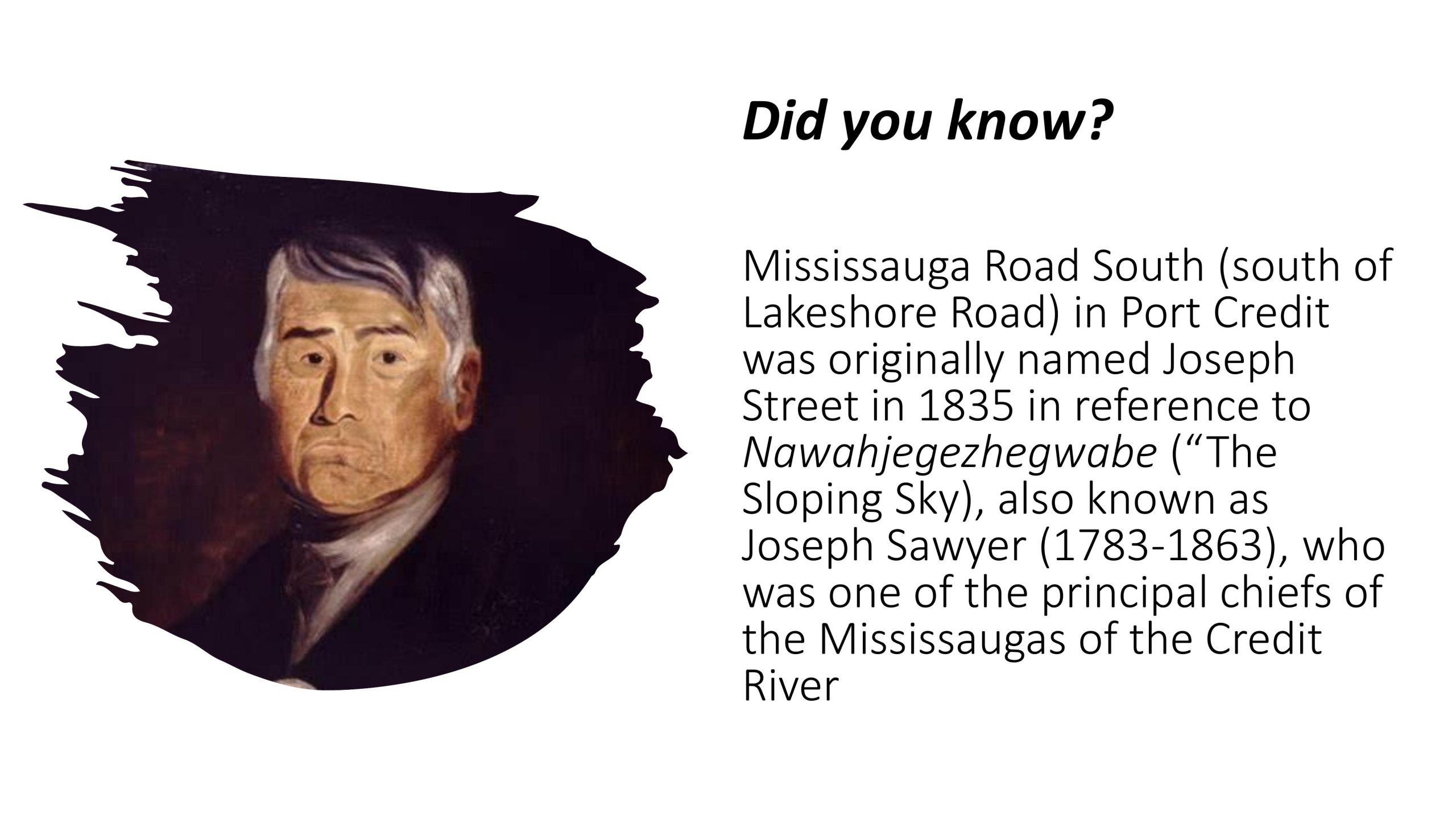
In the early 1820s, both the government and the Mississauga themselves, believed they would soon be extinct. In 1825, the Mississauga living on the Credit River gained support in their dealings with the government, when Peter Jones arrived at the Credit River. In late 1825, the Government agreed to build the Mississaugas a village near the Credit River. The site of the village would have been on Mississauga Road where the Mississaugua Golf and Country Club is today and became known as the Credit Mission. As early as 1840, the Mississauga decided to leave the Credit River. In 1847, the Mississauga of the Credit River left for the Six Nations Reserve and established the New Credit Reserve in Hagersville.
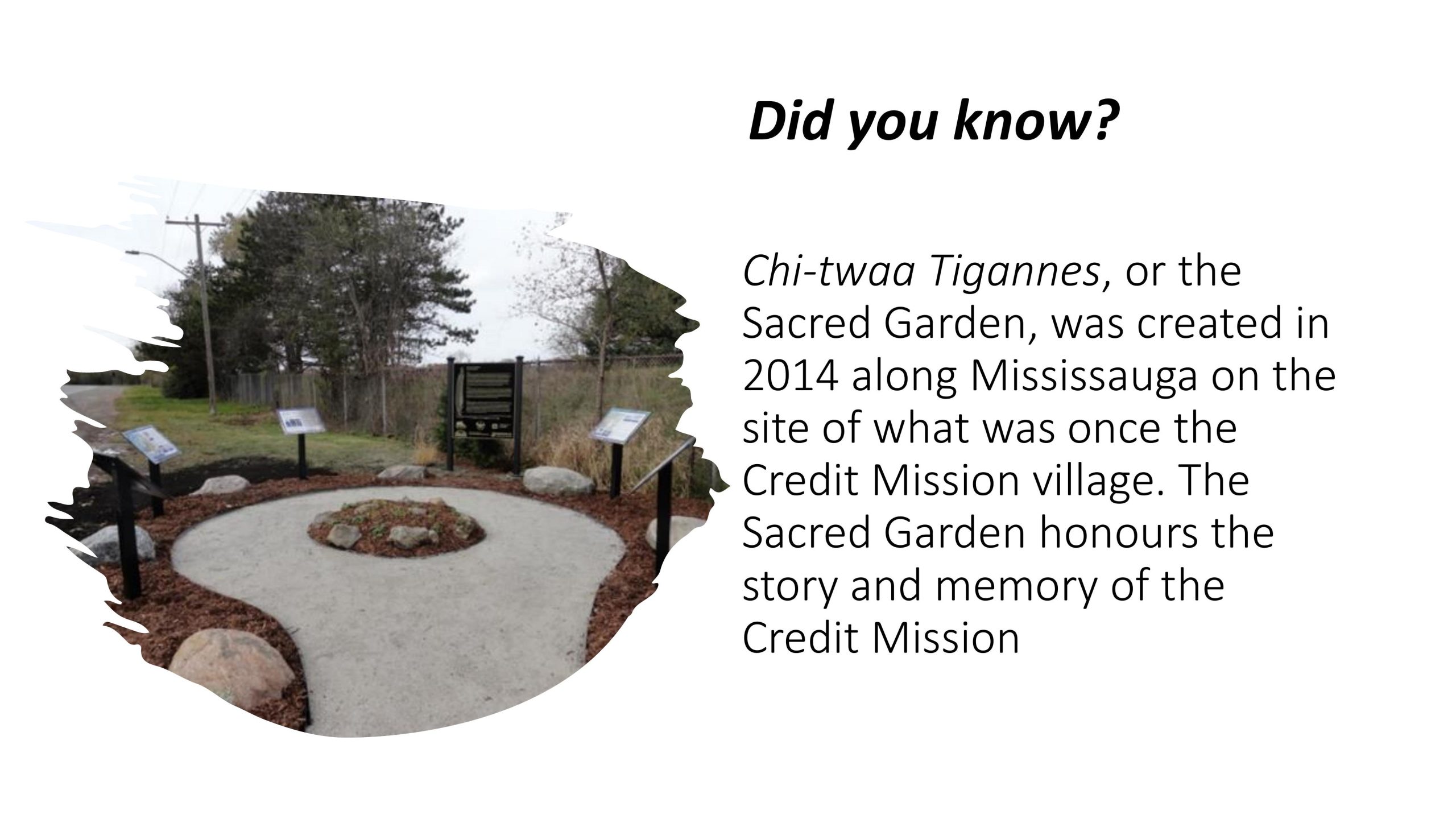
Today the Mississaugas of the New Credit First Nation celebrate a vibrant and resurgent culture with strong ties to their ancestral home along the Credit River and what is today the City of Mississauga.